Gynecomastia Reduction (Male Breast Reduction) Philadelphia & New Jersey
Gynecomastia, or enlargement of male breast tissue, is a common condition that affects men of all ages. It can result from hormonal fluctuations, certain medications, genetics, or lifestyle factors, and often leads to both physical discomfort and self-consciousness. For many men, excess chest fullness does not improve with exercise or weight loss alone.
At Becker Aesthetics & Plastic Surgery, board-certified plastic surgeon Dr. David W. Allison offers male breast reduction for patients throughout Philadelphia and New Jersey. This procedure restores flatter, firmer, and more masculine chest contours using advanced surgical techniques tailored to each patient’s anatomy and goals. Dr. Allison’s precise, individualized approach helps men feel more confident, comfortable, and in control of their appearance.





Benefits of Male Breast Reduction
Male breast reduction provides a range of physical and psychological benefits, including:
- Flatter, firmer, more contoured chest appearance
- Improved comfort and fit in clothing
- Relief from tenderness, chafing, or skin irritation
- Renewed self-confidence and body image
- Freedom to participate in sports, swimming, and activities without self-consciousness
The procedure often brings long-term improvements in posture, comfort, and overall quality of life. Most men report feeling not only more confident but also physically lighter and more at ease in their bodies.

What Is Gynecomastia Reduction Surgery?
Gynecomastia reduction, also called male breast reduction, removes excess glandular tissue, fat, and sometimes skin to create a smoother, more masculine chest contour. The condition can involve a combination of dense breast tissue and fatty deposits, which may cause the chest to appear rounded or uneven.
While weight loss can reduce fat, true gynecomastia involves glandular tissue that requires surgical removal. Depending on the cause and degree of enlargement, Dr. Allison may use liposuction, tissue excision, or a combination of both to achieve optimal results. His goal is always a natural, symmetrical chest shape that fits harmoniously with the patient’s physique while minimizing visible scars.
How the Procedure Works
Gynecomastia surgery is typically performed in an accredited surgical facility under general anesthesia or, in select cases, local anesthesia with sedation. The procedure generally lasts one to two hours, depending on the extent of correction needed.
Dr. Allison begins by marking incision sites strategically placed to remain as discreet as possible—commonly along the lower edge of the areola or within the natural chest creases. Through these incisions, he removes firm glandular tissue and excess fat to flatten and sculpt the chest.
When excess fat is the main concern, liposuction may be performed alone or in combination with tissue excision. In more advanced cases, direct excision is used to remove glandular tissue and any redundant skin. The nipple-areolar complex is preserved and, if necessary, repositioned slightly higher for natural symmetry.
Once contouring is complete, incisions are closed with fine sutures to support smooth healing. A light compression garment is placed to help minimize swelling and maintain the new chest shape. Most patients return home the same day with comprehensive after-care instructions.
Recovery and Results
Mild swelling, tightness, and soreness are normal after surgery and typically improve over the first few days. Most patients return to light, non-strenuous activities within three to five days and resume exercise or heavy lifting after about four weeks. Wearing a compression garment as directed helps reduce swelling and encourages the skin to conform evenly to the new chest contour.
Dr. Allison schedules follow-up visits to monitor progress and ensure optimal healing. Initial improvements are visible shortly after surgery, with continued refinement as swelling subsides over several months. Incision lines fade gradually and are often barely noticeable within a year.
Once fully healed, patients enjoy a flatter, firmer, and more masculine chest profile that complements their overall body shape. Results are long-lasting when supported by a stable weight, healthy habits, and avoidance of substances that can trigger recurrence.
Gynecomastia can develop for several reasons, often involving hormonal, genetic, or lifestyle factors. Common causes include:
- Hormonal imbalance (increased estrogen or reduced testosterone)
- Certain medications, such as steroids, anti-androgens, or antidepressants
- Use of anabolic steroids or marijuana
- Weight gain or obesity leading to excess fatty tissue
- Genetic predisposition
- Medical conditions that affect hormones, including thyroid or liver disorders
Dr. Allison evaluates each patient’s medical history to identify any contributing factors. When necessary, he may recommend evaluation by an endocrinologist to ensure underlying hormonal or systemic causes are addressed before surgery.
Causes of Gynecomastia
“Our family had seen Dr Allison many years ago and we loved him. After having another (local) surgeon perform a couple of procedures on my husband and son we realized that Dr Allison is far and above his peers! So very glad that we tracked him down. He’s worth every mile of travel to see him! Don’t see anyone else!”
Jackie Shaver


Ideal Candidates
Ideal candidates for gynecomastia reduction are men who:
- Have persistent breast tissue or fat unresponsive to diet or exercise
- Experience physical discomfort, self-consciousness, or activity limitation due to chest fullness
- Are in good overall health and at a stable weight
- Do not smoke or can stop before and after surgery
- Have realistic expectations about results and recovery
Gynecomastia surgery can be performed at nearly any adult age once breast development is complete. Patients seeking long-term results should also be committed to maintaining a healthy lifestyle and stable weight.
Maintaining Your Results
To preserve the benefits of surgery, Dr. Allison advises maintaining consistent exercise, balanced nutrition, and stable weight. Hormonal changes, weight gain, or certain medications may cause the condition to reappear. Avoiding anabolic steroids, marijuana, and excessive alcohol use further helps prevent recurrence and maintain lasting definition.
Potential Risks and Considerations
Gynecomastia reduction is a safe and well-tolerated procedure when performed by an experienced plastic surgeon. However, as with any surgery, it carries potential risks such as bleeding, infection, asymmetry, changes in nipple sensation, or contour irregularities.
Dr. Allison takes every precaution to minimize these risks through meticulous technique, refined tissue handling, and personalized after-care. Most patients heal smoothly and are highly satisfied with their results.
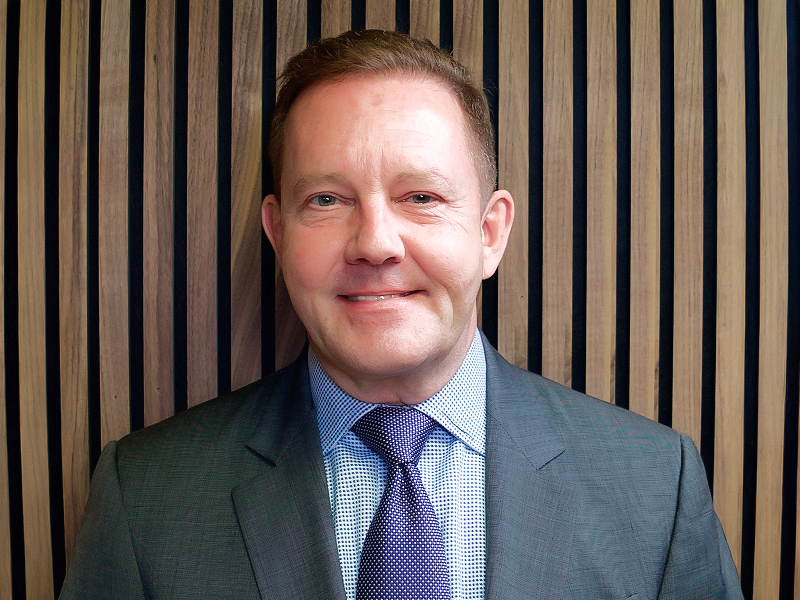
Why Choose Becker Aesthetics & Plastic Surgery and Dr. David W. Allison
Dr. David W. Allison, MD, is a board-certified plastic surgeon with advanced training in aesthetic and reconstructive procedures for the face, body, and chest. He combines technical precision with an understanding of masculine aesthetics to produce results that are both natural and proportional.
At Becker Aesthetics & Plastic Surgery, Dr. Allison works alongside a team of leading surgeons serving patients across Philadelphia and New Jersey. Together, they provide comprehensive care that emphasizes safety, education, and natural-looking results. From consultation through recovery, patients receive attentive, personalized guidance in a professional and supportive environment.
Pick one of our 5 convenient locationsfor Your Plastic Surgery Needs
Dr. David W. Allison and the Becker Aesthetics & Plastic Surgery team proudly serve men across Philadelphia and New Jersey, helping them achieve renewed confidence and balance through expert gynecomastia surgery. Schedule your private consultation today to learn how male breast reduction can help you restore a stronger, more masculine chest contour and lasting self-assurance.
Male Breast Reduction FAQs
What causes gynecomastia?
Gynecomastia may stem from hormonal imbalance, genetics, medications, or lifestyle factors such as steroid or marijuana use. It’s a common condition that affects men of all ages. Dr. Allison reviews your history and any contributing causes before developing your treatment plan.
Is male breast reduction permanent?
Results are long-lasting when underlying causes are managed and a stable weight is maintained. Hormonal fluctuations, certain medications, or weight gain can occasionally cause recurrence.
What type of anesthesia is used?
Gynecomastia surgery is usually performed under general anesthesia, although smaller procedures may be done under local anesthesia with sedation.
Will I have visible scars?
Incisions are placed discreetly—typically around the areola or within natural chest folds. Over time, scars fade and become minimally visible.
How long is recovery?
Most men return to work or normal routines within several days. Exercise and heavy lifting are restricted for about four weeks. Wearing the compression garment as directed helps ensure smooth healing.
Can liposuction alone treat gynecomastia?
If fat is the main issue and glandular tissue is minimal, liposuction alone may suffice. For most patients, combining liposuction with excision creates the most natural, balanced outcome.
Will surgery affect nipple sensation?
Temporary changes in sensitivity are common and typically resolve within a few months. Permanent changes are rare but can occur depending on tissue removal and healing patterns.
Is gynecomastia surgery covered by insurance?
Most cases are considered cosmetic and not covered. However, if the condition causes pain or functional issues, partial coverage may be possible. Dr. Allison’s team can help review your insurance plan and documentation requirements.
How should I prepare for surgery?
You’ll be asked to stop smoking, avoid blood-thinning medications, and follow a healthy lifestyle before surgery. Dr. Allison may recommend lab tests or medical clearance to ensure readiness.
How soon will I see results?
Visible improvement is apparent shortly after surgery. As swelling resolves, final results reveal a firm, sculpted chest with improved confidence and comfort.