Rhinoplasty for Crooked Nose in Philadelphia
A crooked nose can affect more than appearance alone. For many people, nasal crookedness is tied to breathing problems, facial asymmetry, or lingering issues from a broken nose or previous nasal surgery. In a city like Philadelphia—where people value both professionalism and confidence in everyday interactions—these concerns often motivate patients to explore surgical options that restore balance and function.
At Becker Plastic Surgery, rhinoplasty for a crooked nose is approached with careful attention to both cosmetic and structural factors. Patients from Philadelphia, Center City, University City, South Philly, Northern Liberties, and nearby communities such as Cherry Hill, King of Prussia, Bala Cynwyd, and the Main Line seek experienced care that prioritizes facial harmony, nasal alignment, and long-term stability.






What Is Rhinoplasty for a Crooked Nose?
Rhinoplasty for a crooked nose is a surgical procedure designed to realign the nasal structure while preserving balance across the entire face.
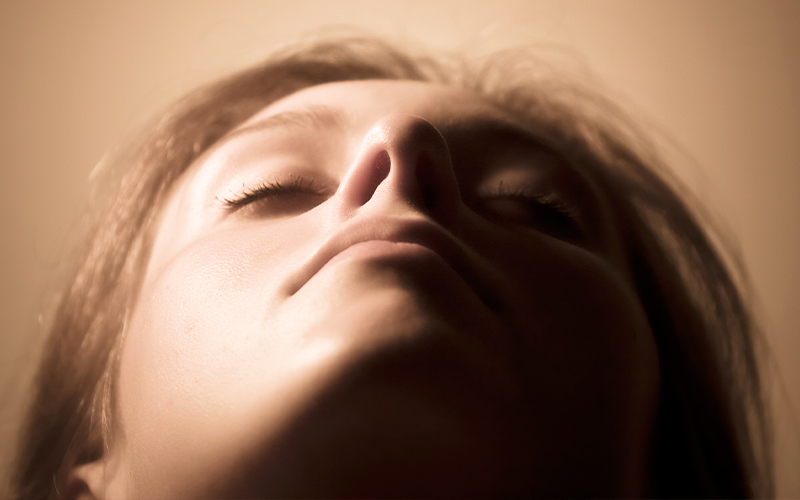
Surgical Correction of Nasal Deviation
Crooked nose surgery focuses on correcting deviations in the nasal bones, septum, and cartilage framework. This may involve repositioning nasal bones, reshaping cartilage, or straightening the septum to restore proper nasal alignment. Each surgical method is selected based on the underlying cause of the crookedness rather than a one-size-fits-all approach.
Cosmetic vs Functional Correction
Some patients pursue rhinoplasty primarily for cosmetic reasons, while others require functional rhinoplasty to address breathing issues. In many cases, both goals overlap. A carefully planned surgical rhinoplasty can improve nasal symmetry while also supporting better airflow through the nose.

Why a Crooked Nose Can Be a Problem
Nasal asymmetry is rarely just a surface issue. A misaligned nose often reflects deeper structural concerns involving the nasal bones, cartilage, and septum.
Facial Asymmetry and Appearance Concerns
When the nasal bridge or nasal tip deviates to one side, it can draw attention away from other facial features. Even subtle crookedness can disrupt facial symmetry, especially when viewed from the front. Because the nose sits at the center of the face, small deviations often feel more noticeable than they appear to others, contributing to dissatisfaction with overall nose shape.
Breathing and Functional Issues
While there are several potential causes of a crooked nose, many cases are associated with a deviated septum or displaced lateral cartilages. These structural changes can narrow the nasal airway, leading to breathing problems, nasal obstruction, frequent nosebleeds, or chronic congestion. In these cases, functional rhinoplasty plays an important role alongside cosmetic correction.
Confidence and Quality-of-Life Impact
A crooked appearance can affect confidence in social, professional, and personal settings. Patients often report becoming more aware of their face in photos, conversations, or public-facing roles. Addressing nasal asymmetry can improve comfort and self-assurance, particularly when both breathing and appearance are improved together.
Benefits of Rhinoplasty for a Crooked Nose
Correcting nasal asymmetry can provide meaningful improvements in both appearance and daily comfort.
A Straighter, More Balanced Appearance
By addressing the nasal bridge, nasal tip, and overall nasal structure, rhinoplasty surgery can create a straighter nose that aligns more naturally with the face. The goal is not perfection, but improved harmony with surrounding features.
Improved Breathing and Nasal Function
When nasal obstruction or septal deviation is corrected, many patients experience relief from breathing problems. Improved airflow can reduce mouth breathing, nighttime congestion, and exercise-related breathing issues.
Increased Confidence
Patients often report feeling more at ease in photos and face-to-face interactions after crooked nose surgery. A balanced nose shape can shift attention back to the eyes and expression rather than the nose itself.
Are You a Candidate for Rhinoplasty for a Crooked Nose?
Candidacy depends on both physical factors and personal goals.
Ideal Candidates
Good candidates for rhinoplasty surgery are generally in good health, have completed facial growth, and have realistic expectations. Crooked noses caused by nasal fractures, previous surgery, or natural asymmetry can often be addressed successfully with surgical treatments.
Importance of a Personalized Consultation
Because every nose is structurally different, consultation with an experienced facial plastic surgeon is essential. Surgical planning considers nasal anatomy, cartilage strength, previous nasal surgeries, and how changes will affect the entire face.
Rhinoplasty for
Crooked Nose Results
Results depend on anatomy, surgical technique, and healing response.
* All patients are unique and individual results may vary.
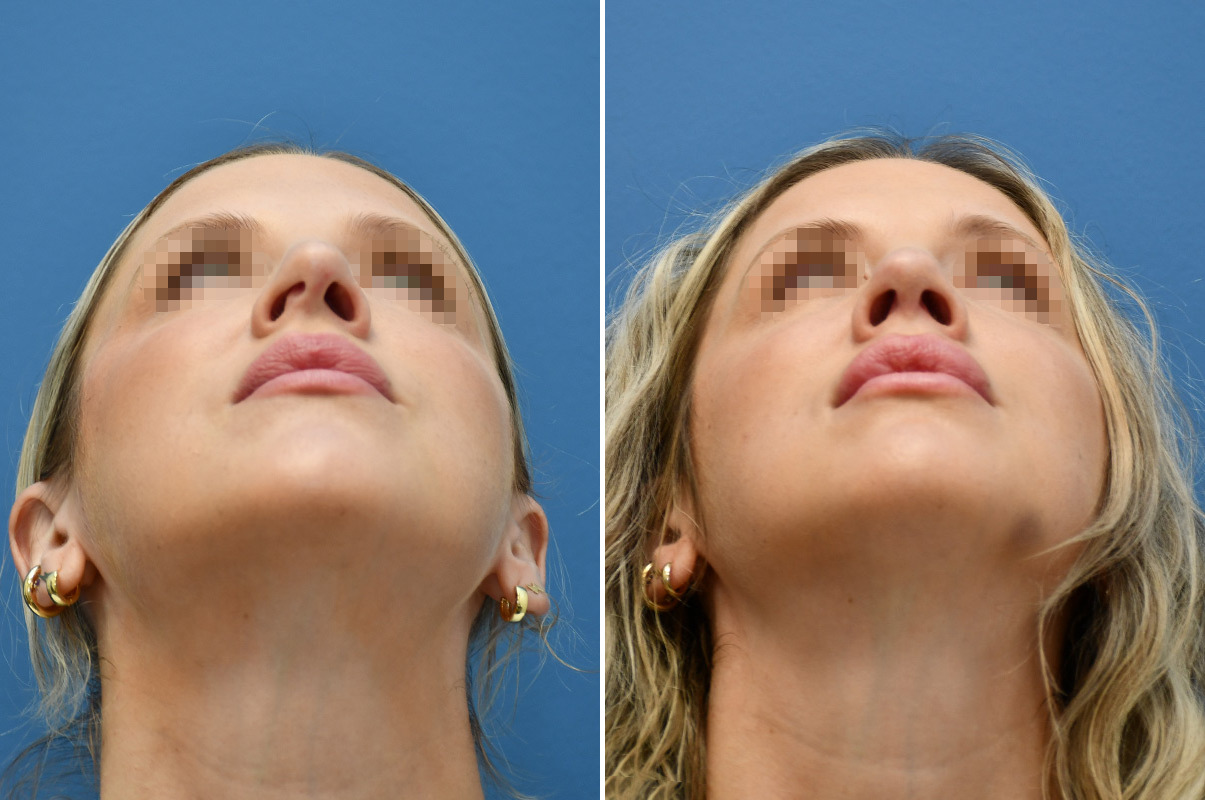
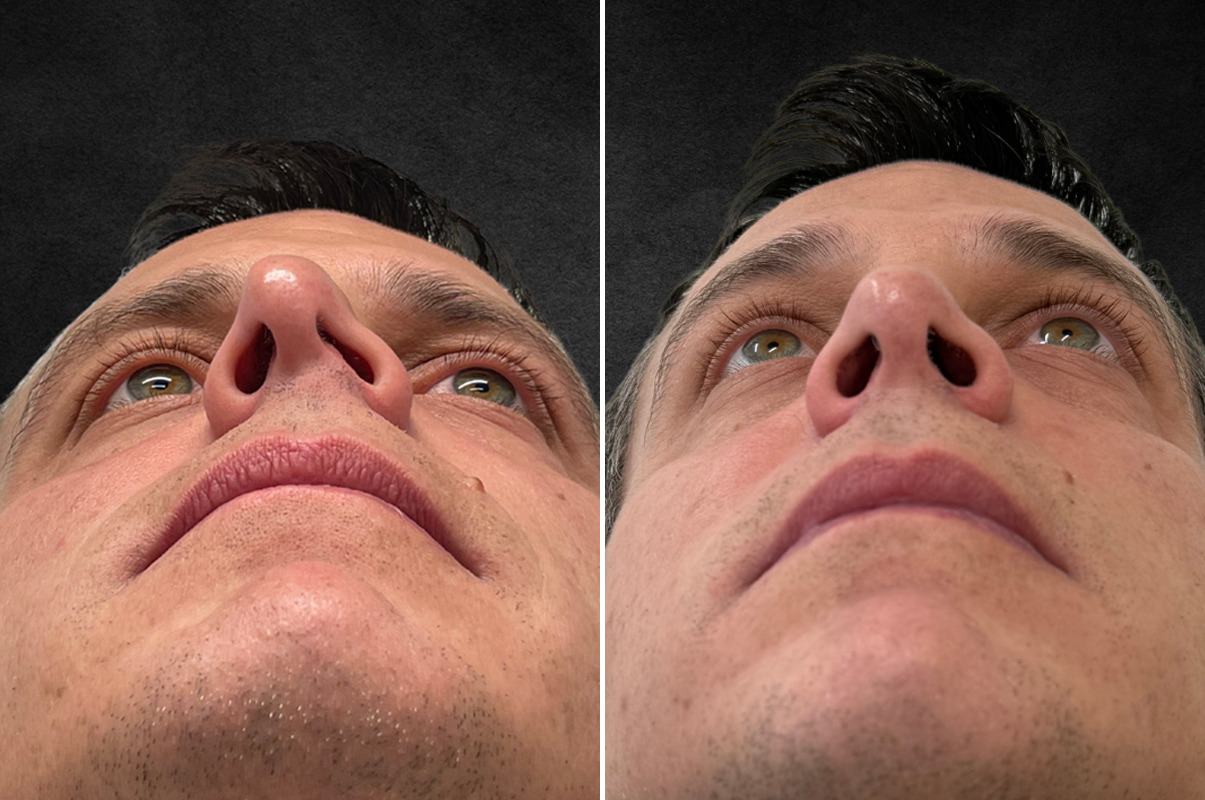
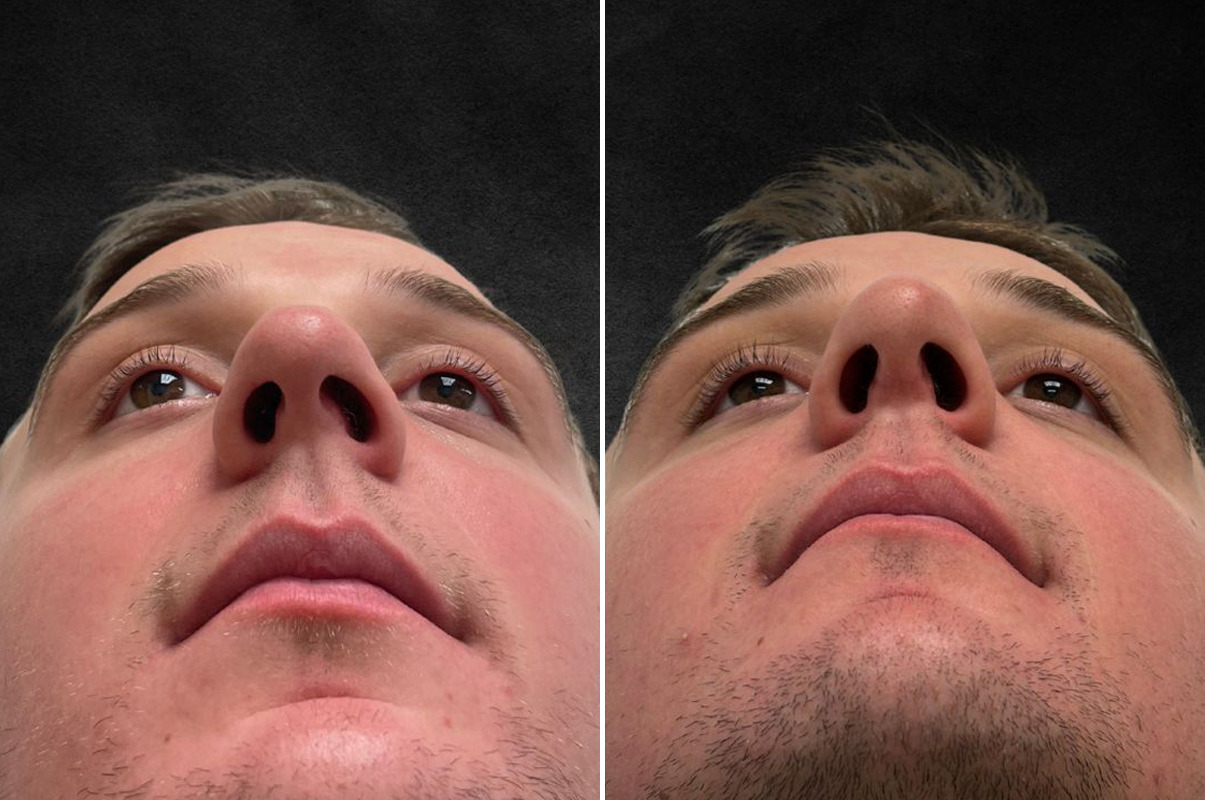
What Patients Can Expect
Rhinoplasty can significantly improve nasal alignment and facial symmetry, but no face is perfectly symmetrical. The goal is a natural-looking straight nose that fits the patient’s features rather than an artificial appearance.
Before and After Outcomes
Before-and-after photos help illustrate potential outcomes and guide discussion during consultation. These photos provide insight into how surgical options have addressed similar nasal structures and degrees of crookedness.

How Rhinoplasty for a Crooked Nose Is Performed
Crooked nose rhinoplasty requires precision and a deep understanding of nasal anatomy.
Surgical Techniques Used
Depending on the degree of misalignment, the surgeon may use open or closed rhinoplasty techniques. The procedure can involve repositioning nasal bones, reshaping cartilage, correcting the septum, or reinforcing weakened areas with grafts. Revision rhinoplasty may be necessary for patients with complications from previous surgery.
Anesthesia and Procedure Length
Rhinoplasty for a crooked nose is typically performed under general anesthesia. Procedure length varies based on complexity but often ranges from two to four hours.
“I had an amazing experience getting my rhinoplasty done by Dr. Lozada. I was very nervous and really wanted a natural look and Dr. Lozada answered every single one of my questions and concerns and he totally put my mind at ease.”


Schedule a Rhinoplasty for Crooked Nose Consultation in Philadelphia
Speak With a Philadelphia Rhinoplasty Specialist
If nasal asymmetry, breathing issues, or concerns about a crooked appearance are affecting your confidence or comfort, a personalized consultation can help clarify your surgical options. Becker Plastic Surgery welcomes patients from Philadelphia, Center City, South Jersey, and surrounding Pennsylvania communities to explore rhinoplasty solutions tailored to their needs.
Recovery After Rhinoplasty for a Crooked Nose
Understanding recovery helps patients prepare both physically and mentally.
Short-Term Recovery
Swelling, bruising, and congestion are common during the first one to two weeks. A nasal splint is usually worn temporarily to support proper alignment as the bones heal. Most patients return to non-strenuous activities within 10 to 14 days.
Long-Term Healing and Refinement
While early improvements are visible within weeks, subtle swelling—especially in the nasal tip—can take months to resolve. Final nasal symmetry and refinement continue to develop gradually over time.
Cost of Rhinoplasty
for Crooked Nose in Philadelphia
Factors That Affect Cost
Pricing depends on surgical complexity, whether functional correction is included, anesthesia, facility fees, and whether the procedure involves revision rhinoplasty or prior complications. Crooked nose surgery that addresses breathing problems may differ in scope from cosmetic-only procedures.
Financing and Payment Options
Financing options are often available to help make nose surgery more accessible. During consultation, patients receive a detailed breakdown of costs and available payment plans.
Choosing a Rhinoplasty Surgeon in Philadelphia
Surgeon experience is one of the most important factors in achieving a stable, natural result.
Experience With Crooked Nose Correction
Crooked nose rhinoplasty is among the more technically demanding nasal surgeries. Experience with nasal fractures, septal deviation, and complex nasal asymmetry is essential for long-term success.
Advanced Surgical Planning
Careful evaluation of nasal bones, cartilage, and septal alignment allows for tailored surgical planning. An experienced plastic surgeon considers both appearance and function to avoid future breathing issues or revision surgery.
Pick one of our 6 convenient locationsfor Your Plastic Surgery Needs
Rhinoplasty for Crooked Nose FAQs
Can a nose job make my nose perfectly straight?
Rhinoplasty can significantly improve nasal alignment, but natural facial asymmetries always remain. The goal is balance and harmony rather than absolute perfection.
Is rhinoplasty for a crooked nose painful?
Most patients report manageable discomfort rather than pain. Swelling and congestion are more common concerns during early recovery.
Will insurance cover functional correction?
If breathing problems or nasal obstruction are documented, insurance may cover the functional portion of rhinoplasty, depending on diagnosis, medical necessity, and individual plan requirements. Cosmetic components are typically not covered.
How long before I see final results after nose surgery?
Early results are visible within weeks, but final refinement can take up to a year as swelling resolves fully.
How do I choose the right surgeon in Philadelphia?
Look for a surgeon with extensive experience in facial plastic surgery, crooked nose correction, and both cosmetic and functional rhinoplasty.