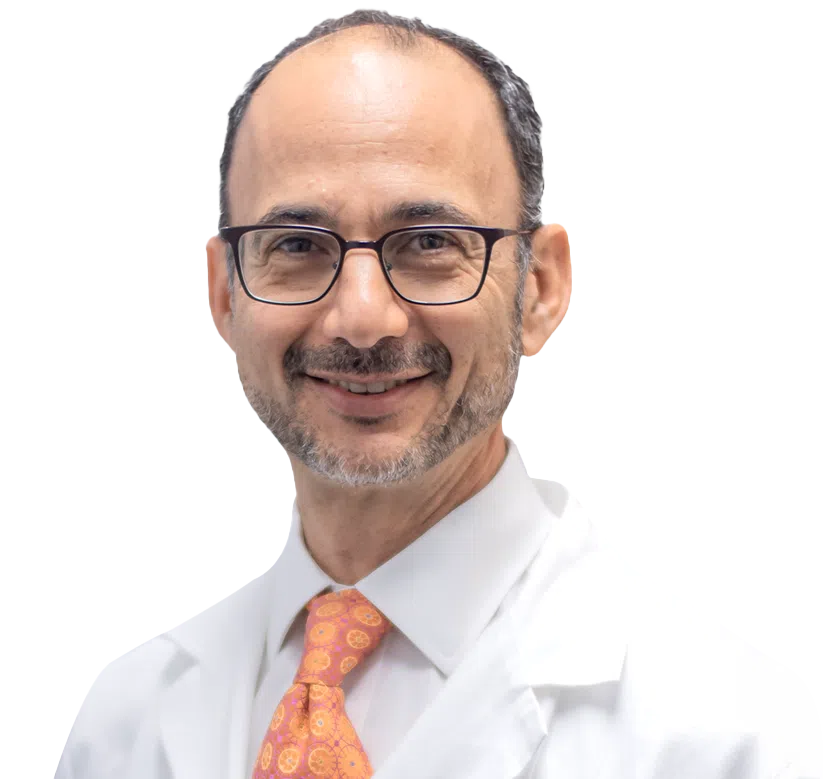
Quick Answer: Blepharoplasty can help correct uneven eyelids by removing or repositioning excess skin, muscle, and fat to create a more balanced appearance. In my practice, I first look at what’s causing the asymmetry, whether it’s aging, genetics, or another underlying condition. Depending on your needs, upper or lower eyelid surgery may help your eyes look more symmetrical and refreshed while maintaining your natural features.
Blepharoplasty is a type of cosmetic eyelid surgery that can help make your eyes look younger and more even by fixing uneven eyelids. This operation rejuvenates and balances drooping eyelid skin, bags, and extra fat tissue in the upper and lower eyelids.

Key Takeaways: How to Get Rid of Uneven Eyelids with Blepharoplasty
- Blepharoplasty can improve uneven eyelids: By adjusting excess skin, muscle, and fat, eyelid surgery can create a more balanced, youthful appearance without dramatically changing your natural features.
- Uneven eyelids can have different causes: Aging, genetics, medical conditions, and previous injuries can all contribute to eyelid asymmetry. Understanding the cause is important before choosing treatment.
- A proper diagnosis comes first: I always emphasize the importance of examining your eyelid position, muscle function, and facial structure to determine whether blepharoplasty is the right approach.
- Recovery usually takes about two weeks: Swelling, bruising, and mild discomfort are common after eyelid surgery. Following your surgeon’s instructions can help you heal comfortably and avoid complications.
- Personalized treatment helps achieve natural results: Every patient’s eyelids are different, so choosing the right surgical approach is essential for improving symmetry while preserving your unique appearance.
What are Uneven Eyelids?
Many people find uneven eyelids to be an irritating facial aspect. This condition results from variable size, form, or position of the upper or lower eyelidsor both. Asymmetry in the upper eyelids might make it difficult to apply cosmetics or wear contacts. Certain times it can also result in functional issues such as eye strain or blurred vision.
Asymmetrical eyelids can appear in various types, such as differences in eyelid creases, skin folds, or upper and lower eyelid positions. The degree of asymmetry can influence one or both eyes and can range from mild to severe. Uneven eyelids could be a natural face characteristic or they might develop for another reason.

Reasons Behind Uneven Eyelids
Many factors can help to produce uneven eyelids. Some of the most common causes are:
Aging
Droopy eyelids result from the loss of flexibility and strength in the skin and muscles surrounding our eyes as we age. A change in the fat deposits surrounding the eyes brought on by aging can also help to explain unequal eyelids. Along with certain functional problems, this normal aging process might cause the eyelids to seem uneven.
Sun exposure and smoking can aggravate the natural effects of aging; so it is necessary to take proper care of your skin and overall condition. Correcting facial asymmetry and providing a rejuvenated, more alert look is what blepharoplasty does.
Medical Conditions
Asymmetrical eyelids can be caused in part by some medical disorders. For example, ptosis is a condition in which the upper eyelid droops due to weakened or impaired eyelid muscles. Other medical conditions, including enophthalmos (sunken eyes), proptosis (bulging eyes), and Bell’s palsy (facial paralysis), can also cause uneven eyelids.
Another congenital (present at birth) problem with asymmetrical lashes is congenital ptosis or congenital eyelid retraction. A skilled medical expert should examine these medical concerns in order to determine the most effective treatment options and to ensure that any underlying disorders are effectively managed.
Genetics
Uneven eyelids can also form in response to genetic factors. Some people may have eyelid asymmetry running in their family from their grandparents or parents.
Some ethnic groups may have more noticeable genetic predisposition. Asian men and women, for instance, may have an eyelid crease either absent or present, resulting in asymmetric eyelids. In these cases, double eyelid surgery is often performed to produce a more pronounced eyelid crease.
Understanding your genetics and how it could affect your eyelids will let your doctor create a personalized treatment plan that addresses your specific needs.
Injury and Trauma
Trauma or injuries to the eye area—such as accidents or surgeries—may damage the muscles, skin, or other structures surrounding the eyes, resulting in uneven eyelids. Scarring, tissue damage, or muscular weakness can cause eyelid asymmetry, requiring specific treatment options such as eyelid revision surgery or the use of injectable treatments like botulinum toxin.
To restore facial symmetry and improve function, consult with an expert plastic surgeon who understands the particular problems given by post-traumatic eyelid asymmetry and is skilled in advanced eyelid procedures.
Blepharoplasty Patient Results


* All patients are unique and individual results may vary.
Diagnosis of Uneven Eyelids
To determine the cause of uneven eyelids and develop an appropriate treatment plan, a proper diagnosis is needed. The diagnostic process typically involves:
Physical Exam by a Doctor or Dermatologist
When you see a doctor or dermatologist about uneven eyelids, they’ll take a good look at your eyes and the area around them. They’ll check how well your muscles and tissues are working and look at the size, position, and shape of your eyelids to figure out what’s causing the issue.
Facial plastic surgeons focus on cosmetic and reconstructive procedures for your face, head, and neck. They’re experts in dealing with things like uneven eyelids. They not only look at how your face appears but also figure out the root cause of the asymmetry. Then, they can suggest the best treatment options for you.
Imaging Tests (X-Ray, MRI, CT Scan)
Sometimes, to get a better look at what’s going on, doctors might order imaging tests like X-rays, MRIs, or CT scans. These tests can show if there are any problems with the bones or muscles around your eyes that might be causing your eyelids to be uneven.

Struggling with Uneven Eyelids?
Experience world-class treatment from our top-rated providers at Becker Aesthetics & Plastic Surgery.
Blepharoplasty for Uneven Eyelids
If it turns out that surgery is the best way to fix your uneven eyelids, you might be recommended for a procedure called blepharoplasty. According to the American Academy of Ophthalmology, upper eyelid blepharoplasty can address excess eyelid skin and tissue that contribute to cosmetic concerns or functional vision problems. When differences in these tissues contribute to uneven eyelids, surgery may help create a more balanced appearance.
Eyelid Surgery Procedure
| Treatment | Areas Addressed | How It Works | Potential Benefits |
|---|---|---|---|
| Upper Blepharoplasty | Upper eyelids | Removes or repositions excess skin, muscle, and fat | Improves upper eyelid contour and symmetry |
| Lower Blepharoplasty | Lower eyelids | Removes or repositions excess tissue and fat deposits | Reduces under-eye bags and uneven lower eyelid contours |
| Combined Upper and Lower Blepharoplasty | Both upper and lower eyelids | Addresses concerns affecting both eyelid regions | Creates a more balanced overall appearance |
| Double Eyelid Surgery | Upper eyelid creases | Creates or adjusts an upper eyelid crease | Improves crease definition and symmetry |
| Revision Eyelid Surgery | Previously operated or injured eyelids | Corrects selected contour or positioning concerns | May improve irregularities caused by previous surgery or trauma |
While blepharoplasty can improve eyelid symmetry by addressing excess skin and fat, patients with drooping eyebrows may also benefit from a brow lift to achieve a more balanced and refreshed appearance.
Recovery Process after Eyelid Surgery
After eyelid surgery, it usually takes about two weeks to recover. During this time, you might have some swelling, bruising, and discomfort. It’s important to follow the care instructions your surgeon gives you. This might include using cold compresses to reduce swelling, taking any prescribed pain and anti-inflammatory medications, and avoiding makeup and contact lenses for a while.
Potential Side Effects of Eyelid Surgery
| Recovery Aspect | What to Expect | Recommended Care |
|---|---|---|
| Swelling | Temporary swelling around the operated eyelids | Use cold compresses as instructed |
| Bruising | Bruising may develop around the eyes | Follow postoperative care instructions |
| Discomfort | Mild pain or tenderness during early recovery | Take prescribed medications as directed |
| Recovery Timeline | Initial recovery typically takes approximately two weeks | Attend follow-up appointments and follow activity restrictions |
| Makeup and Contact Lenses | Temporary restrictions after surgery | Resume only when cleared by the surgeon |
| Dry Eyes | Temporary dryness or irritation may occur | Report symptoms and use recommended treatments |
| Scarring | Small scars may develop around surgical incisions | Follow incision care instructions |
| Potential Complications | Infection, vision changes, or other surgical complications | Seek prompt medical attention for concerning symptoms |
Talk with a Blepharoplasty Expert
If you are considering blepharoplasty to address uneven eyelids, consult with an experienced and qualified plastic surgeon. The physicians at Becker Aesthetics & Plastic Surgery can assess your specific needs, discuss your goals and expectations, and determine whether blepharoplasty is the right treatment option for you.
Additionally, they can guide any necessary pre-operative preparations and post-operative care to ensure a successful outcome and minimize potential risks. Please call (609) 874-7199 or click here and fill out the online contact form to schedule a consultation.
Remember, achieving a more symmetrical and youthful appearance through eyelid surgery is possible if you work with a knowledgeable and skilled expert to ensure the best results.