
Quick Answer: Bruising after Botox is usually normal and temporary. It happens when the injection needle irritates or nicks a tiny blood vessel, causing mild discoloration near the injection site. Most bruises fade within 3 to 7 days, but contact your provider if bruising is severe, painful, spreading, or lasts longer than two weeks.
Have you been noticing Botox bruises after your cosmetic procedure and wondering whether it is something to worry about? Botox is known for softening wrinkles and giving the face a refreshed look, but mild bruising can sometimes appear as the skin reacts to the injections. Understanding why this happens can make the experience much smoother.
Many patients are surprised to learn how common temporary discoloration is and how easily it resolves. If you want the best Botox results and a stress‑free treatment journey, it helps to know what is normal, what is not, and how to support your recovery so you can enjoy your refreshed appearance with confidence.
Key Takeaways
- Bruising after Botox is common and usually not dangerous.
- Most Botox bruises fade within 3 to 7 days, but deeper bruising or a small hematoma may take longer.
- A hematoma after Botox may feel raised, firm, swollen, or tender compared to a flat bruise.
- Cold compresses, avoiding exercise, not touching the area, and skipping alcohol can help reduce bruising.
- Severe swelling, worsening pain, vision changes, difficulty breathing, or bruising that lasts more than two weeks should be evaluated by a medical provider.
Is Bruising Normal After Botox?
Yes, bruising can be normal after Botox cosmetic injections, especially for patients who are prone to bruising. When the Botox needle enters the skin, it can occasionally disrupt tiny blood vessels, leading to mild bruising around the injection sites. This is a common and temporary response that usually fades on its own.
Factors such as sensitive skin, certain medications, and natural vessel fragility can make discoloration more noticeable. Although mild bruising is not harmful, proper aftercare can help minimize it and ensure a smooth healing experience.
How Long Does Bruising Last After Botox?
Bruising after Botox typically lasts anywhere from three to seven days, depending on factors like skin sensitivity, overall health, and how easily you bruise. Most discoloration begins to fade within the first few days as the body breaks down the pooled blood beneath the skin.
In some cases, especially for those who bruise easily or take certain medications, it may take up to ten days to fully resolve. Following proper aftercare and avoiding activities that increase blood flow can help speed up the healing process.
How to Get Rid of Bruising After Botox
Managing bruising after injections can be easier than most patients expect, especially when you follow simple tips that support healing. This section highlights practical steps you can take at home to reduce discoloration, soothe the skin, and encourage quicker recovery. Each method below plays a role in minimizing swelling and helping your skin return to its natural tone so you can fully enjoy your results.
Use Arnica or Bromelain
Arnica and bromelain are two of the most commonly recommended natural remedies for reducing bruising after injections. Arnica, available as a topical gel or oral supplement, helps minimize inflammation and supports faster fading of discoloration. Bromelain, an enzyme found in pineapple, may also assist with swelling and bruising by promoting healthy circulation. Using either option as directed can give your skin an added boost during the early stages of recovery, making the healing process smoother and more comfortable.
Avoid vigorous exercise
High-intensity workouts can increase blood flow throughout the body, which may cause bruising to appear more noticeable or take longer to fade. Strenuous movement also puts added pressure on recently treated facial muscles, potentially aggravating the injection sites. To support smoother healing, it is best to avoid activities like running, weightlifting, or intense cardio for the first 24 hours after treatment. Gentle walking is usually fine and can keep you active without disrupting your recovery.
Do not touch the face area
Touching or rubbing the treated area can worsen bruising and interfere with the healing process. The skin needs time to settle after injections, and unnecessary pressure may spread the product or irritate delicate tissues. Keeping your hands off your face also helps maintain good skin care hygiene and reduces the risk of introducing bacteria to sensitive spots. Allow the area to rest so your body can recover comfortably and naturally.
Sleep with your head elevated
Keeping your head elevated while sleeping can help reduce pressure and pooling of blood around the injection sites. When the head remains above heart level, fluid drains more efficiently, which may lessen swelling and bruising. Using an extra pillow or a wedge cushion is often enough to maintain the right angle throughout the night. This small adjustment supports a calmer recovery environment for the treated areas and encourages a more comfortable healing process.
Skip alcohol and caffeine
Alcohol and caffeine can thin the blood and widen blood vessels, which may make bruising more noticeable after injections. These effects can also slow the healing process by increasing sensitivity and swelling around treated areas. Avoiding wine, cocktails, coffee, or energy drinks for at least 24 hours before and after your appointment can help keep bruising to a minimum. Giving your body time to settle without these stimulants supports a smoother and more predictable recovery.
Apply ice to the skin area
Applying ice to the treated area can help constrict blood vessels and reduce the visibility of bruising. Short, gentle icing sessions during the first 24 hours can lessen swelling and calm irritation, offering both comfort and cosmetic benefits. Be sure to wrap the ice pack in a soft cloth to avoid direct contact with the skin. Using this method consistently can support a smoother appearance as your body works through the early stages of healing.
Avoid certain medications, blood thinners, and supplements
Some products can significantly increase bruising after injections, especially blood-thinning medications that make it harder for the body to stop minor bleeding under the skin. Medications like ibuprofen and aspirin are common contributors, as they naturally slow clotting. Certain supplements, including fish oil, vitamin E, and herbal blends, may have similar effects. If you regularly take blood thinners or use products known to affect clotting, speak with your provider before treatment. Adjusting these items temporarily, when appropriate, can help reduce discoloration and support a smoother recovery.
Botox Patient Results
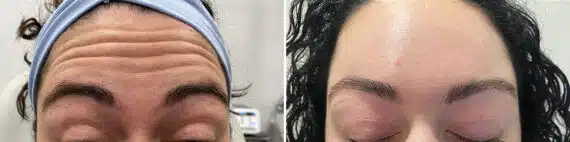
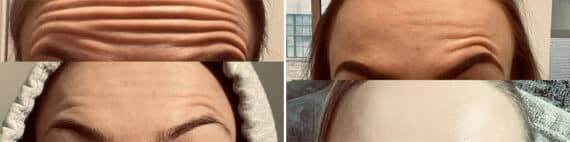
* All patients are unique and individual results may vary.
Is Bruising After Botox Dangerous? What Are the Side Effects?
While bruising after Botox is usually mild and temporary, it is still important to understand the difference between normal post-treatment reactions and signs that warrant medical attention. Most patients experience only minor discoloration or swelling, but in rare cases, certain symptoms may indicate an adverse response. The following side effects highlight what to watch for so you can feel informed, prepared, and confident throughout your recovery.
Severe swelling
While mild bruising and swelling are common after Botox, severe swelling is not typical and may signal an adverse reaction. Significant puffiness that worsens quickly or spreads beyond the treated area can indicate irritation, an allergy, or improper product placement. If swelling becomes pronounced or painful, it is important to contact your provider promptly so they can assess the situation and recommend appropriate care. Early evaluation helps ensure your safety and prevents complications from progressing.
Difficulty breathing
Difficulty breathing after Botox is extremely rare but should always be treated as a medical emergency. This symptom may indicate an allergic reaction or swelling affecting the airway, both of which require prompt evaluation. If breathing becomes tight, strained, or uncomfortable at any point after treatment, seek immediate medical care. Quick action ensures your safety and prevents the reaction from worsening. Even though such complications are uncommon, recognizing them early is essential for proper treatment and peace of mind.
Anaphylaxis
Anaphylaxis is an extremely rare but serious allergic reaction that can occur after exposure to certain substances, including injectable treatments. Symptoms may develop quickly and can include hives, dizziness, difficulty breathing, or a sudden drop in blood pressure. This type of response requires immediate emergency care to prevent complications. Although Botox is generally very safe, recognizing the signs of anaphylaxis ensures you can act quickly if something feels wrong. Prompt treatment greatly improves outcomes and helps protect your overall wellbeing.
Weakness far from the injection site
Weakness occurring far from the injection site is not a typical response to Botox and may suggest that the product has affected unintended muscles. This type of symptom is rare, but if you notice drooping, reduced strength, or changes in muscle control in areas that were not treated, it is important to contact your provider. Prompt evaluation helps determine the cause and ensures that any necessary steps are taken to support your safety. Being aware of this uncommon reaction allows you to stay proactive during your recovery.
Struggling with Hematomas After Botox?
Experience world-class treatment from our top-rated providers at Becker Aesthetics & Plastic Surgery.
Is it Safer to Use Fillers Instead?
Fillers can be an excellent alternative or complement to Botox, offering their own unique benefits for facial rejuvenation. Dermal filler injections, such as hyaluronic acid-based products like Juvederm or Restylane, help restore lost volume, smooth deeper lines, and enhance facial contours. These cosmetic treatments are versatile, long-lasting, and customizable, making them a popular choice for patients seeking subtle yet noticeable improvements. While both options are effective, your ideal treatment depends on your goals, anatomy, and desired longevity of results.
Which Treatment is Best for Me?
Choosing between Botox treatments and filler treatments depends on your unique goals, areas of concern, and how you want your results to look and feel. Botox works best for softening dynamic wrinkles caused by muscle movement, while fillers are ideal for restoring volume or enhancing facial contours. A thorough consultation allows your provider to evaluate your features and recommend the most effective option.
In many cases, combining treatments creates the most balanced and natural outcome. Botox can smooth expression lines while fillers add structure and support, giving the face a refreshed and harmonious look. When used together, these approaches complement one another beautifully and often deliver longer-lasting, more comprehensive rejuvenation.
Schedule an Appointment with a Botox Expert Today
Choosing a skilled doctor for facial rejuvenation procedures is essential for achieving safe, natural-looking results. An experienced expert understands facial anatomy, injection depth, and product placement, which reduces side effects and helps you enjoy the benefits of your treatment with confidence.
At Becker Aesthetics & Plastic Surgery, our board-certified specialists have decades of combined experience performing Botox, Xeomin, or chemical peels along with a full range of cosmetic enhancements. Their deep expertise in facial aesthetics ensures precision, safety, and results tailored to your goals. To take the next step, visit our contact page to schedule a consultation or go to our locations page to check for the phone number in your city.
Frequently Asked Questions