Functional Rhinoplasty
Written by Dr. Daniel Becker, MD
Board-Certified Facial Plastic Surgeon
If chronic nasal congestion, difficulty breathing, sinus issues, or a history of nasal trauma affects your comfort, functional rhinoplasty may help. At Becker Aesthetics & Plastic Surgery, our functional rhinoplasty Philadelphia experts focus on restoring healthy nasal airflow through personalized surgical treatment tailored to your anatomy. With extensive experience in both functional and cosmetic nasal procedures, our surgeons help patients breathe more freely while maintaining a natural, balanced nasal appearance.





Key Takeaways: Functional Rhinoplasty
- Functional rhinoplasty is designed to improve nasal breathing by correcting structural problems inside the nose.
- Common issues treated include a deviated septum, nasal valve collapse, enlarged turbinates, nasal trauma, and post-surgical obstruction.
- The procedure may also address crooked nose deformity or saddle nose collapse when these issues affect nasal support or airflow.
- Surgical techniques may include septoplasty, nasal valve repair, turbinate reduction, cartilage grafting, or bridge reconstruction.
- When cosmetic refinements are also desired, functional and cosmetic rhinoplasty may be combined into one personalized surgical plan.der to begin generating the table of contents

What Is Functional Rhinoplasty?
Functional rhinoplasty is a surgical procedure aimed at improving how your nose works — not just how it looks. While cosmetic rhinoplasty focuses on changing the external shape of the nose, functional rhinoplasty addresses internal structural problems (bone or cartilage) that limit airflow.
In many cases, functional rhinoplasty involves correcting a deviated septum, reinforcing nasal valves, reducing obstructive tissue (such as enlarged turbinates), or repairing previous nasal trauma or structural damage. The goal is to restore comfortable, reliable nasal breathing and overall nasal health.
Functional rhinoplasty focuses on restoring nasal airflow. When aesthetic changes are also desired, your surgeon can discuss whether a combined functional and cosmetic rhinoplasty is appropriate based on your anatomy and goals.
Common Surgical Techniques Used
Depending on your needs, one or more techniques may be used as part of your functional rhinoplasty:
Septoplasty
Straightening or repositioning a deviated septum to open nasal passages.
Nasal Valve Repair / Structural Reinforcement
Strengthening weak or collapsing internal or external nasal valves, often using cartilage grafts to stabilize sidewalls and prevent collapse during breathing.
Turbinate Reduction or Management
Reducing hypertrophied turbinates (if present) to create more space for airflow — typically paired with other structural corrections when indicated.
Cartilage Grafting when Needed
In cases of insufficient cartilage, prior surgery, or structural weakness, grafts may be used to rebuild support for nasal bridge, sidewalls, or tip — ensuring both function and external balance.
Conditions Treated With Functional Rhinoplasty Surgery
Functional rhinoplasty can address a variety of structural problems that interfere with nasal airflow and lead to breathing difficulties, congestion, or sinus issues.
These may include:

Deviated Septum (Septal Deviation)
When the septum — the cartilage and bone dividing the nostrils — is off-center or crooked, it can restrict airflow on one or both sides. A corrective septoplasty as part of functional rhinoplasty repositions or removes the deviated portion to open the nasal passage.

Nasal Valve Collapse or Weakness
The nasal valves (internal or external) are among the narrowest parts of the nasal airway. When they collapse or weaken — due to congenital weakness, trauma, prior surgery, or cartilage deficiency — they may block airflow. Functional rhinoplasty can reinforce and reconstruct these valve areas to stabilize airflow, often using cartilage grafts or structural support.
Enlarged or Hypertrophic Turbinates
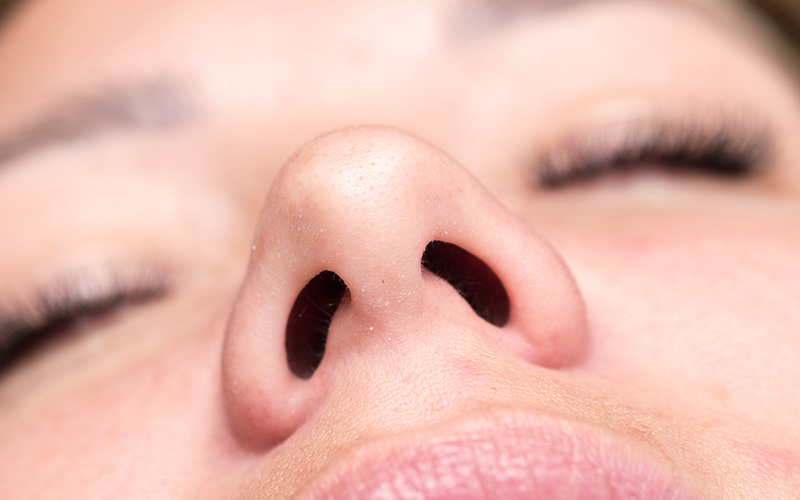
Turbinates are normal structures inside the nose that humidify and direct airflow. When they become chronically enlarged — from allergies, inflammation, or compensatory growth — they can obstruct the airway. Functional rhinoplasty may address turbinate hypertrophy in conjunction with other corrections, if needed.

Post-Traumatic or Post-Surgical Structural Issues
Prior nasal injuries, fractures, or previous surgeries can leave misaligned bones or cartilage, scar tissue, or collapse, creating airflow obstruction. Functional rhinoplasty offers corrective options to rebuild and realign nasal structure for both function and appearance.
Congenital Structural Abnormalities
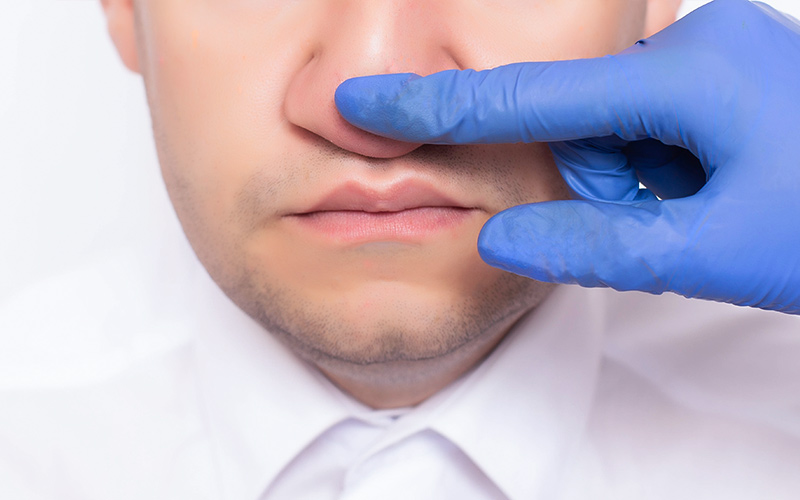
Some individuals are born with nasal framework irregularities or weaknesses that impair breathing. Functional rhinoplasty can help correct these issues and restore proper nasal function.
chelsea has always been such a comforting presence whenever I come in for my injections. She is always so kind walking me to my room and staying with me to calm my nerves during my procedure. When it was time for my big reveal of my rhinoplasty you can tell how much she cares for her clients capturing my moment and being genuinely happy for my outcome. I walk out of there more confident than before and know the staff is always there for me with any questions I may have.
Lauren Nebbia

Crooked Nose Correction
Crooked nose correction addresses nasal deviation caused by trauma, natural asymmetry, septal deviation, or previous surgery. Because crookedness often reflects deeper structural issues, treatment may involve straightening the septum, repositioning nasal bones, reshaping cartilage, or reinforcing weak areas with grafts.
The goal is to create a straighter, more balanced nasal appearance while improving function when structural blockage contributes to breathing difficulty. Because no face is perfectly symmetrical, crooked nose rhinoplasty focuses on meaningful improvement in alignment, balance, and breathing — not artificial perfection.
Saddle Nose / Low Bridge Reconstruction
Saddle nose reconstruction focuses on rebuilding a nasal bridge that has lost height, strength, or support. Unlike rhinoplasty procedures that reduce a hump or refine the nose by removing tissue, saddle nose correction usually requires adding structural support.
Treatment often involves dorsal augmentation and cartilage grafting to restore bridge height, reinforce the nasal framework, and improve the overall nasal profile. Depending on the patient’s anatomy and prior surgery, cartilage grafts may be taken from the septum, ear, or rib.
When collapse affects the airway, reconstruction may also support better breathing by restoring strength and stability to the nasal structure.
Signs You May Benefit From a Functional Rhinoplasty Procedure
You may be a candidate for functional rhinoplasty if you experience one or more of the following:
- Persistent nasal congestion or obstruction, especially on one side or worsening during exercise or sleep
- Difficulty breathing through the nose, even at rest
- Recurrent sinus infections or chronic sinus pressure
- Mouth-breathing, snoring, or sleep disturbances related to nasal obstruction
- Nasal trauma or history of prior nasal surgery with ongoing breathing difficulties
- Persistent nasal obstruction despite allergy treatments, sprays, or medical management
Because every nose — and every patient — is different, a comprehensive evaluation by a qualified facial plastic surgeon is the first essential step to determine candidacy.
Our Functional Rhinoplasty Approach in Philadelphia
At Becker Aesthetics & Plastic Surgery, we pride ourselves on a thorough, patient-centered approach to nasal airway surgery and functional rhinoplasty.
Comprehensive Nasal & Airway Evaluation
Your first consultation will include a full nasal and airway assessment, which involves a detailed medical history, discussion of your breathing concerns, review of any prior treatments or surgeries, and a thorough internal nasal examination. Our surgeons evaluate septum alignment, valve strength, turbinate size, and overall nasal anatomy to understand what contributes to your symptoms.
Personalized Surgical Plan Tailored to You
Based on your anatomy and breathing needs — as well as your aesthetic goals (if any) — our team will recommend a customized surgical plan. The plan may include septoplasty, nasal valve repair or reinforcement, turbinate reduction, cartilage grafting, or other structural corrections. We design every procedure to maximize nasal function, breathing comfort, and long-term stability — and if appropriate, to maintain or enhance nasal appearance.
Surgical Care Balancing Form and Function
We believe that functional rhinoplasty should restore nasal function without undermining nasal aesthetics. Our board-certified facial plastic surgeons work to ensure that surgical interventions preserve the natural-looking shape of your nose while providing durable airway improvement.
If you are also interested in nasal appearance changes beyond functional concerns, we offer full rhinoplasty options — you may explore our main rhinoplasty page for more details.
Functional Rhinoplasty Recovery and Results
Functional rhinoplasty — like most rhinoplasty procedures — is typically performed as an outpatient surgery under general anesthesia. Most patients go home the same day.
First 5–7 days
External splint (if used) and any internal nasal splints or soft supports remain in place. Patients may experience mild discomfort, swelling, congestion, or bruising around the eyes. After splint removal, many resume daily activities.
Weeks 2–4
Nasal passages gradually open, swelling subsides, congestion reduces, and breathing typically becomes more comfortable.
Long-term (6–12 months)
Most internal healing occurs, and patients often notice improved nasal function even beyond the initial recovery period. Airway improvement may continue over months.

Functional Benefits of Rhinoplasty
Choosing functional rhinoplasty at Becker Aesthetics & Plastic Surgery can offer meaningful, long-term improvements:
- Improved nasal airflow and easier breathing — even at rest, during exercise, or while sleeping.
- Reduced nasal congestion, sinus pressure, and chronic sinus issues when structural blockages are addressed.
- Improved sleep quality, reduced snoring or mouth-breathing, and better overall quality of life.
- Long-lasting functional improvement — surgical correction of structural problems provides durable results, especially when compared to temporary measures like sprays or decongestants.

Schedule Your Consultation with a Functional Rhinoplasty Surgeon in Philadelphia
If persistent nasal obstruction, chronic congestion, or difficulty breathing is affecting your quality of life and you would like to explore a long-term surgical solution, our functional rhinoplasty Philadelphia experts are here to help.
Contact Becker Aesthetics & Plastic Surgery today to schedule a private consultation. We will evaluate your nasal structure, listen to your breathing concerns and goals, and design a comprehensive plan tailored to your anatomy and needs — whether that means a functional rhinoplasty, a combined functional and cosmetic approach, or guidance toward other nasal procedures.
Take the first step toward restored nasal function and comfortable, natural breathing.
Risks & Safety Considerations
As with any surgery, functional rhinoplasty carries risks. While many patients have successful outcomes, it’s important to be aware of potential complications:
- Bleeding, infection, or poor wound healing, though rare with careful technique
- Persistent nasal congestion or internal swelling during healing, though many experience gradual improvement over weeks-to-months as tissues settle
- Asymmetry or contour irregularities, primarily when grafts are used
- Need for revision surgery if structural support shifts or settles improperly over time
Our surgical team takes great care to minimize risks, use conservative tissue handling, and follow evidence-based best practices for safety and long-term success.
Functional Rhinoplasty Cost and Insurance Coverage
Because functional rhinoplasty often treats structural issues like a deviated septum or valve collapse that impair breathing, many insurance providers recognize it as medically necessary — not purely cosmetic.
Insurance coverage typically depends on documented symptoms of nasal airway obstruction (e.g., chronic congestion, difficulty breathing, sinusitis), physical examination findings (e.g., septal deviation, valve collapse), and proof that non-surgical treatments failed.
During your consultation, our team will review your insurance plan, help with any required documentation or preauthorization, and clarify which parts of the surgery — functional vs. cosmetic — may be covered.
If cosmetic refinements are added, those portions are usually considered elective and may not be covered by insurance.
Why Choose Becker Aesthetics & Plastic Surgery for Functional Rhinoplasty in Philadelphia
- Our experienced team of board-certified facial plastic surgeons brings extensive expertise in both functional and cosmetic nasal surgery, offering a broad range of skills for personalized care.
- We focus first on nasal airway health and breathing function, ensuring structural soundness and long-term breathing improvement before addressing cosmetic balance.
- Our surgical plans are tailored to each patient’s anatomy, symptoms, and goals — not one-size-fits-all.
- We provide care for patients throughout Philadelphia and the surrounding region, offering convenience and continuity of care.
- As a full rhinoplasty practice, we offer functional rhinoplasty, cosmetic rhinoplasty, and revision rhinoplasty, giving you flexibility and comprehensive options under one roof.
If you are also interested in refining nasal shape, improving symmetry, or addressing external appearance alongside function, you can learn more on our main Rhinoplasty Philadelphia page.
Pick one of our 5 convenient locationsfor Your Plastic Surgery Needs
Functional Rhinoplasty FAQs
How do I know if my breathing issues require a functional nose job?
If you have persistent nasal obstruction, congestion, sinus infections, mouth-breathing, snoring, or difficulty breathing — especially after trying medications, nasal sprays, or allergy treatments — a structural issue in the nose might be the cause. A detailed nasal and airway evaluation by our surgeons will determine if functional rhinoplasty is appropriate.
What functional issues make you a good candidate for rhinoplasty?
You may be a strong candidate for rhinoplasty when structural problems inside the nasal area interfere with breathing or overall comfort. Common medical reasons include nasal blockage from a deviated nasal septum, collapsed nasal valves, chronic congestion, or difficulty breathing after nose surgery or injury. Patients who struggle with airflow while exercising or sleeping — or who have persistent nasal issues despite medications — may benefit from a functional rhinoplasty procedure designed to restore clear breathing and support the nasal structure.
Does functional nose surgery use a closed rhinoplasty or open rhinoplasty technique?
How long is the recovery after functional rhinoplasty?
Most patients return to light work or non-strenuous activities within a week or two after surgery. External splints and internal supports, if used, are typically removed 5–7 days post-op. Nasal swelling and congestion often improve within several weeks; full internal healing may take up to 6–12 months.
Will the shape of my nose change?
Functional rhinoplasty is primarily focused on improving nasal function. While some structural corrections may subtly affect the nose’s appearance — such as straightening a crooked septum or improving symmetry — major cosmetic changes are not expected. If you are also interested in aesthetic refinements, discuss your goals with your surgeon, who can advise whether a combined functional and cosmetic rhinoplasty approach is appropriate.
Is functional rhinoplasty safe?
When performed by an experienced, board-certified facial plastic surgeon, functional rhinoplasty is generally safe and effective. Like any surgery, it carries risks such as bleeding, infection, swelling, or the need for revision. With careful planning, precise surgical technique, and attentive follow-up care, most patients experience significant and lasting improvement in their breathing and nasal function.
Will insurance cover the surgery?
When your nasal structure causes medically significant breathing problems, many insurance plans — after review — cover functional rhinoplasty or septorhinoplasty as medically necessary. Our staff at Becker Aesthetics & Plastic Surgery can help with documentation, preauthorization, and evaluate whether the procedure qualifies under your plan.