Quick Answer: Yes, masseter Botox can make jowls more noticeable in some people, but it does not directly cause them. By reducing jaw muscle size, the treatment may reveal existing loose skin or sagging, especially in those with early skin laxity. Proper injection techniques and careful dosing can help minimize this risk.
Have you ever wondered if treatments meant to slim and refine your jawline could also change the appearance of jowls? Masseter Botox treatments have become a popular choice for facial contouring and facial slimming, especially for those seeking a softer, more balanced profile. This quick, minimally invasive approach continues to grow in popularity as more people explore non-surgical facial balance solutions.
As demand rises, so do questions about how these injections might influence the appearance of jowls over time. Understanding how the treatment interacts with your facial structure can help you make an informed choice. If you are considering masseter injections and want to protect your long-term results, this guide will walk you through what you need to know.

Key Takeaways: Can Masseter Botox Cause Jowls?
- Masseter Botox can accentuate existing jowls: Reducing jaw muscle volume may make loose skin or early sagging more visible, but it does not directly create jowls.
- Individual facial anatomy affects results: People with existing skin laxity or naturally slimmer faces may be more likely to notice changes in their jawline after treatment.
- Proper injection techniques help minimize risks: An experienced injector can carefully adjust Botox placement and dosage to achieve facial slimming while limiting unwanted contour changes.
- Complementary treatments can improve jawline definition: Dermal fillers, microneedling, laser therapy, and focused ultrasound may help address volume loss or skin laxity.
- Alternatives are available for more significant sagging: Non-surgical treatments can support mild contour concerns, while facelifts and neck lifts offer longer-lasting correction for more pronounced jowls.
Can Masseter Botox Cause Jowls?
Yes, masseter Botox can make the appearance of jowls more noticeable in some patients, although it does not directly create them. The treatment reduces muscle bulk, which can lessen support in the lower face and occasionally reveal existing skin laxity.
This unmasking effect is more common in individuals who already have early laxity or a naturally slimmer facial structure. That said, jaw slimming can improve proportions for others and does not inevitably lead to the development of jowls.
How Botox Affects the Jawline and Jowls
Botulinum toxin injections to the masseter region work by gently relaxing the jaw muscles that contribute to a broader lower face. When the neurotoxin temporarily weakens the masseter muscle, its reduced activity can lead to a slimmer contour over time. These Botox effects usually develop gradually and may subtly shift how the skin and soft tissues sit along the jawline as the muscle shrinks.
Beyond facial shaping, many patients also benefit from functional improvements. By easing clenching forces, treatment can lessen bruxism symptoms, protect the teeth, and reduce tension-related discomfort. This dual action makes masseter Botox a valuable option for those seeking both aesthetic refinement and therapeutic relief.
Jowl Prevention Techniques After Botox
Protecting your jawline after treatment involves thoughtful habits that support the lower face while the muscle adjusts. Although masseter Botox is generally well tolerated, being proactive can help minimize unwanted side effects and maintain smoother contours. Simple steps can also reduce the likelihood of Botox side effects from muscle over-relaxation or existing laxity becoming more noticeable. The following techniques offer practical ways to keep your results balanced while promoting long-term facial support.
Strategic Appliance
Skilled placement of Botox injections plays a key role in maintaining support along the jawline. A trained injector understands how to target specific areas of the masseter without affecting nearby structures that help keep the lower face firm. By mapping the muscle accurately and adjusting dosage carefully, they minimize the chance of weakening support in a way that could accentuate early laxity or uneven contours.
Combined Treatments
For some individuals, combining Botox with complementary treatments can help preserve jawline definition as the masseter relaxes. Dermal fillers may be recommended to support areas affected by natural facial aging or to enhance contour where volume has diminished. Pairing structural support with muscle relaxation allows for a balanced outcome, helping maintain smoother transitions along the lower face while optimizing overall aesthetic harmony.
Using a Night Guard
For patients seeking bruxism relief, incorporating a night guard can reduce the strain caused by jaw clenching and help support long-term results. By limiting excessive pressure on the masseter, a night guard can ease tension and decrease reliance on repeated treatments. This added protection also safeguards the teeth while encouraging healthier muscle patterns over time.
Jaw Area Botox Results
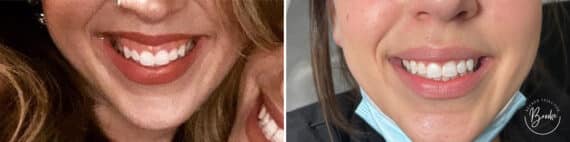

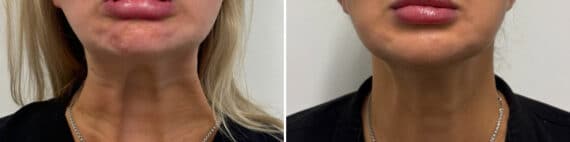
* All patients are unique and individual results may vary.
Alternatives to Masseter Botox
Exploring alternatives can be helpful for individuals who want jawline refinement without relying solely on muscle relaxation. Some patients prefer options that provide added structure or address underlying concerns more directly. Understanding these choices can also help you avoid common side effects if muscle reduction is not ideal for your facial anatomy. The following alternatives offer different approaches to contouring, comfort, and lower face support.
Non-surgical Options
If you prefer to avoid surgery, several treatments can help keep the jawline firm and lifted. Dermal fillers can restore volume in areas where the face has begun to droop, while microneedling, laser therapy, and focused ultrasound work to stimulate collagen for a natural tightening effect. These options support tissue strength, reduce sagging, and maintain a smoother contour without downtime.
Surgical Alternatives
For individuals seeking longer-lasting improvement, surgical procedures can directly address deeper structures that contribute to lower face laxity. A facelift or neck lift can correct facial sagging by tightening underlying tissue and removing excess skin, creating a more defined jawline and smoother chin-to-neck transition. While these approaches require a longer recovery period than injectables, the results are more durable and provide a noticeable enhancement in overall contour.
Natural Remedies and Exercises
Simple at-home habits can support a healthier lower face appearance over time. Gentle facial exercises and daily massage may improve muscle tone and circulation, giving the skin a fresher and more energized look. These practices are easy to incorporate into your routine, but they are best seen as supportive additions rather than replacements for clinical treatments. Think of them as tools that complement professional care while helping maintain overall facial wellness.
Struggling with Jowls?
Experience world-class treatment from our top-rated providers at Becker Aesthetics & Plastic Surgery.
Ready to Try Masseter Botox? Talk to an Expert First
Choosing a skilled and experienced provider is essential because masseter injections require a deep understanding of how lower face muscles support the skin. An experienced specialist can determine the ideal balance between muscle reduction and structural support, helping you avoid unwanted changes while still achieving your goals.
At Becker Aesthetics & Plastic Surgery, every facial plastic surgeon is trained to evaluate facial anatomy with precision and tailor masseter Botox treatments to your unique needs. Our team includes leaders in facial procedures and jawline refinement, making your results both natural and safe.
Visit our contact page to schedule a consultation or check our locations page for the phone number in your city.