Quick Answer: Revision rhinoplasty typically costs between $10,000 and over $60,000, with an average price of approximately $30,000. The six main factors affecting cost are surgical complexity, surgeon expertise, anesthesia fees, facility location, additional expenses, and combined procedures. Functional revisions that correct breathing problems may also qualify for partial insurance coverage.
Have you been wondering what it really takes to fix a prior nose job that didn’t turn out as expected? Revision rhinoplasty is a complex procedure that can restore both form and function, offering new hope after a second surgery. This is the stage where revision surgery becomes the true cost of moving forward with confidence.
Choosing revision rhinoplasty means placing your trust in a specialist with extensive rhinoplasty experience who can address structural issues and refine aesthetics. If you are considering this next step, understanding what affects cost and outcomes will help you make informed decisions as you begin exploring your options.

Key Takeaways: 6 Factors That Affect the Cost of Revision Rhinoplasty
- Insurance may cover medically necessary corrections: Functional revisions addressing breathing problems, nasal obstruction, or a deviated septum may qualify for partial insurance coverage, while purely cosmetic procedures typically do not.
- Revision rhinoplasty costs vary significantly: Prices generally range from $10,000 to over $60,000, averaging around $30,000 depending on surgical requirements and individual patient needs.
- Surgical complexity influences the overall price: Correcting scar tissue, rebuilding nasal structures, and using cartilage grafts can increase operating time and surgical expenses.
- Surgeon expertise and facility fees affect pricing: Experienced revision rhinoplasty specialists may charge higher fees, while anesthesia, surgical facility standards, and location contribute to the total cost.
- Additional procedures and recovery expenses increase costs: Consultations, imaging, follow-up care, and combining revision rhinoplasty with other cosmetic treatments can increase the overall investment.
How Much Does Revision Rhinoplasty Cost?
Revision rhinoplasty can vary widely in price, with the true cost ranging from around 10,000 dollars to more than 60,000 dollars. A typical secondary rhinoplasty often averages close to 30,000 dollars, depending on the complexity of the work required. Factors such as surgeon experience, surgical technique, and whether cartilage grafting is needed can all influence the final investment.
Factors That Affect the Pricing of Revision Rhinoplasty
Understanding what influences revision rhinoplasty pricing can help you see how each component contributes to the final investment. Because no two cases are alike, factors such as surgical complexity, provider expertise, and the need for additional procedures all play meaningful roles. The sections below outline the key elements that shape your overall cost.
1. Complexity of the Procedure
The complexity of revision rhinoplasty often depends on how much the previous nose surgery altered the nasal structure and what needs to be corrected. Surgeons may need to navigate scar tissue, rebuild support, or address issues caused by the type of rhinoplasty procedure performed before. Cases requiring open rhinoplasty can involve more detailed work and precise incisions, increasing both time and technical demand. As challenges grow, so does the overall cost of the procedure.
2. Expertise of the Surgeon
Surgeon fees reflect not only the time spent in the operating room but also the surgical skill required to correct complex nasal issues. An experienced surgeon who specializes in revision rhinoplasty typically has higher surgical fees due to advanced training and proven outcomes. These surgeon fees often vary widely, but investing in a qualified expert can improve both safety and aesthetic results.
3. Anesthesia Fees
The cost of anesthesia is another important factor in determining your total revision rhinoplasty investment. Because any cosmetic surgery requires careful monitoring, anesthesia services must be provided by a qualified professional to ensure safety throughout the procedure. The duration and complexity of the surgery can increase anesthesia needs, which may influence the final cost associated with your revision.
4. Location and Facility Fees
Where your revision rhinoplasty takes place can also influence cost, especially when surgical centers have varying overhead costs tied to staffing, equipment, and facility standards. Higher-quality centers may charge more due to enhanced safety protocols or advanced technology. These differences in operational expenses can lead to significant variation in overall pricing.
5. Additional Costs
Revision rhinoplasty pricing can extend beyond the surgical total when additional expenses are considered. Patients may encounter extra costs related to the consultation, imaging, and essential post-operative care that ensures proper healing. Subsequent follow-up visits can also add to the overall investment. Being aware of these additional expenses helps you plan more accurately for the full financial scope of your procedure.
6. Additional Procedures
Some patients choose to combine their revision rhinoplasty with other facial surgeries or complementary cosmetic procedures to enhance overall facial balance. Adding additional treatments can extend the total operating time and may require more resources, which increases the overall price. While optional, these combined procedures can offer more comprehensive results for those seeking broader aesthetic improvements.
Cosmetic Rhinoplasty Surgery Results
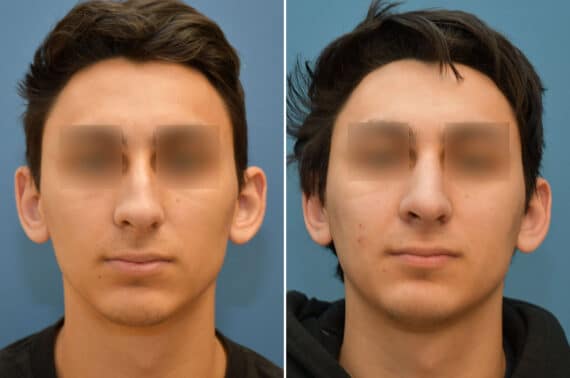
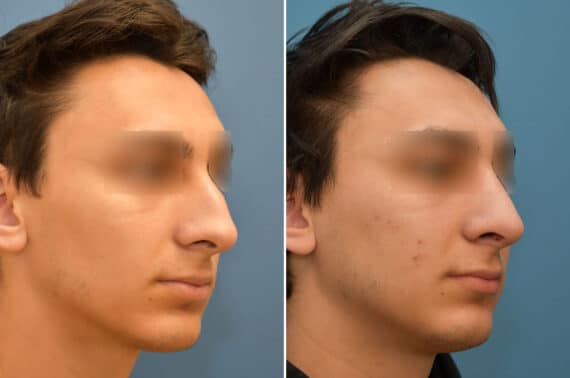
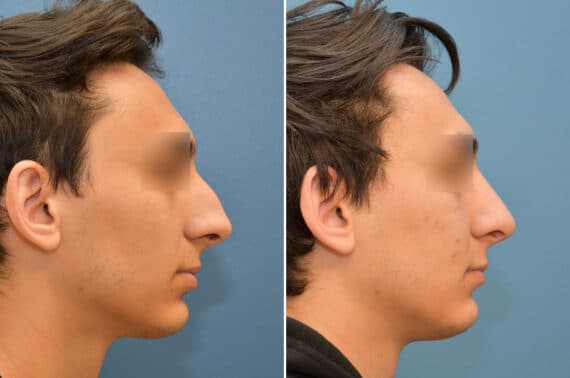
* All patients are unique and individual results may vary.
Is it Purely Cosmetic or Functional Rhinoplasty Revision?
When a revision is performed mainly for cosmetic reasons, the cost usually reflects adjustments meant to improve symmetry, refine shape, or address concerns from a secondary nose job. These cases may still be complex but typically focus on aesthetic refinements rather than medical issues created by a previous surgery. As a result, the price may remain closer to the standard revision range.
When functional issues like nasal obstruction are present, the revision becomes more involved and may require a septorhinoplasty to restore proper breathing. Correcting structural damage from the previous surgery often requires advanced techniques, additional grafting, and longer operating times. These added steps increase total cost but also improve long term surgical outcomes and overall quality of life.
| Feature | Cosmetic Revision Rhinoplasty | Functional Revision Rhinoplasty |
|---|---|---|
| Primary Goal | Improve nasal shape, symmetry, and overall appearance | Restore nasal function and improve breathing |
| Common Concerns | Asymmetry, undesired contours, and aesthetic concerns from previous surgery | Deviated septum, nasal obstruction, or nasal valve collapse |
| Surgical Approach | Reshaping or refining nasal structures | Structural correction, sometimes involving septorhinoplasty |
| Complexity | Depends on the extent of aesthetic correction | May require extensive reconstruction and cartilage grafting |
| Insurance Coverage | Generally not covered | May qualify for partial coverage if medically necessary |
| Cost Considerations | Typically paid out of pocket | Depends on surgical requirements and possible insurance benefits |
Is Revision Rhinoplasty Covered by Insurance?
Insurance coverage for revision rhinoplasty depends largely on the type of procedure being performed. If your revision addresses aesthetic concerns similar to those from your first rhinoplasty, insurance typically will not contribute since the surgery is considered elective and not medically necessary.
However, if the revision is required to correct functional issues such as a deviated septum, nasal valve collapse, or other breathing problems, insurance may cover part of the cost. In these cases, the medical necessity must be clearly documented by a doctor to qualify for coverage, ensuring that the procedure is recognized as more than cosmetic.
Struggling with Bad Results After Rhinoplasty?
Experience world-class treatment from our top-rated providers at Becker Aesthetics & Plastic Surgery.
Consult with an Expert Rhinoplasty Surgeon
Choosing an experienced specialist for revision rhinoplasty is essential because correcting the results of a primary rhinoplasty requires advanced skill, technical precision, and an in-depth understanding of nasal anatomy. A surgeon with an extensive background in facial procedures can address both cosmetic and functional concerns to help ensure a safer and more predictable outcome.
At Becker Aesthetics & Plastic Surgery, our team includes more than one expert facial plastic surgeon with decades of plastic surgery experience and specialized training in rhinoplasty. Their expertise allows them to correct complex issues from previous surgeries while tailoring results to your unique features. If you are ready to take the next step, visit our contact page to schedule a rhinoplasty consultation or check our locations page for the phone number in your city.
Frequently Asked Questions About Revision Rhinoplasty Costs