Rhinoplasty Philadelphia (Nose Job)
Medically reviewed by: Daniel G. Becker, MD, FACS
Board-Certified Facial Plastic Surgeon & Rhinoplasty Specialist
View full bio | Instagram
Rhinoplasty is a highly personalized procedure designed to improve both the appearance and function of the nose. At Becker Aesthetics & Plastic Surgery, our Philadelphia rhinoplasty surgeons take the time to understand your goals, creating results that feel balanced, natural, and uniquely you.
Because the nose plays such a central role in facial harmony, even subtle changes can make a meaningful difference in both appearance and confidence. Whether you want to refine the shape of your nose, improve breathing, or address concerns you’ve had for years, our team combines advanced surgical expertise with a personalized approach to help you feel more comfortable and confident in your appearance.





Key Takeaways About Rhinoplasty
- Rhinoplasty can improve nasal shape, size, symmetry, facial balance, and in some cases, breathing function.
- The right approach depends on your anatomy, goals, nasal structure, and whether the concern is cosmetic, functional, or both.
- Primary rhinoplasty is for first-time patients, while revision rhinoplasty corrects or refines results from a previous nose surgery.
- Techniques such as open rhinoplasty, closed rhinoplasty, tip rhinoplasty, septorhinoplasty, or ethnic rhinoplasty may be recommended based on individual needs.
- Recovery is gradual, with early improvements visible within weeks and final refinement typically developing over about one year.
Benefits of Rhinoplasty
Rhinoplasty can improve the way the nose looks, functions, or both. For many patients, even small changes can make the nose feel more balanced with the rest of the face.
Possible benefits include:
- Improving nasal balance and facial harmony
- Refining the bridge, nasal tip, or nostrils
- Improving symmetry or correcting a crooked appearance
- Addressing breathing concerns when structural issues are involved
- Repairing changes from trauma or previous injury
- Helping patients feel more comfortable with their appearance
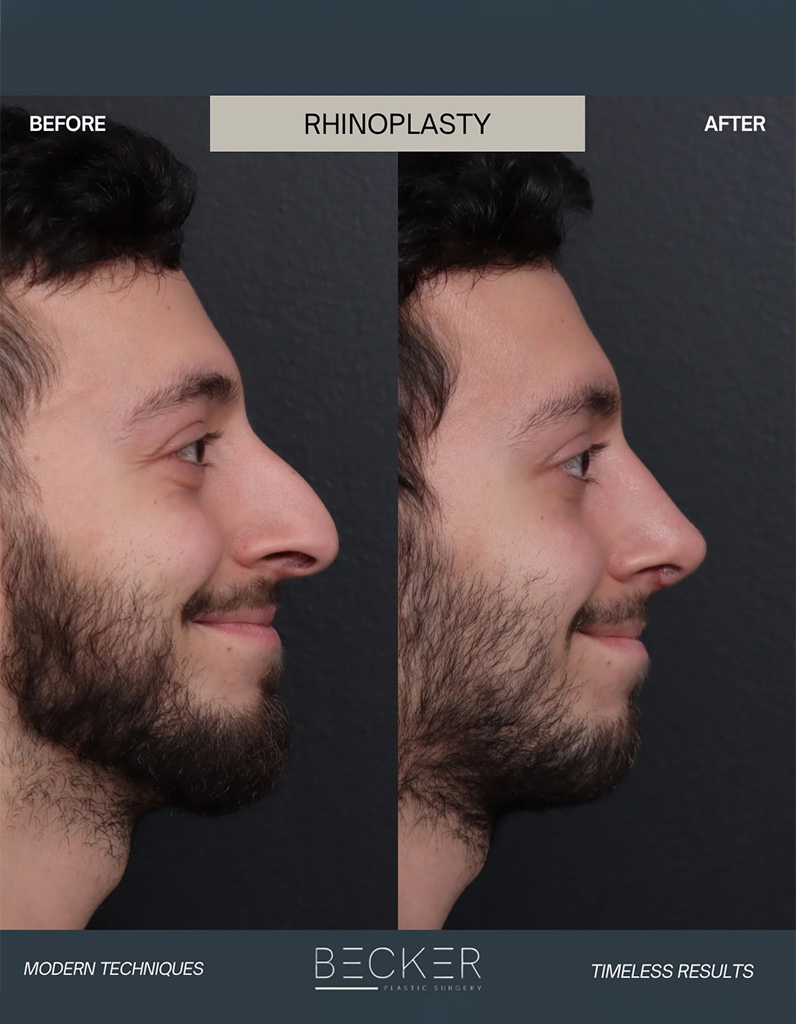
What is Primary Rhinoplasty Surgery?
Primary rhinoplasty surgery is a transformative procedure designed specifically for first-time patients seeking to improve the aesthetic appearance or functionality of their noses. Unlike revision rhinoplasty, which corrects previous surgeries, primary rhinoplasty offers a fresh opportunity to enhance facial harmony and balance.
This procedure is ideal for individuals looking to address concerns such as nasal shape, size, or structural issues that affect breathing. At Becker Aesthetics & Plastic Surgery, we understand the unique needs of first-time rhinoplasty patients. Our approach is tailored to ensure that each individual receives personalized care, ensuring results that beautifully complement their natural features while achieving their desired outcome.
Dr. Becker has published peer-reviewed research providing a comprehensive overview of rhinoplasty, covering surgical anatomy, preoperative analysis, and technique selection for both cosmetic and functional cases.
Available Rhinoplasty locations
Becker Aesthetics & Plastic Surgery offers rhinoplasty consultations and surgery at multiple convenient locations:
You're in experienced hands.
Every rhinoplasty at our Philadelphia office is performed by a board-certified surgeon with specialized training in facial plastic surgery. You’ll meet your surgeon at your consultation — and they’ll be with you every step of the way.
Watch our Philadelphia rhinoplasty patients share their experience:
Alexa wanted two things: to breathe freely and lose the bump on her bridge. Dr. Schrader delivered both. Her recovery was faster than she expected — barely any swelling, virtually no pain — and the result looks completely natural.
Cosmetic vs. Functional Rhinoplasty
Rhinoplasty may be performed for cosmetic reasons, functional reasons, or a combination of both. The right approach depends on the patient’s goals, nasal structure, and breathing function.
Improve the appearance and balance of the nose.
Improve nasal breathing and correct structural issues.
Dorsal hump, bulbous tip, wide bridge, asymmetry, nostril shape, crooked appearance.
Deviated septum, nasal valve collapse, enlarged turbinates, trauma-related obstruction, breathing difficulty.
Nasal bridge, tip, nostrils, overall shape, facial harmony.
Internal nasal structures, airway support, septum, valves, turbinates.
A more natural-looking and balanced nasal appearance.
Easier breathing and improved nasal function.
Usually considered elective.
May involve insurance consideration when medically necessary and properly documented.
Yes. Cosmetic changes can be combined with functional correction when appropriate.
Yes. Functional correction can be combined with cosmetic refinement when appropriate.
Rhinoplasty Results on Real Patients
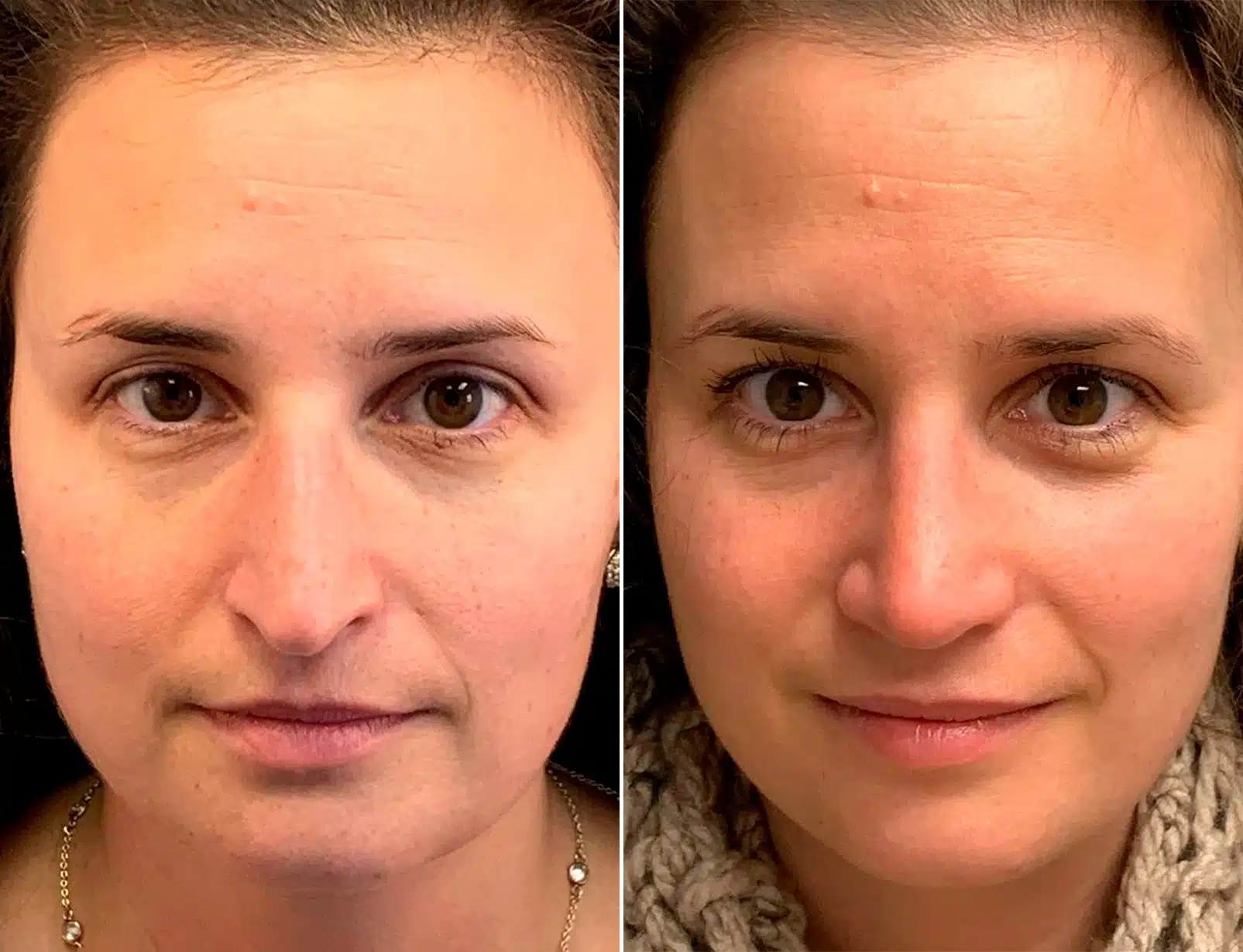
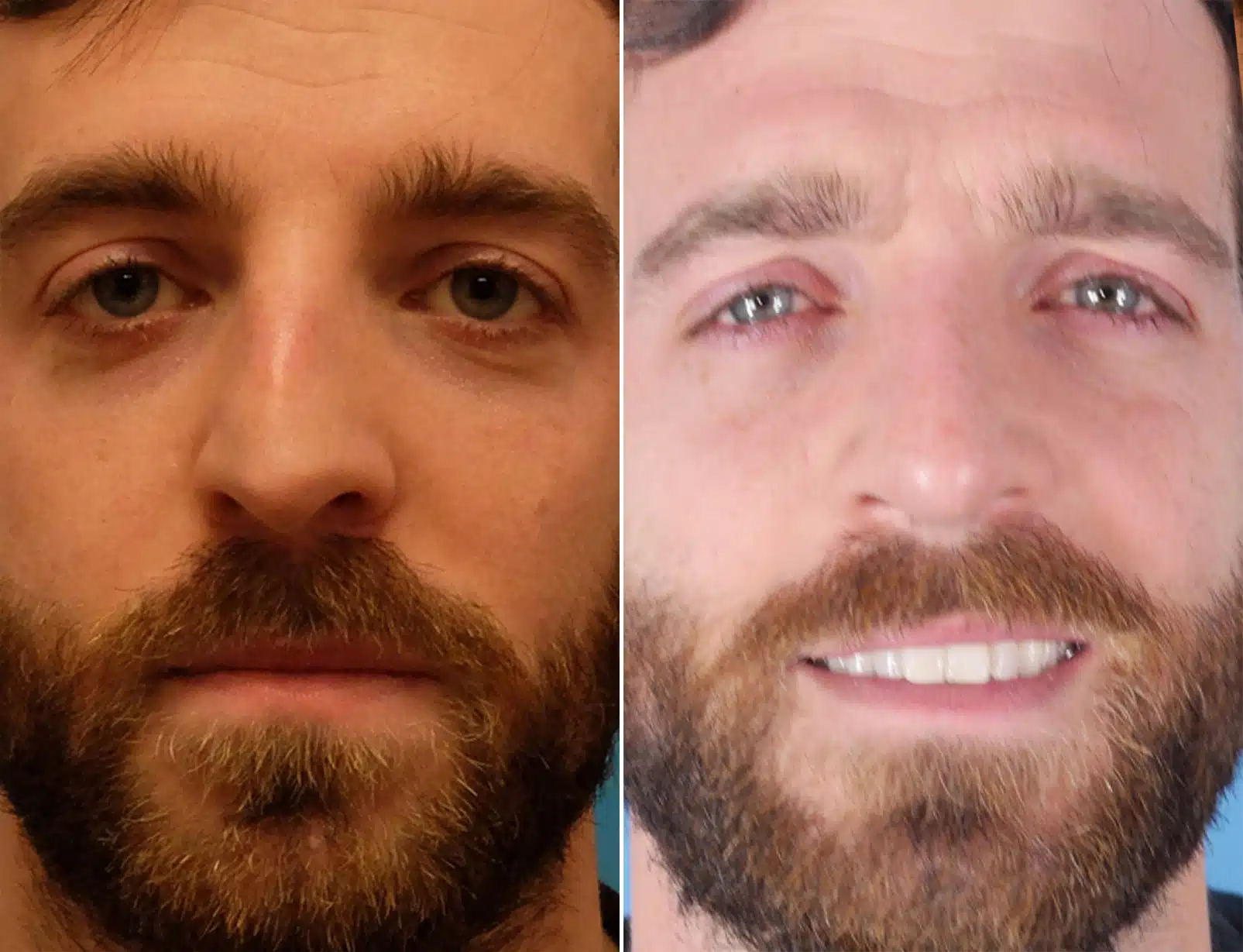
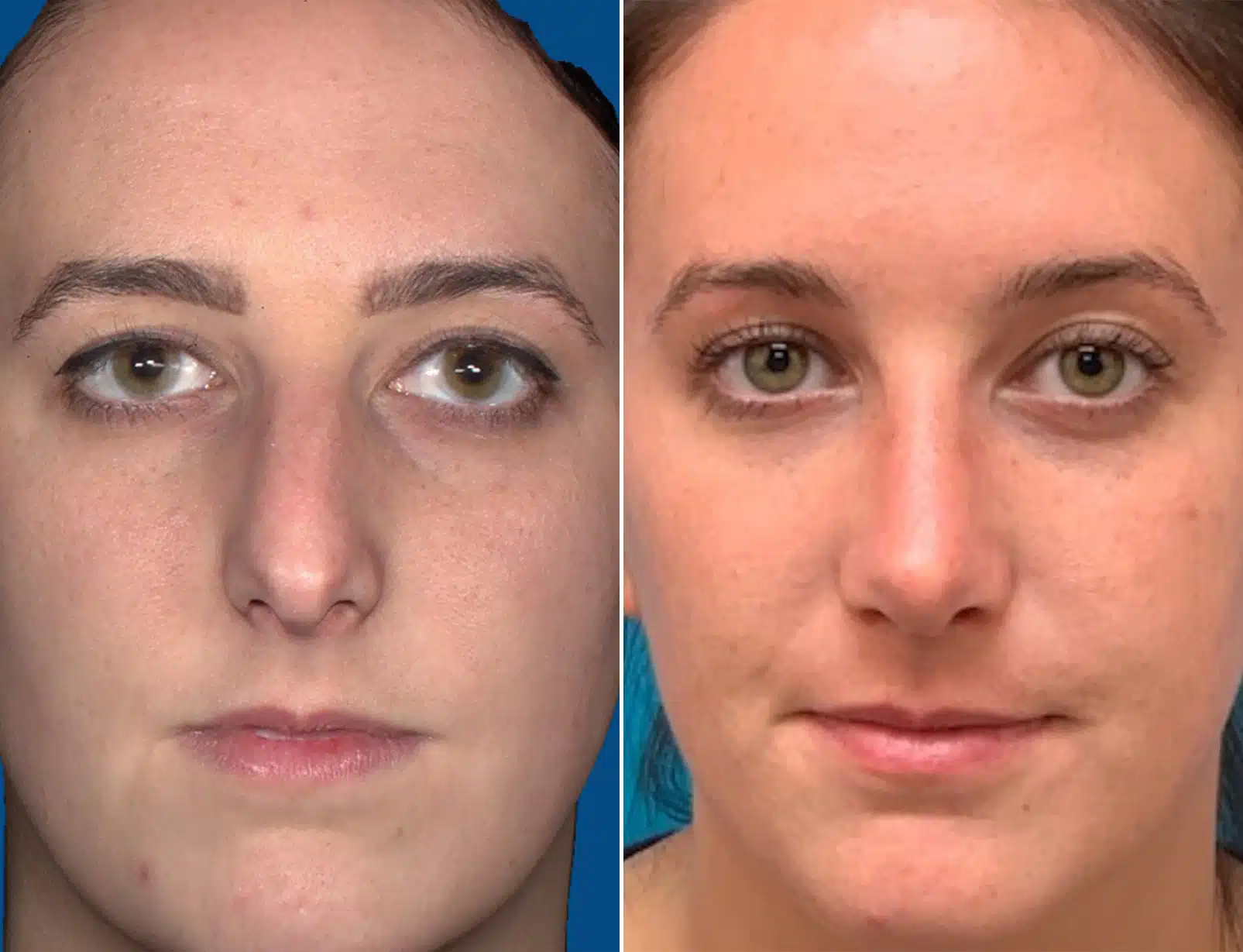
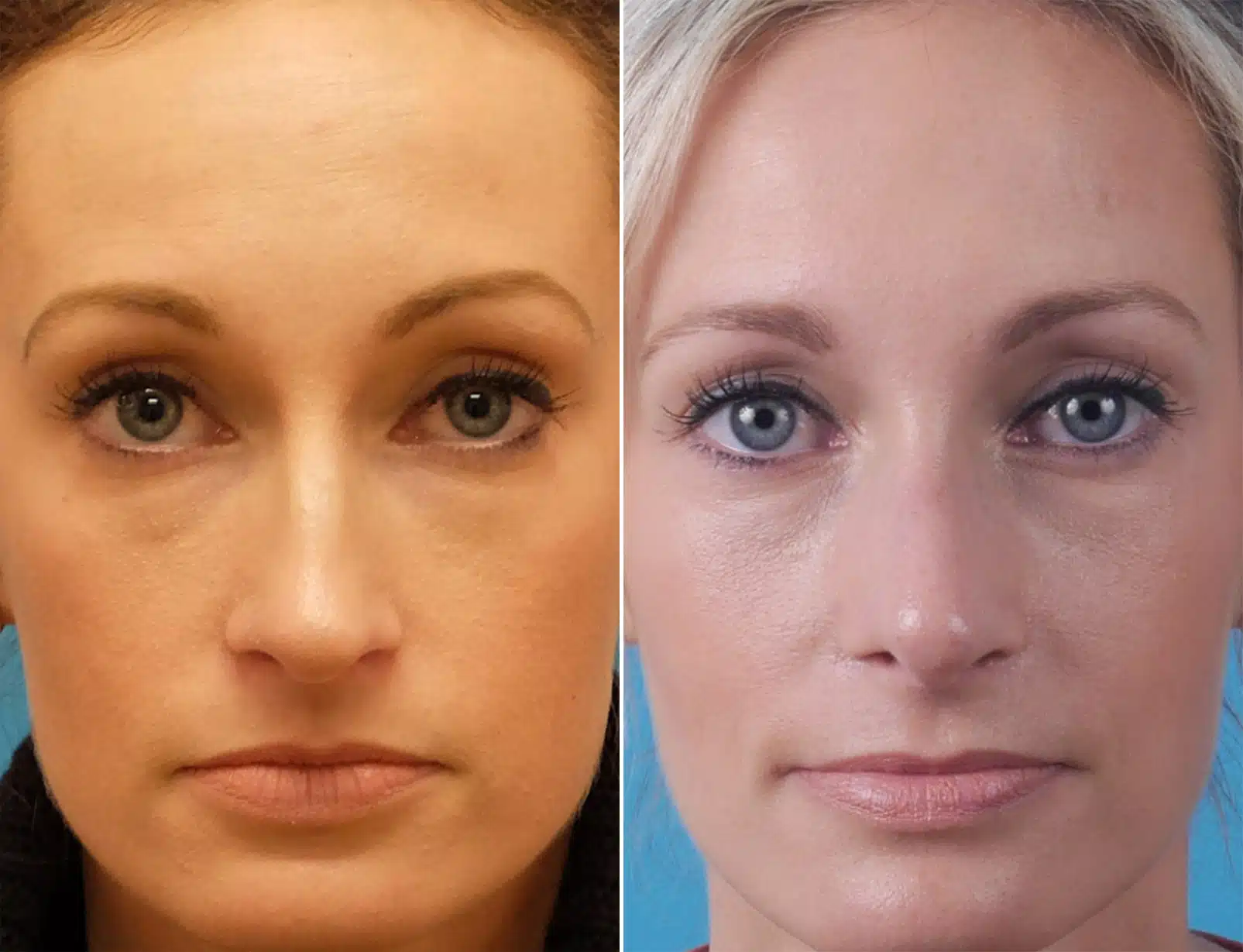
* All patients are unique and individual results may vary.
Types of Rhinoplasty Offered in Philadelphia
Different rhinoplasty techniques may be used depending on your goals, nasal structure, breathing function, and whether this is a first-time or revision procedure.
- Best For: More complex reshaping, major structural changes, or revision cases.
- What to Know: Uses a small incision across the columella to give the surgeon greater visibility and control.
Closed Rhinoplasty
- Best For: Minor to moderate cosmetic changes.
- What to Know: Incisions are made inside the nostrils, so there is no visible external incision.
Tip Rhinoplasty
- Best For: Refining a bulbous, drooping, wide, or asymmetric nasal tip.
- What to Know: Focuses mainly on the nasal tip and may be performed with an open or closed approach.
Septorhinoplasty
- Best For: Breathing issues combined with cosmetic concerns.
- What to Know: Addresses both nasal appearance and function, such as a deviated septum or structural obstruction.
- Best For: Patients who want refinement while preserving natural facial identity.
- What to Know: Focuses on balanced, natural-looking changes that respect the patient’s features and background.
Your surgeon will recommend the most appropriate approach after evaluating your nasal anatomy, breathing function, and personal goals.
What Our Philadelphia Patients Say
“Absolutely amazing experience. I had a rhinoplasty and she did exactly what I hoped she would do and more. The before and after is truly life changing and I couldn't recommend her more. Everything was so planned out and well scheduled and everything went to smooth!”
Lana Eichenbaum

Rhinoplasty Recovery Timeline: What to Expect After Your Procedure
Rhinoplasty recovery happens gradually. Most patients see early improvements within the first few weeks, while final refinement can take up to a year. Your surgeon will provide personalized recovery instructions based on your procedure and healing process.
What to Expect
Days 1-3: Immediate Post-Surgery
Swelling, bruising, congestion, and mild discomfort are common. Rest, keep your head elevated, and avoid touching or blowing your nose.
Days 4-7: The First Week
Swelling and bruising may begin to improve. Your splint may still be in place, and a follow-up visit is usually scheduled around this time.
Weeks 2-4: Subtle Healing
Many patients return to work or light daily activities. The nose may still feel tender, so avoid heavy lifting, strenuous activity, and anything that could impact the nose.
Weeks 5-6: Recovery Progress
Swelling continues to decrease, and the nose may start to look more refined. Light activity may resume with your surgeon’s approval.
Months 3-6: Long-Term Recovery
Most swelling has improved, though subtle swelling may remain, especially near the nasal tip. The shape of the nose continues to refine.
Month 12: Final Results
Final results are typically more visible as residual swelling resolves and the nose settles into its new shape.
Every patient heals differently. Following your post-operative instructions and attending follow-up appointments can help support a smoother recovery.
Unique Aspects of Primary Rhinoplasty Compared to Revision Rhinoplasty Procedures
| Rhinoplasty | Revision Rhinoplasty | |
|---|---|---|
| Aspect | It can be more difficult due to the presence of scar tissue | changes in the nasal structure |
| Purpose | Aims to reshape or resize the nose to enhance facial aesthetics or improve nasal function. | Corrects or modifies results from a previous rhinoplasty |
| Nasal Structure | Surgeons work with the original nasal structure | which is intact and untouched by previous surgeries. |
| Aesthetic Goals | Allows for more straightforward planning and execution to align with the patient’s original aesthetic goals. | Adjustments are often made to improve or fix the results of a previous surgery |
| Challenges | Typically presents fewer challenges as the nasal tissue is fresh | making reshaping more predictable. |
| Recovery | Recovery is generally more straightforward as there is no prior surgical interference or scar tissue to consider. | Recovery can be more complex and prolonged due to the need to navigate scar tissue and potentially unpredictable healing. |
| Surgical Precision | Surgeons have more flexibility in achieving a balanced and natural-looking result due to the untouched tissue. | Surgeons must carefully plan around previous alterations |
| Suitability | Best suited for first-time patients seeking to address cosmetic or functional issues with a natural appearance. | Ideal for patients who are dissatisfied with the results of their first surgery or have unresolved functional problems. |
| Scar Tissue | No scar tissue is present | allowing for cleaner and more precise adjustments to the nose. |
| Surgeon Expertise | Requires high-level skill in planning and achieving natural facial harmony in a first surgery. | Demands advanced expertise to work with altered structures and correct complications from previous procedures. |
Rhinoplasty Cost in Philadelphia
What Affects Rhinoplasty Cost in Philadelphia
Rhinoplasty cost in Philadelphia depends on surgeon expertise, anesthesia, facility fees, and whether the procedure is cosmetic, functional, reconstructive, or revision-based.
Factors That Affect Pricing
- Type of rhinoplasty procedure performed
- Revision versus first-time surgery
- Need for cartilage grafting or structural repair
- Functional correction for breathing issues
- Anesthesia and surgical facility considerations
Cosmetic rhinoplasty is typically elective, while functional nasal surgery may involve insurance considerations when breathing issues or structural concerns are documented.
Detailed pricing is reviewed during consultation.
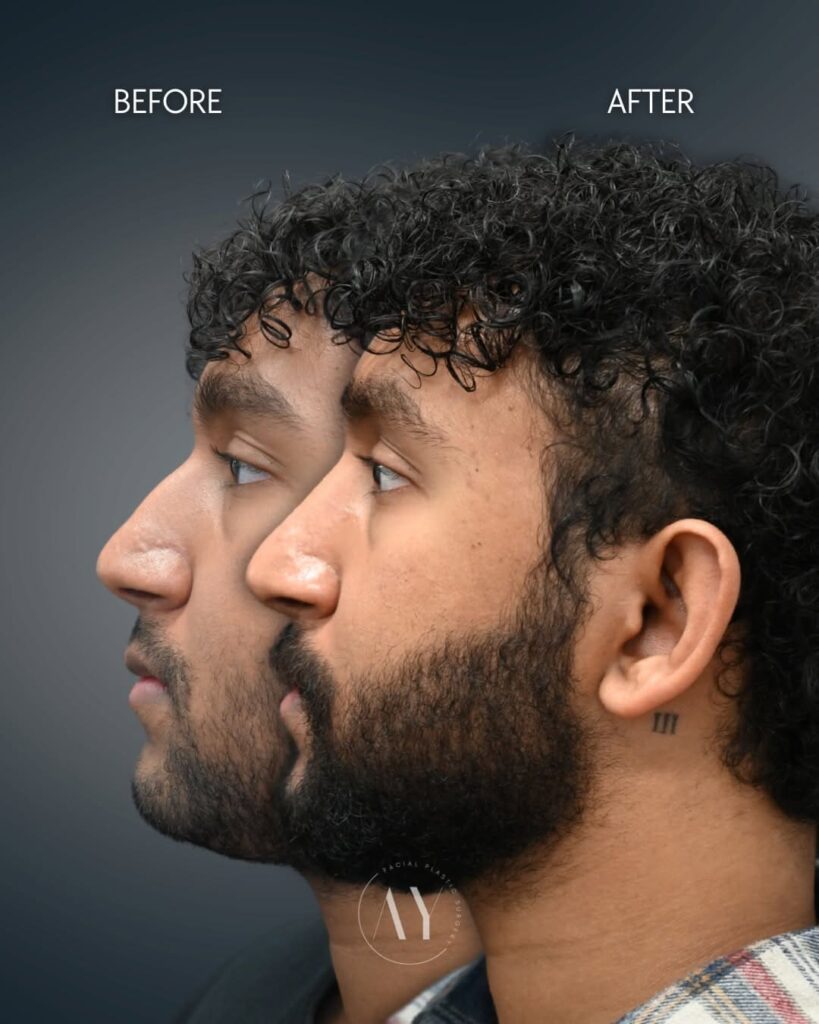
Rhinoplasty Results and Longevity
Timeline for Final Results
- Visible improvements within several weeks
- Ongoing refinement over several months
- Final nasal contours continuing to develop over the course of about one year
Long-Term Satisfaction
When properly planned and executed, rhinoplasty offers long-lasting results with improved facial balance and, when applicable, better nasal function.
Dr. Becker’s work on reductive, structural, and preservation rhinoplasty reflects the evolving philosophy that long-term results depend not just on what is removed, but on how nasal structure is maintained and supported throughout the healing process.
Risks and Complications of Rhinoplasty
Rhinoplasty is generally safe when performed by an experienced surgeon, though all surgery carries some risk.
Common Side Effects:
Temporary effects may include:
- Swelling and bruising
- Nasal stiffness or congestion
- Mild discomfort
- Temporary changes in sensation
Rare Surgical Risks:
Common risks may include:
- Infection
- Bleeding
- Noticeable scarring
- Need for revision surgery
Dr. Becker has published dedicated research on reducing complications in rhinoplasty, identifying the planning and technique decisions that most consistently lead to safe, predictable outcomes.
Areas We Serve for Rhinoplasty in Philadelphia
- Bryn Mawr
- Conshohocken
- Elkins Park
- Plymouth Meeting
- Main Line
Many patients travel from these areas to our Philadelphia office for specialized rhinoplasty care and personalized treatment plans.
How to Choose the Best Rhinoplasty Surgeon in Philadelphia
When searching for the best rhinoplasty surgeon in Philadelphia, patients should consider several key factors:
- Board certification and specialized training in facial plastic surgery
- Experience performing complex rhinoplasty procedures
- Consistent, natural-looking before and after results
- A personalized approach to facial balance and aesthetics
Becker Aesthetics & Plastic Surgery meets all of these criteria, providing patients with expert care and a focus on achieving refined, natural results.
Why choose the Doctors at Becker Aesthetics & Plastic Surgery
Our practice is home to a diverse and comprehensive team of board-certified surgeons and aesthetic specialists. By bringing together a wide range of expertise and decades of combined experience, we ensure that every patient receives the highest standard of comprehensive care. Get to know some of the dedicated professionals behind our outstanding, natural-looking results.
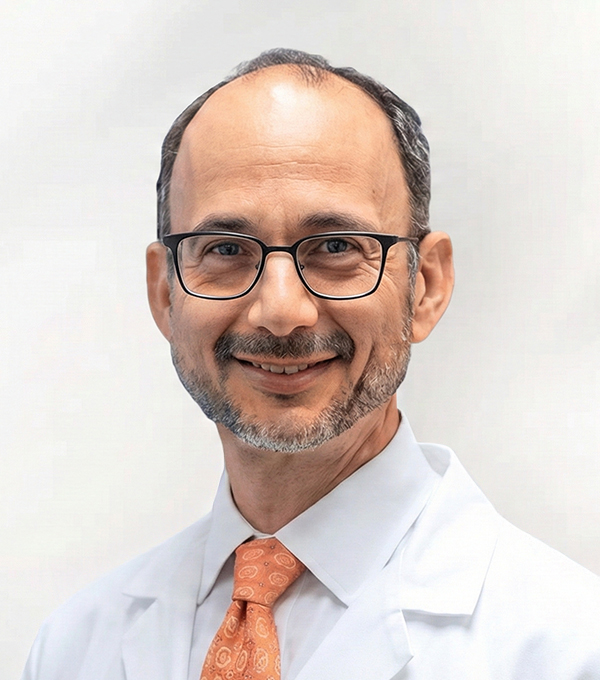
- Board Certified by the American Board of Otolaryngology (ENT).
- Board Certified by the American Board of Facial Plastic and Reconstructive Surgery (ABFPRS).
- Fellow of the American College of Surgeons (FACS).
- Top-Rated by US News and World Report, Philadelphia Magazine, South Jersey Magazine, Castle-Connelly, and others.
- Read more about rhinoplasty specialist Dr. Becker’s credentials
Rhinoplasty FAQs
Does insurance cover part of the rhinoplasty surgery cost?
If you need nose surgery to correct a breathing problem, insurance may cover it. Be prepared to work with your physician’s office to get the documentation submitted correctly, and check your policy carefully before proceeding.
How long does a rhinoplasty last?
Rhinoplasty results are typically permanent. Once the nose is fully healed, the changes remain for a lifetime, although natural aging may slightly alter the nose’s appearance over time.
At what age can you get rhinoplasty?
Rhinoplasty is usually performed after facial growth is complete, around 15-17 years for girls and 17-19 years for boys. This ensures stable, lasting results.
How long is recovery after rhinoplasty?
Initial recovery takes about 1-2 weeks, with swelling and bruising improving significantly. Full healing and final results can take up to 12 months as residual swelling gradually resolves.
I’m nervous because there is no “undo” on this procedure (nose job). What will I look like?
The rhinoplasty surgeons at Becker Aesthetics & Plastic Surgery do not advise making radical changes to your nose. Your surgical results will be subtle. We can also take your photo and review it using advanced modeling software to give you an idea of your results.
What rhinoplasty office is near me?
If you live in the states of Philadelphia, Becker Aesthetics & Plastic Surgery offers rhinoplasty among its services. For a full list of services, please visit our Locations page.
Daniel G. Becker, MD, FACS is a board-certified facial plastic surgeon and rhinoplasty specialist with extensive experience in cosmetic and functional nasal surgery. He is board certified by the American Board of Otolaryngology and the American Board of Facial Plastic and Reconstructive Surgery and has authored peer-reviewed publications on rhinoplasty and facial plastic surgery.