Rhinoplasty is often thought of as a cosmetic procedure focused on reshaping the nose. But the nose is also a critical part of the respiratory system, and even subtle changes can affect how air flows through the nasal passages. For patients considering a nose job, understanding how rhinoplasty surgery can influence breathing is essential to achieving results that look good and function well.
At experienced rhinoplasty practices, surgical planning balances aesthetics with nasal breathing from the very beginning. When performed thoughtfully, rhinoplasty can preserve—or even improve—breathing function while refining the appearance of the nose.

How Rhinoplasty Surgery Can Affect Breathing
- Rhinoplasty affects both appearance and function. Because the nose plays a key role in breathing, surgical planning must consider airflow as well as cosmetic goals.
- Breathing may feel restricted temporarily after surgery. Swelling, congestion, and internal splints during early recovery can make breathing more difficult, but this usually improves as healing progresses.
- Rhinoplasty can improve breathing when functional issues are treated. Procedures such as septoplasty, turbinate reduction, or nasal valve support can help correct structural causes of nasal obstruction.
- Careful surgical planning protects long-term airflow. Experienced surgeons evaluate nasal anatomy to avoid complications like airway narrowing or valve collapse.
- Choosing an experienced rhinoplasty surgeon is essential. A thorough consultation and functional assessment help ensure results that support both healthy breathing and natural-looking aesthetics.

Why Nasal Breathing Matters in Rhinoplasty Surgery
The nose is responsible for filtering, humidifying, and directing airflow to the lungs. Structural changes to the septum, nasal valves, turbinates, and nostrils can all influence breathing. Because rhinoplasty alters these structures, surgeons must carefully evaluate nasal function as part of the rhinoplasty procedure.
A well-planned rhinoplasty surgery considers both cosmetic goals and the internal anatomy that supports healthy airflow. While some patients benefit from functional improvements alongside cosmetic refinement, not all aesthetic changes are related to breathing. Surgeons assess nasal structure on a case-by-case basis to determine whether airflow correction is needed.
Rhinoplasty Patient Results
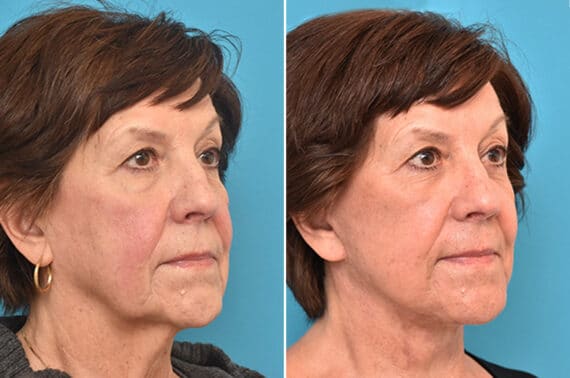
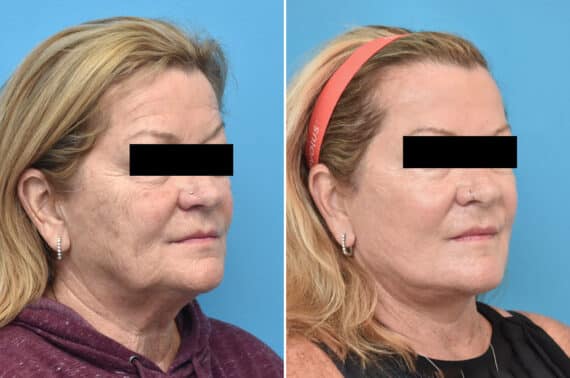

* All patients are unique and individual results may vary.
Managing Breathing Changes After Rhinoplasty Recovery
Temporary breathing changes are common early in recovery and usually resolve as healing progresses.
Short-Term Breathing Changes After Rhinoplasty Surgery
Immediately after nasal surgery, swelling inside the nose can restrict airflow. This is a normal part of rhinoplasty recovery.
Managing Swelling and Nasal Congestion
Post-operative nasal congestion is expected during the first weeks after surgery. Swelling within the nasal passages can make breathing feel difficult, even if airflow is structurally intact. As swelling decreases, breathing typically improves.
Internal Splints and Nasal Packing
Some rhinoplasty procedures involve internal splints or temporary packing to support healing. While these can contribute to congestion initially, they are removed early in recovery and are part of protecting long-term rhinoplasty results.
Struggling with Vertigo After Rhinoplasty?
Experience world-class treatment from our top-rated providers at Becker Aesthetics & Plastic Surgery.
Long-Term Breathing Improvements After Rhinoplasty
In many cases, rhinoplasty surgery can lead to improved nasal breathing when functional concerns are addressed.
Septoplasty and the Nasal Septum
A deviated septum can obstruct airflow through one or both nostrils. Septoplasty straightens the septum, creating a clearer airway and improving nasal breathing.
Turbinate Reduction for Nasal Obstruction
Enlarged turbinates can contribute to chronic nasal congestion. Turbinate reduction may be performed alongside rhinoplasty to improve airflow while preserving the nose’s natural filtering function.
Nasal Valve Support to Prevent Collapse
The nasal valves are the narrowest part of the airway and a common source of breathing problems. Structural support using cartilage grafts can help prevent collapse and maintain airflow during and after rhinoplasty surgery.
When Rhinoplasty Can Improve Breathing Problems
For some patients, rhinoplasty is not only cosmetic but also functional.
Breathing Difficulties Addressed by Rhinoplasty
Rhinoplasty surgery may address:
- Deviated septum causing nasal obstruction
- Narrow nostrils or weak nasal sidewalls
- Structural issues from prior nose surgery
- Trauma-related nasal deformities
When these issues are corrected, patients may experience more comfortable nasal breathing and reduced congestion.
How Functional Adjustments Support Rhinoplasty Results
Functional improvements often complement cosmetic changes when structural airflow issues are present. While certain anatomical corrections may support better breathing, many cosmetic refinements — such as straightening the nasal bridge or adjusting tip shape — are performed primarily for appearance and do not necessarily affect airflow. Evaluation during consultation helps determine when functional correction is appropriate.
Common Breathing Concerns After Rhinoplasty Surgery
While most patients heal without long-term issues, certain factors can affect breathing outcomes.
Narrowing of the Nasal Airway
Over-reduction of nasal structures can lead to airway narrowing. This is why structural support is a key part of modern facial plastic surgery.
Pre-Existing Breathing Problems
Patients with chronic nasal obstruction, nasal polyps, or sinus issues should discuss these symptoms during their rhinoplasty consultation so they can be addressed appropriately.
Post-Operative Swelling and Breathing Symptoms
Swelling may persist for several weeks or months internally, even after visible swelling improves. Patience during rhinoplasty recovery is important.
Risks of Over-Rotation or Over-Narrowing
Excessive tip rotation or narrowing of the nasal bridge can affect airflow. Careful surgical planning helps avoid these complications.
Choosing the Right Rhinoplasty Surgeon for Breathing and Aesthetic Goals
Surgeon experience plays a critical role in protecting nasal function.
Functional Assessment During a Rhinoplasty Consultation
A thorough consultation includes evaluation of nasal breathing, internal anatomy, and any symptoms of obstruction. This assessment guides the surgical plan.
Open vs. Closed Rhinoplasty and Airflow Considerations
Both open rhinoplasty and closed rhinoplasty can produce excellent results. The choice depends on anatomy, goals, and whether structural support or complex corrections are needed.
Diagnostic Tools Used in Rhinoplasty Planning
Physical examination, nasal endoscopy, and imaging such as CT scans may be used to assess internal structures and breathing pathways before surgery.

What to Expect During Rhinoplasty Recovery and Breathing Improvement
Healing is a gradual process, and breathing changes evolve over time.
Managing Congestion During Rhinoplasty Recovery
Saline sprays, humidification, and following post-operative instructions help manage congestion and support healing.
The Timeline for Breathing Improvement
Many patients notice gradual improvement in nasal breathing as swelling decreases. Internal healing continues well beyond the early recovery period.
Typical Healing Milestones
- Week 1: Congestion and swelling are most noticeable
- Month 1–3: Breathing steadily improves
- Beyond 3 months: Final functional outcomes become clearer
When Revision Rhinoplasty May Be Needed for Breathing Problems
In some cases, breathing symptoms persist after surgery.
Warning Signs of Ongoing Nasal Obstruction
Persistent difficulty breathing through the nose, collapse during inhalation, or ongoing congestion should be evaluated by a rhinoplasty surgeon.
Cartilage Grafting in Revision Rhinoplasty
Revision rhinoplasty may involve cartilage grafting to restore structural support and improve airflow while preserving nasal appearance.
A Beautiful Nose Is a Functional Nose
Rhinoplasty should never compromise breathing for appearance. The most successful rhinoplasty results are those that respect nasal function while enhancing facial balance.
At Becker Aesthetics & Plastic Surgery, rhinoplasty procedures are planned with careful attention to both nasal function and facial aesthetics. A rhinoplasty consultation allows patients to discuss breathing concerns, aesthetic goals, and whether functional adjustments may be part of their surgical plan.