Rhinoplasty is one of the most complex and nuanced cosmetic surgery procedures. Whether your goal is to refine the appearance of your nose, improve nasal breathing, or correct issues from a prior surgery, the surgeon you choose plays a critical role in both your results and your overall experience. For patients considering a nose job in Philadelphia and the surrounding Pennsylvania area, understanding what truly matters when selecting a rhinoplasty surgeon can help you make a confident, informed decision.
Rhinoplasty affects not only the appearance of the nose, but also facial balance, nasal structure, and, in many cases, breathing function. Choosing the right plastic surgeon means looking beyond marketing claims and focusing on qualifications that directly influence surgical outcomes.
What to Look for in a Rhinoplasty Surgeon in Philadelphia
- Choose a surgeon who specializes in facial plastic surgery. Rhinoplasty requires detailed knowledge of nasal anatomy and facial balance, making facial specialization an important factor when selecting a surgeon in Philadelphia.
- Verify credentials and professional training. Board certification, formal surgical training, and professional affiliations help confirm that a rhinoplasty surgeon meets established medical standards.
- Review experience and surgical results. Looking at before-and-after photos and discussing the surgeon’s experience with primary, revision, and functional rhinoplasty can provide insight into their approach and outcomes.
- Evaluate the overall patient experience. Clear communication, thorough consultations, and positive patient feedback often indicate a practice that prioritizes patient education and support.
- Confirm safety and facility standards. Accredited surgical facilities, hospital privileges, and proper anesthesia protocols are essential for maintaining safety during rhinoplasty procedures.
- These qualifications can help patients make a more confident decision when choosing a rhinoplasty surgeon in Philadelphia, ensuring both aesthetic goals and nasal function are carefully considered.
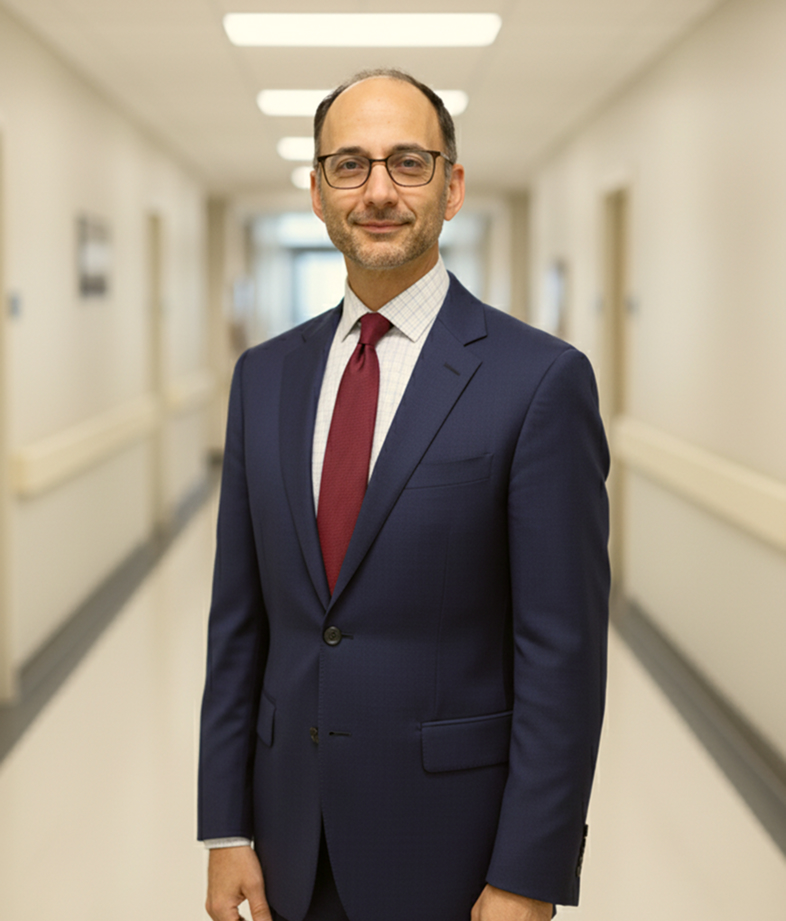
1. Look for Facial Specialization
Not all plastic surgeons focus on the face. Because rhinoplasty is a facial surgery involving delicate structures, specialization matters.
Why Facial Plastic Surgery Specialization Is Important
Surgeons who focus on facial plastic surgery spend much of their practice working with nasal anatomy, facial proportions, and aesthetic balance. This experience is especially important when addressing concerns such as a crooked nose, nasal tip refinement, or breathing problems.
General Plastic Surgery vs. Rhinoplasty Expertise
While general plastic surgeons perform a wide range of plastic surgery procedures, rhinoplasty specialists typically perform nose surgery more frequently. This experience allows them to refine surgical techniques, manage anatomical variations, and plan procedures that support both cosmetic and functional goals.
The Advantage of Facial Aesthetic Focus
Surgeons with a strong facial plastic surgery background often perform rhinoplasty alongside procedures such as facelift surgery, blepharoplasty, and other facial rejuvenation treatments. This broader facial perspective helps ensure the nose fits naturally within the overall facial structure.
2. Check Credentials and Training
Credentials help verify that a surgeon has completed formal training and maintains professional standards.
Why Credentials Matter
A qualified plastic surgeon should have appropriate education, residency training, and ongoing professional involvement. Many rhinoplasty surgeons also have backgrounds in head and neck surgery or otolaryngology, which can be particularly relevant for functional rhinoplasty and nasal breathing concerns.
How to Verify a Plastic Surgeon’s Background
Patients can review a surgeon’s education, training history, and professional affiliations through official medical boards and practice websites. Transparency and willingness to discuss credentials during a consultation are important signs of professionalism.
Additional Professional Affiliations
Membership in professional organizations related to facial plastic surgery can reflect a commitment to continuing education and evolving surgical techniques, including open rhinoplasty, closed rhinoplasty, and endonasal rhinoplasty approaches.

Struggling with Vertigo After Rhinoplasty?
Experience world-class treatment from our top-rated providers at Becker Aesthetics & Plastic Surgery.
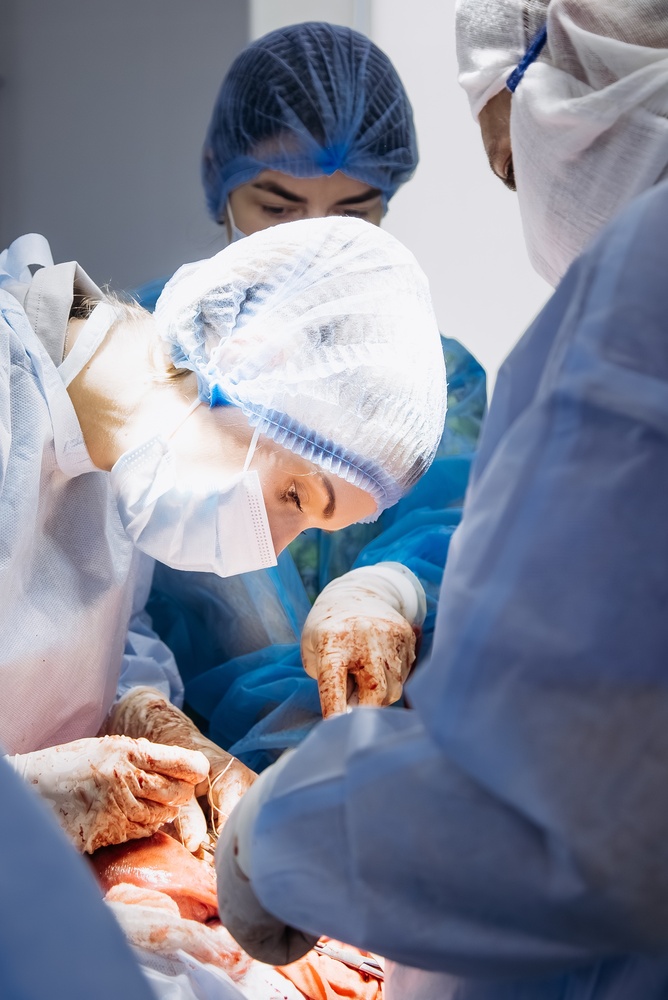
3. Ask About Surgical Experience and Results
Experience matters, especially with a procedure as individualized as rhinoplasty.
Experience With Rhinoplasty Surgery
Patients should feel comfortable asking how frequently a surgeon performs rhinoplasty surgery and whether they handle a range of cases, including primary rhinoplasty, revision rhinoplasty, ethnic rhinoplasty, and functional nasal surgery.
Reviewing Before-and-After Nose Job Results
Before-and-after photos help demonstrate a surgeon’s aesthetic style and consistency. Look for results that appear natural and balanced rather than over-altered. A good rhinoplasty surgeon should be able to explain the surgical plan behind each result.
Understanding Different Rhinoplasty Techniques
Rhinoplasty techniques vary depending on anatomy and goals. A surgeon should be experienced with both open and closed rhinoplasty, scarless rhinoplasty approaches when appropriate, and complex revision cases.
4. Consider the Patient Experience
Technical skill is essential, but so is the overall patient experience.
Communication and Comfort
Rhinoplasty patients should feel heard and understood. A thorough consultation allows the surgeon to learn about your concerns, breathing issues, aesthetic preferences, and expectations for recovery and results.
Evaluating Patient Testimonials
Patient testimonials can offer insight into communication style, follow-up care, and overall satisfaction. While every experience is unique, patterns of positive feedback often reflect a well-run practice.
What to Look for During the Consultation
Pay attention to whether the surgeon explains options clearly, discusses risks and recovery openly, and avoids making guarantees. A thoughtful, measured approach is often a sign of experience.

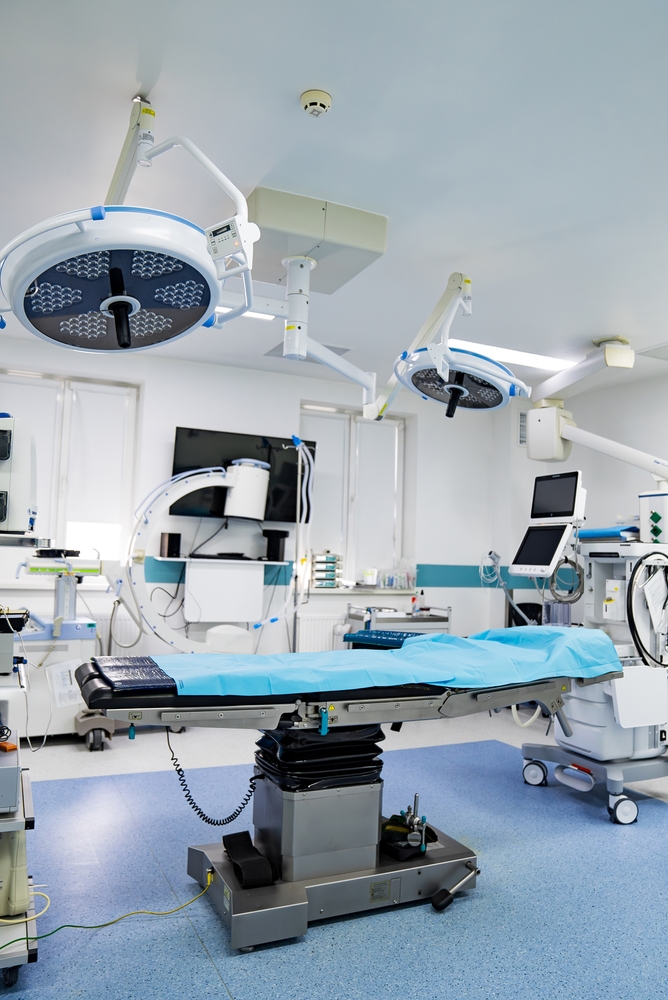
5. Assess the Facility and Safety Standards
Safety is a critical part of any surgical procedure.
Accredited Surgical Facilities
Rhinoplasty surgery should be performed in an accredited surgical facility that meets established safety standards. Accreditation helps ensure proper equipment, trained staff, and emergency preparedness.
Hospital Privileges and Anesthesia Protocols
Surgeons who hold hospital privileges have undergone additional credential review. Clear anesthesia protocols and coordination with qualified anesthesia providers are also important considerations.
Emergency Preparedness and Follow-Up Care
Ask about post-operative care, after-hours support, and how complications are handled should they arise. These factors contribute to a safer and more supportive recovery experience.
What to Expect During a Rhinoplasty Consultation
A rhinoplasty consultation is an opportunity to gather information and determine whether a surgeon is the right fit.
Evaluating Communication Style
The surgeon should explain the rhinoplasty procedure, discuss incision placement, recovery expectations, and how surgical goals align with your facial appearance and nasal function.
Preparing for Your Consultation
Bringing photos, noting breathing concerns, and preparing questions can help you get the most from your appointment.
Questions to Ask
Patients may want to ask about rhinoplasty recovery timelines, swelling expectations, potential complications, and how the surgical plan is customized for their nasal anatomy.
Additional Considerations
Cost and Insurance
The cost of rhinoplasty in Philadelphia varies depending on complexity, whether functional concerns are addressed, and facility fees. Functional rhinoplasty related to breathing problems may involve insurance considerations.
Revision Rhinoplasty
Revision rhinoplasty requires advanced surgical skills due to scar tissue and altered anatomy. Choosing a surgeon with revision experience is especially important in these cases.
Recovery Expectations
Rhinoplasty recovery involves swelling that gradually improves over time. Understanding the recovery process helps set realistic expectations for results.
Making the Right Choice for Rhinoplasty in Philadelphia
Choosing a rhinoplasty surgeon is a personal decision that should be guided by experience, communication, safety standards, and a shared understanding of your goals. The right plastic surgeon will approach rhinoplasty as both a cosmetic and functional procedure, with careful attention to facial balance and long-term outcomes.
At Becker Aesthetics & Plastic Surgery, rhinoplasty procedures are planned with a focus on natural results, individualized surgical planning, and patient education. Scheduling a rhinoplasty consultation allows you to discuss your concerns, explore treatment options, and determine whether rhinoplasty is the right procedure for you.