Difficulty breathing through the nose is one of the most common reasons patients seek a consultation for nasal surgery. In many cases, the underlying issue is a deviated septum — a crookedness of the nasal cartilage dividing the two nostrils that narrows the nasal passages and restricts airflow. For patients experiencing ongoing nasal blockage, functional rhinoplasty combined with septoplasty (deviated septum surgery) can restore airflow by correcting the underlying nasal structure.
At Becker Aesthetics & Plastic Surgery in Philadelphia, PA, functional rhinoplasty is used to restore healthy nasal breathing while preserving or enhancing the appearance of the nose. This approach addresses not only the septum but also the surrounding nasal structures that influence airflow and long-term comfort.

Breathing Better Starts With the Right Approach
- A deviated septum can significantly restrict nasal airflow and comfort.
- Septoplasty (surgery to correct a deviated septum) is often one component of comprehensive functional nasal correction.
- Functional septorhinoplasty can address other anatomic causes of nasal obstruction, when a septoplasty alone does not provide adequate structural correction
- Nasal airflow improves over several weeks after surgery
- A personalized consultation guides the best treatment plan.
What Is a Deviated Septum?
The nasal septum is the wall of cartilage and bone that divides the nasal cavity into two chambers. When this structure is centered, air flows freely through both nostrils. When the septum is crooked to one side — a condition known as septal deviation — one nasal passage becomes narrower, making breathing more difficult.
Some people are born with a deviated septum, while others develop it after nasal trauma, sports injuries, or previous nasal surgery. Over time, even mild deviations can contribute to chronic nasal congestion, reduced airflow, and mouth breathing.
Symptoms That Often Lead to Diagnosis
A deviated septum does not always cause noticeable problems, but many patients experience symptoms that affect daily comfort and sleep quality.

Common symptoms include:
- Bothersome nasal congestion, often worse on one side
- Difficulty breathing through the nose during exercise or sleep
- Nosebleeds
- Facial pressure or headaches
- Mouth breathing or snoring
When these symptoms persist despite allergy treatments and medications, structural nasal obstruction may be the underlying cause.
Diagnosis and Treatment Planning at Becker Aesthetics & Plastic Surgery
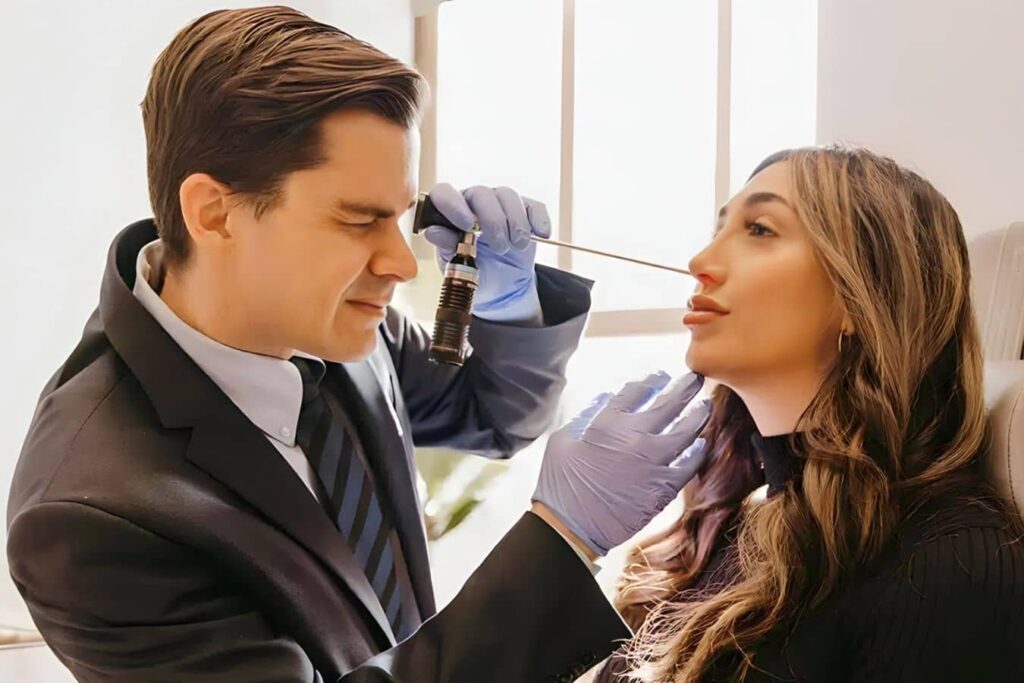
Proper diagnosis involves more than a simple visual exam. During a consultation, the nasal cavity, septum, and supporting cartilages are carefully evaluated to determine how airflow is being restricted. Imaging or internal examination may be used to assess the severity of septal deviation and whether additional nasal structures are contributing to obstruction.
This detailed evaluation allows for a customized surgical plan rather than a one-size-fits-all approach.
Improve Your Breathing While Preserving Your Natural Appearance
STalk with a Philadelphia facial plastic surgeon about functional rhinoplasty options tailored to your goals.
Septoplasty as Part of Functional Septorhinoplasty Surgery
Septoplasty focuses on straightening the nasal septum to improve airflow through the nasal passages. Functional septorhinoplasty often includes septoplasty while also correcting other structural issues such as weakened cartilage support, narrowed nasal valves, and nasal bone asymmetries that restrict breathing.
By addressing multiple contributors to nasal obstruction in a single surgical procedure, functional septorhinoplasty offers a more comprehensive solution than septal correction alone for many patients.
How Septorhinoplasty Actually Works
During functional septorhinoplasty, the surgeon carefully reshapes the septal cartilage and bone while reinforcing areas that support nasal airflow. Techniques may include cartilage grafting, repositioning nasal structures, and widening narrowed passages.
Procedure length varies based on complexity, but most functional rhinoplasty surgeries are completed within a few hours under anesthesia. The goal is to restore nasal airflow while maintaining natural nasal contours.
Will Functional Rhinoplasty Change How My Nose Looks?
Functional rhinoplasty focuses on breathing first, but subtle aesthetic improvements may occur depending on the structural corrections required. Some patients may notice a straighter nose or improved symmetry.
When cosmetic concerns are present, functional correction can often be combined with cosmetic rhinoplasty techniques to address both airflow and appearance in a single procedure.
Recovery Timeline and When Breathing Improves
Initial swelling and congestion are normal during early healing. Many patients notice gradual breathing improvement over several weeks as inflammation subsides and nasal structures stabilize.
Full recovery and final airflow results may take several months as internal nasal tissues heal completely. Post-operative instructions help support proper healing and long-term success.
Rhinoplasty Patient Results
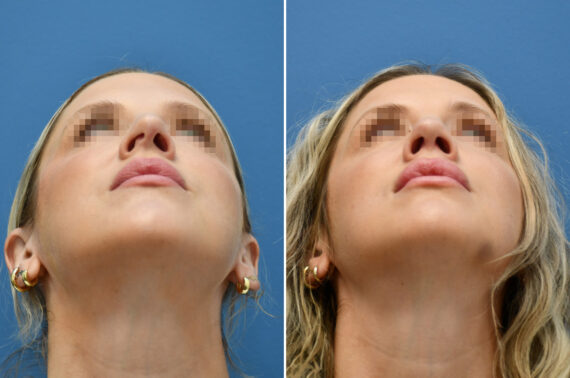
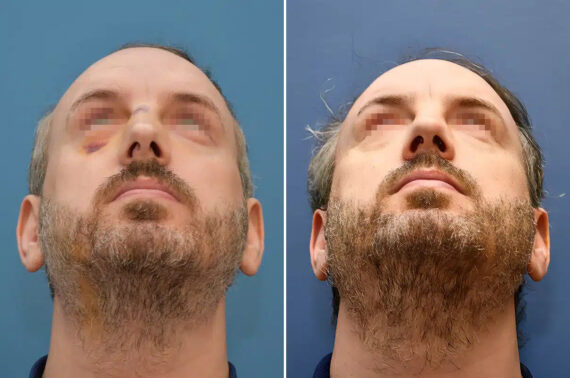
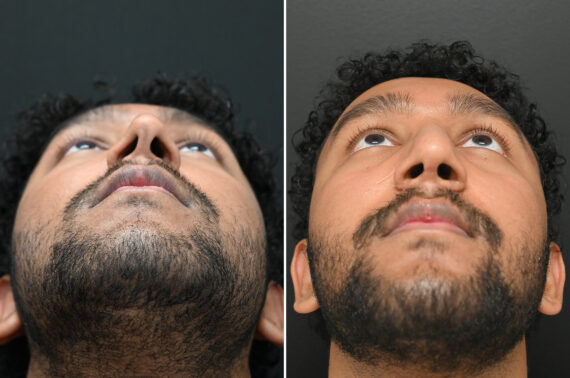
* All patients are unique and individual results may vary.
Realistic Expectations and Potential Risks
Functional septorhinoplasty is highly effective at improving structural nasal obstruction, but no surgery is without risk. Temporary swelling, bruising, nosebleeds and discomfort are common early in recovery. Less common risks include infection, scarring, or the need for revision surgery.
Clear communication during consultation helps patients understand outcomes, limitations, and recovery expectations.
Cost Considerations for Septorhinoplasty
The cost of functional septorhinoplasty varies depending on procedure complexity and whether cosmetic components are included. When surgery is performed to correct breathing problems, portions of treatment may be eligible for insurance coverage.
Each case is reviewed individually to determine medical necessity and financial considerations.
Why Patients Choose Becker Aesthetics & Plastic Surgery in Philadelphia, PA
Becker Aesthetics & Plastic Surgery offers experience in both functional and cosmetic nasal surgery. Care focuses on diagnosing the true cause of breathing problems and applying precise surgical techniques to restore airflow while preserving natural appearance.
Patients benefit from personalized treatment planning, modern surgical approaches, and comprehensive recovery guidance.
Book Your Functional Rhinoplasty Consultation
If nasal congestion, breathing difficulty, or a deviated septum is affecting your comfort, a consultation can help determine the best treatment path. Evaluation identifies whether functional rhinoplasty is the most effective option for restoring airflow.
Breathing Comfort Begins With Structural Correction
A deviated septum can quietly impact daily life, sleep, and overall health. Functional septorhinoplasty offers a comprehensive solution that corrects structural nasal problems and restores healthy airflow. With proper diagnosis and expert surgical care, long-term breathing improvement is achievable.
FAQs About Deviated Septum Correction