Rhinoplasty surgery is one of the most individualized procedures in facial plastic surgery. Just as no two patients are exactly alike, no two noses are exactly alike. Factors such as nasal structure, facial features, and cultural background influence how a rhinoplasty should be approached. This is why the topic of ethnic vs traditional rhinoplasty may come up when patients begin exploring nasal surgery options.
Although these terms can sound like they describe two different procedures, they actually reflect different approaches to rhinoplasty surgery. The distinction lies in how techniques are selected and adapted based on anatomy, balance, and cultural considerations.
At Becker Aesthetics & Plastic Surgery, rhinoplasty consultations emphasize personalized evaluation. Patients throughout New Jersey and Pennsylvania are guided through a thoughtful process that considers nasal structure, facial harmony, and personal goals to support refined, natural-looking results.
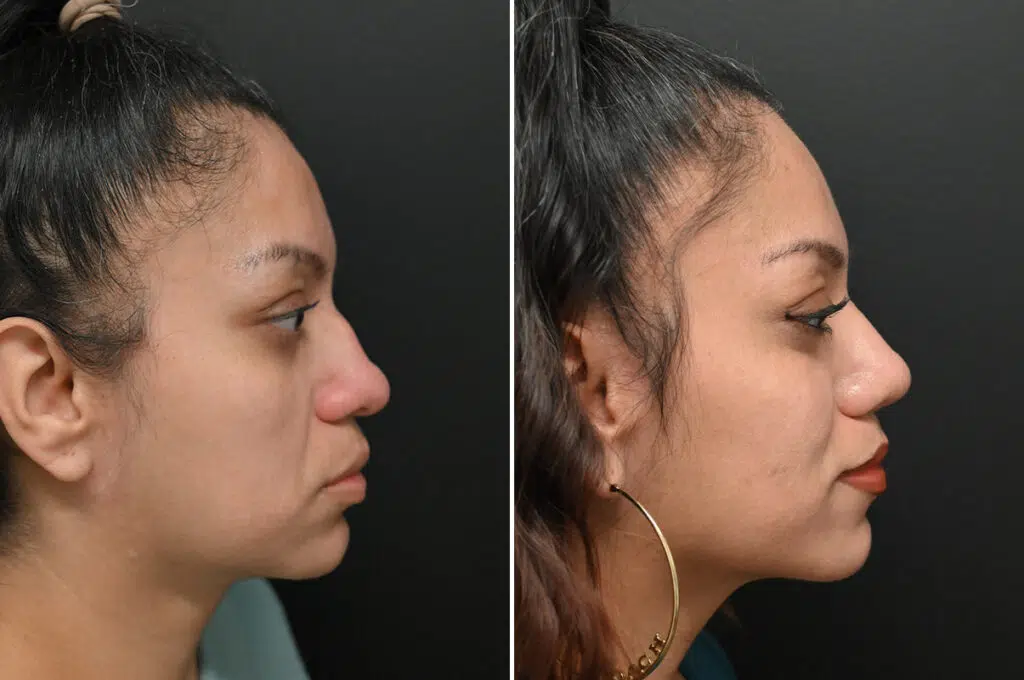
What Do “Ethnic” and “Traditional” Rhinoplasty Really Mean?
The distinction between ethnic and traditional rhinoplasty lies in the planning process, particularly how surgeons account for nasal structure, facial balance, and a patient’s cultural heritage.
Traditional rhinoplasty considerations were historically influenced by a narrower range of aesthetic nasal concerns, most commonly associated with Caucasian noses. These approaches typically focused on reduction and reshaping to achieve proportion and symmetry.
Ethnic rhinoplasty reflects a more anatomy-driven approach that developed as surgeons recognized the limitations of one-size-fits-all techniques. It emphasizes cultural sensitivity, preservation of ethnic features, and structural support when working with diverse nasal anatomy and varied skin types.
Today, many facial plastic surgeons combine principles from both approaches, tailoring the rhinoplasty procedure to the individual rather than the label.
Why Nasal Structure Matters More Than Terminology
When comparing ethnic vs traditional rhinoplasty, nasal structure is far more important than terminology. Key anatomical factors influence how a rhinoplasty procedure is planned, including:
- Skin thickness
- Cartilage strength and support
- Width of the nasal bridge
- Shape of the nostrils
- Overall facial proportions
Patients from various ethnic groups may share certain traits, such as thicker skin or softer cartilage, but individual variation is significant. Asian noses, Latino noses, and other ethnic noses can differ just as much within groups as between them. This is why experienced rhinoplasty surgeons focus on anatomy first.
How Ethnic Rhinoplasty Approaches Evolved
Ethnic rhinoplasty evolved as surgeons recognized that aggressive reduction techniques could compromise both appearance and nasal function in patients with certain nasal structures. Over time, the focus shifted toward preservation and support.
Modern ethnic rhinoplasty techniques are often guided by principles such as:
- Maintaining internal nasal strength
- Preserving ethnic identity and facial features
- Creating balance rather than dramatic change
- Supporting long-term structural stability and balance
These principles influence rhinoplasty surgery broadly and are not limited to one patient population.
Ethnic Rhinoplasty Patient Results

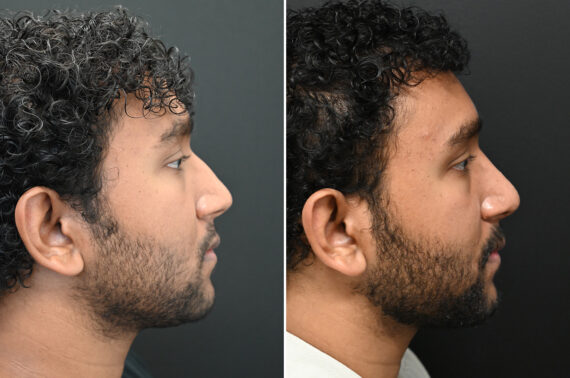
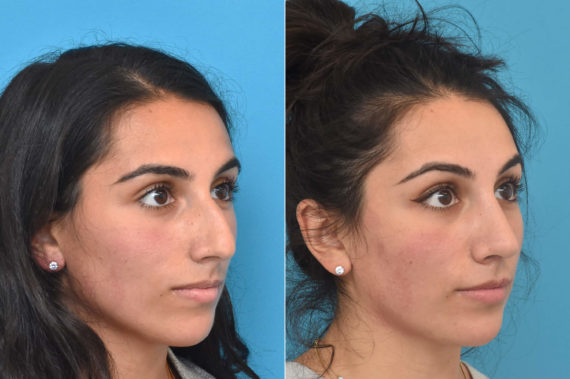
* All patients are unique and individual results may vary.

Aesthetic Goals: Preservation vs Standardization
Another key difference often discussed in ethnic vs traditional rhinoplasty is aesthetic intent.
Ethnic rhinoplasty places emphasis on preserving cultural and ethnic identity. Refinements are planned to improve balance while maintaining the features that contribute to a person’s appearance.
Traditional rhinoplasty approaches historically focused on standardized proportions and refinement goals, such as smoothing the nasal bridge or reducing nose size. Today, most surgeons favor individualized outcomes over rigid ideals, blending refinement with preservation.
In practice, many patients benefit from an approach that draws from both philosophies.
Technique Selection: Where the Real Differences Exist
There is significant overlap in rhinoplasty techniques used across all patients. The difference lies in how and when those techniques are applied.
Depending on nasal structure and goals, rhinoplasty techniques may include:
- Structural support methods when additional strength is needed
- Refinement of the nasal tip or bridge
- Adjustments to nasal width or nostril shape (often achieved through alar base reduction surgery).
- Careful reshaping to address asymmetry or a crooked nose
Rather than defining procedures as ethnic or traditional, experienced surgeons use a combination of techniques selectively based on anatomy.
Preserve your identity with a customized approach
Experience world-class treatment from our top-rated providers at Becker Aesthetics & Plastic Surgery.
Who May Encounter the Term “Ethnic Rhinoplasty” Most Often
Patients who are researching Asian rhinoplasty, Latino rhinoplasty, or other forms of ethnic nose surgery are often looking for reassurance that their surgeon understands diverse nasal anatomy and can plan treatment with cultural sensitivity in mind. In these cases, the term “ethnic rhinoplasty” reflects an emphasis on experience and thoughtful planning, rather than a different type of operation.
Choosing a Rhinoplasty Surgeon With the Right Experience
Because the differences between ethnic and traditional rhinoplasty relate to clinical judgment and surgical planning, surgeon experience is essential. A facial plastic surgeon familiar with diverse nasal anatomy can adapt techniques to support both appearance and function.
Patients should feel comfortable discussing:
- Aesthetic goals and concerns
- How facial features and ethnic identity contribute to the desired appearance
- Expected outcomes and limitations
- Available patient resources for education and recovery
How Becker Aesthetics & Plastic Surgery Approaches Rhinoplasty Planning
At Becker Aesthetics & Plastic Surgery, rhinoplasty planning is based on an individualized evaluation rather than categories of surgery. Surgeons assess nasal structure, cartilage strength, facial features, and overall appearance before discussing options.
This allows for thoughtful technique selection, whether a patient’s needs align more closely with what is often described as ethnic rhinoplasty, traditional rhinoplasty, or a combination of both. The focus remains on balance, preservation, and natural-looking results.
Schedule a Rhinoplasty Consultation in NJ or PA
If you are exploring ethnic vs traditional rhinoplasty and want clarity about which approach may be right for you, scheduling a consultation is the next step. Personalized evaluation helps determine how rhinoplasty techniques can be adapted to your anatomy and goals.
Contact Becker Aesthetics & Plastic Surgery to schedule a rhinoplasty consultation and learn more about individualized nose surgery planning in New Jersey and Pennsylvania.
Ethnic Rhinoplasty FAQs