When patients tell me their nose looks too wide, they are often pointing not to the bridge but to the nostrils. Alar base reduction surgery targets the width at the bottom of the nose, where the nostrils meet the cheeks and upper lip. It is the refinement I turn to for that concern, most often as part of a rhinoplasty and occasionally on its own.
I am Dr. Daniel Becker, a board-certified facial plastic surgeon, and I perform this work alongside a team of expert plastic surgeons who concentrate on the nose. Here is what it does, who benefits, and what to expect.
What to Know About Alar Base Reduction Surgery
- Alar base reduction narrows wide nostrils and the base of the nose, not the bridge.
- It can stand on its own or be combined with a full rhinoplasty.
- Incisions sitat the nostril sill, the part of your nostril just above your upper lip, so scars stay discreet.
- The goal is balance, removing only enough tissue to suit the rest of your face.
- There is no reliable way to permanently narrow nostrils without surgery.

What Is Alar Base Reduction?
Alar base reduction is a focused technique that narrows the width and flare of the nostrils. The alae are the curved outer walls of the nostrils, and the base is where they anchor to the face. By removing a small, carefully measured amount of tissue, I can bring the nostrils inward and refine the overall footprint of the nose.
It is one part of a larger toolkit. The American Academy of Facial Plastic and Reconstructive Surgery reports that rhinoplasty remains the most commonly requested facial plastic surgery, and alar base reduction is one of the more targeted techniques within that field.
Why Nostrils May Look Wide or Flared
Nostril width is mostly a matter of anatomy you are born with. Some people have nostrils that sit far apart, others have nostrils that flare outward when viewed head on, and many have a combination of both. Skin thickness and the shape of the surrounding cartilage also influence how broad the base appears.
A previous rhinoplasty can also change the balance and make the nostrils look wider. Whatever the cause, the width is structural, which is why surface treatments cannot change it.
Who May Be a Candidate for Alar Base Reduction?
Good candidates are people whose nostrils or nasal base look disproportionately wide next to their other features, and who are in good general health with realistic expectations. During a consultation, I look at the nose straight on and in profile, study how the base relates to the eyes and lips, and listen closely to what is bothering you.
This is not the right technique for everyone with a wider nose. If the width comes from the bridge or tip rather than the base, a different approach will serve you better.
What Alar Base Reduction Can Improve
The procedure is designed to address width and flare at the bottom of the nose. Depending on your anatomy, it can:
- Narrow nostrils that sit too far apart
- Reduce nostrils that flare outward
- Refine the size of large or rounded nostrils
- Even out mild asymmetry between the two sides
It does not reshape the bridge or tip, though. Those concerns belong to a fuller rhinoplasty, which is why I evaluate the nose as a whole first.
Rhinoplasty Patient Results
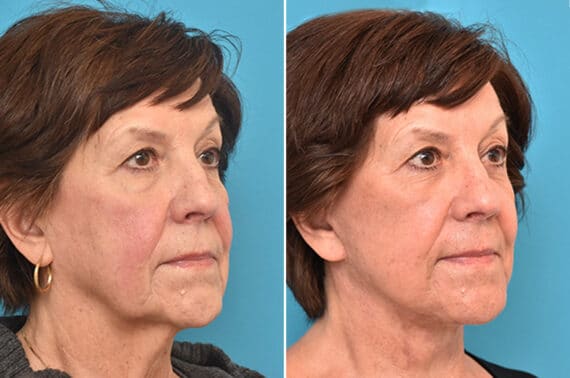
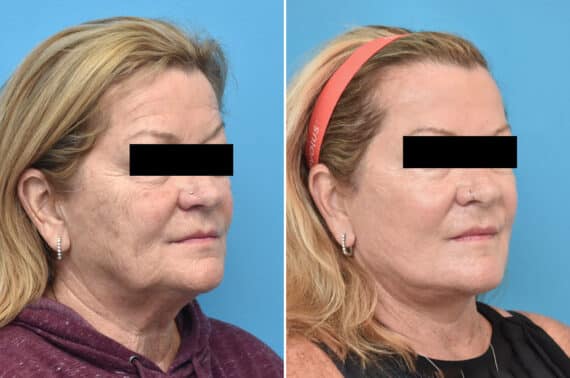

* All patients are unique and individual results may vary.
How Alar Base Reduction Is Performed
To narrow the base, I remove a small amount of tissue at the nostril sill, the floor where the nostril meets the upper lip. To reduce flare, I remove an additional amount of tissue internally, and closing this area internally reduces the flare without the need for an external incision at the nostril crease.
Precision matters most here. Removing too much can leave a pinched or notched look, so I take away only what brings the base into proportion. Base reduction alone can be done under local or sedation anesthesia and can be combined with a larger rhinoplasty when needed.
Alar Base Reduction vs. Rhinoplasty
The simplest way to think about it is scope. A full rhinoplasty reshapes the framework of the nose, including the bridge, the tip, and sometimes the septum. Alar base reduction works only on the base and nostrils, leaving the rest of the nose alone.
For some patients, narrowing the base is the single change that brings everything into balance. For others, it is one step within a broader rhinoplasty. The right answer depends on what is creating the width.
Preserving Natural Features and Facial Balance
My aim is never to give everyone the same nostrils. A nose should suit the face around it, so I plan each reduction in the context of your lip width, your cheeks, and the rest of your features.
That is also why restraint matters. Subtle, proportionate changes tend to age well and keep the nose looking like yours, while overly aggressive narrowing can read as artificial.
Get the right approach for your nose
Experience world-class treatment from our top-rated providers at Becker Aesthetics & Plastic Surgery.
Alar Base Reduction in Ethnic Rhinoplasty
Alar base reduction comes up often in ethnic rhinoplasty, because a wider nasal base is a natural feature in many heritages. The goal in these cases is refinement, not erasure. I work to bring gentle balance while protecting the characteristics that make your nose part of your identity.
Thicker skin and stronger cartilage call for a tailored, conservative plan. Done thoughtfully, the result honors your background and looks more harmonious with your face.
Can Alar Base Reduction Affect Breathing?
On its own, alar base reduction works on the outer soft tissue of the nostrils rather than the internal airway, so it usually does not interfere with how you breathe. The exception is over-narrowing, which can tighten the nostril opening and make airflow feel restricted.
I plan every reduction with that risk in mind and examine the inside of the nose as well as the outside. When breathing is already a concern, it can be addressed in the same procedure.
Recovery After Alar Base Reduction Surgery
When alar base reduction is done on its own, recovery tends to be manageable. You can expect some swelling, soreness and redness around the nostrils, with fine sutures usually removed after about a week. Most people return to everyday routines within a week or two and resume strenuous activity a little later.
The small incisions fade gradually over several months as they settle. When the procedure is part of a full rhinoplasty, recovery may be longer.

Choosing the Right Approach for Wide Nostrils
Start with an honest look at where the width comes from. Makeup or contouring only camouflages, so if you want a lasting change, surgery is the route, and the question becomes whether the base alone needs attention or the whole nose does. More than any single technique, the surgeon you choose shapes the result, since wide nostrils call for someone who narrows with restraint and keeps scars hidden.
Schedule a Consultation in Philadelphia, PA
If wide or flared nostrils have been bothering you, the clearest next step is a one-on-one evaluation. Our team in Philadelphia, PA will examine your nose, talk through what alar base reduction can and cannot do for you, and help you decide whether it fits your goals. Reach out to request your consultation whenever you are ready.
Frequently Asked Questions About Alar Base Reduction Surgery