Rhinoplasty for Wide Nose
For many people, the concern with a wide nose is not necessarily size — it’s proportion.
A nose that appears broad across the bridge, tip, or nostrils can sometimes draw attention away from the eyes and other facial features, even when the rest of the face is naturally balanced. That’s why patients considering rhinoplasty for a wide nose are usually not looking for dramatic transformation. In most cases, they simply want their nose to look more refined, harmonious, and naturally proportionate to the rest of their face.
One thing experienced facial plastic surgeons understand is that successful rhinoplasty is rarely about making the nose “small.” Instead, it’s about improving structure, contour, and facial balance while preserving natural identity and proper nasal function





What Actually Causes a Nose to Look Wide?
One of the biggest misconceptions about wide nose rhinoplasty is that every wide nose is anatomically the same. In reality, nasal width can come from several different structures.
For some patients, the width comes primarily from:
the nasal bridge
the nasal bones
thick skin
a bulbous tip
wide nostrils
flared alar bases
broad cartilage structures
In other cases, multiple areas contribute at the same time.
In some patients, the nostrils themselves are the primary source of nasal width rather than the bridge or tip. Wide nostrils often involve the alar base — the area where the nostrils meet the cheeks — and may become more noticeable during smiling or facial expression.
The shape and flare of the nostrils are influenced by:
alar cartilage structure
skin thickness and elasticity
the width of the nasal base
genetic and ethnic facial anatomy
Understanding whether width originates from the bridge, tip, nostrils, or multiple structures together is one of the most important parts of surgical planning.

Why Many Patients Feel Self-Conscious About Nasal Width
Patients rarely describe their concerns using medical terminology.
Instead, they often say things like:
“My nose looks too wide in photos.”
“My nose dominates my face.”
“My nostrils flare when I smile.”
“I want more definition.”
And honestly, those concerns are usually about harmony rather than objective size.
A wide bridge or undefined tip can make the center of the face feel visually heavier, reducing natural definition around the eyes and cheekbones. In some patients, wide nostrils become more noticeable during facial expression or smiling.
The important thing is that modern rhinoplasty approaches these concerns conservatively. The goal is not to erase facial identity or create an artificially narrow nose. Instead, surgeons focus on creating better proportion while preserving natural facial character.
How Rhinoplasty for a Wide Nose Works
Wide nose rhinoplasty involves carefully reshaping bone, cartilage, and soft tissue structures to improve contour and balance.
But contrary to what many people assume, this is not simply a matter of “removing tissue.”
Experienced facial plastic surgeons often prioritize structural preservation because over-reduction can create:
breathing problems
long-term instability
asymmetry
unnatural appearance
That’s why modern rhinoplasty techniques focus heavily on controlled refinement.
Narrowing the Nasal Bridge
When excess width comes from the nasal bones, surgeons may use osteotomy techniques to reposition the bridge more precisely.
This controlled bone reshaping allows the bridge to become narrower while maintaining:
symmetry
structural support
natural contour
The goal is subtle refinement, not an overly sharp or pinched appearance.
Refining a Wide or Bulbous Nasal Tip
For patients with a broad or poorly defined tip, cartilage reshaping becomes especially important.
In many cases, surgeons reshape and reposition the cartilage rather than aggressively removing it. Specialized suturing techniques can improve tip definition while preserving support and maintaining natural softness.
This becomes particularly important in ethnic rhinoplasty, where preserving the patient’s natural identity and facial characteristics is a major priority.
One thing patients often do not realize is that an over-narrowed tip can look unnatural very quickly. Experienced surgeons usually aim for refinement that blends naturally with the rest of the face rather than dramatic alteration.
Can Rhinoplasty Surgery Narrow Wide Nostrils?
Yes — but carefully.
When nostril flare or a broad alar base contributes to nasal width, alar base reduction may be recommended.
This technique narrows the base of the nostrils in a measured and balanced way. The key is subtlety. Over-aggressive nostril reduction can create visible tension or distortion, which is why conservative planning is critical.
Not every patient requires alar base reduction, and not every wide nose requires major structural change. Surgical planning is always individualized based on anatomy and facial proportions.
Many patients specifically notice nostril flare when smiling, even if the rest of the nose appears proportionate at rest. In these cases, careful alar base refinement can improve balance while still preserving natural movement and facial expression.
One of the most important aspects of nostril narrowing is avoiding overcorrection. The goal is not to create extremely small nostrils, but to improve proportion and symmetry while maintaining a natural nasal contour.
Not every patient requires all of these techniques. Surgical planning is tailored to the individual anatomy and desired outcome.
Open Rhinoplasty vs Closed Rhinoplasty for Wide Nose Correction
Patients frequently ask whether open or closed rhinoplasty is “better.”
The truth is that the best approach depends entirely on the complexity of the case and the amount of reshaping required.
Closed Rhinoplasty
Closed rhinoplasty keeps all incisions inside the nose and may work well for:
limited bridge narrowing
subtle refinement
smaller structural adjustments
Open Rhinoplasty
Open rhinoplasty provides greater visibility of the nasal structures and is often preferred when:
multiple areas require correction
extensive tip reshaping is needed
cartilage work is more complex
The decision is based on anatomy and surgical goals — not on trends or marketing terminology.
Expected Rhinoplasty Results for a Wide Nose
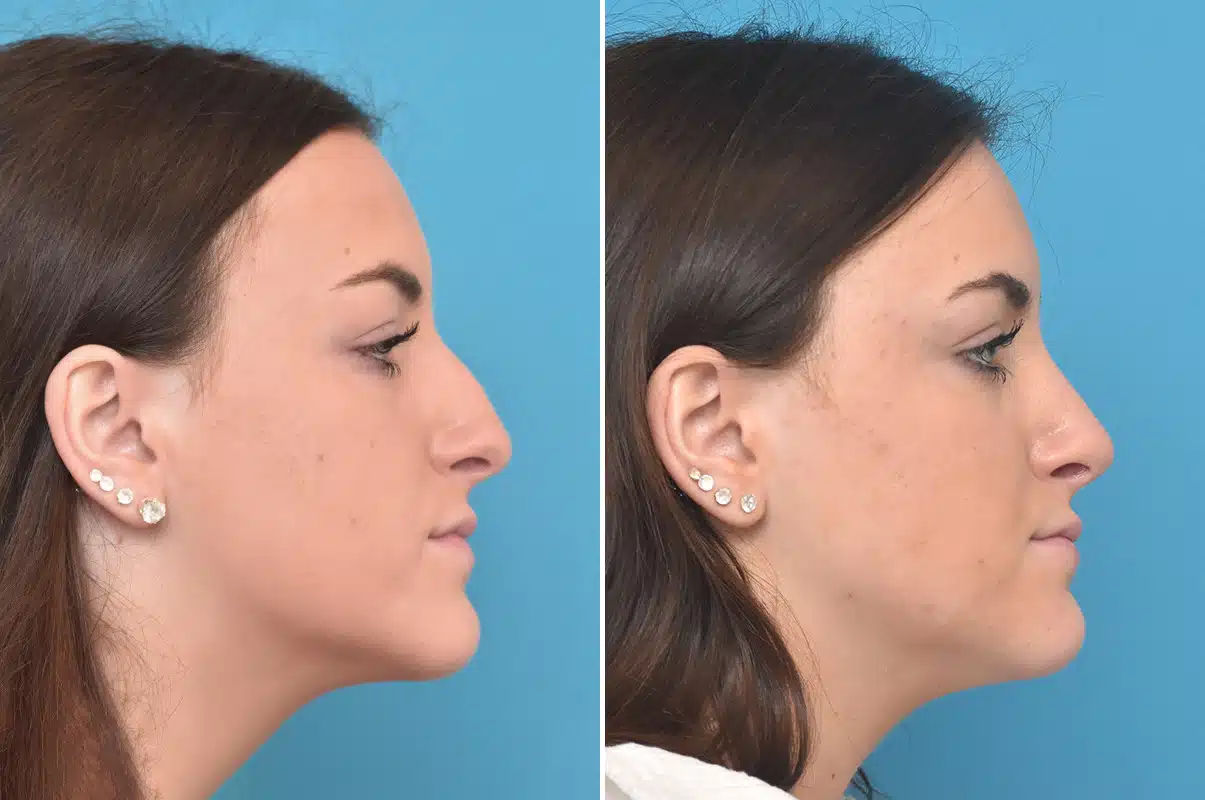
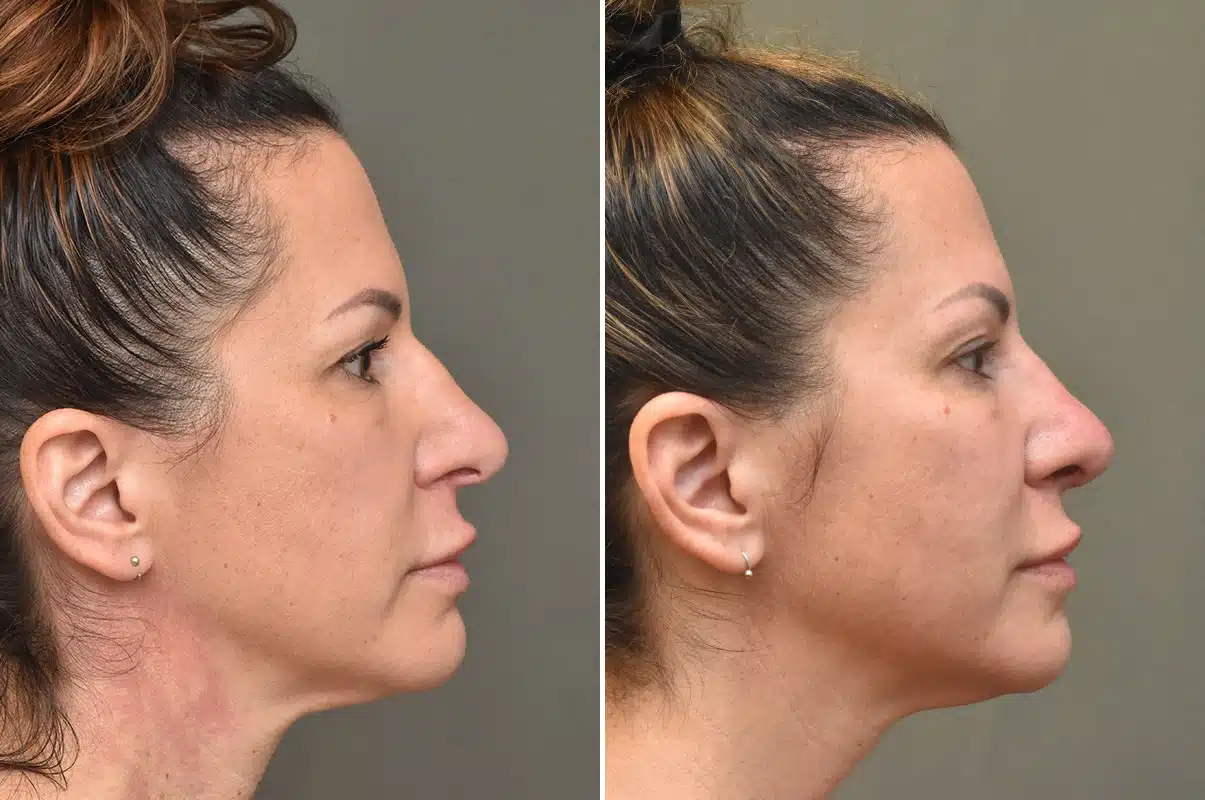
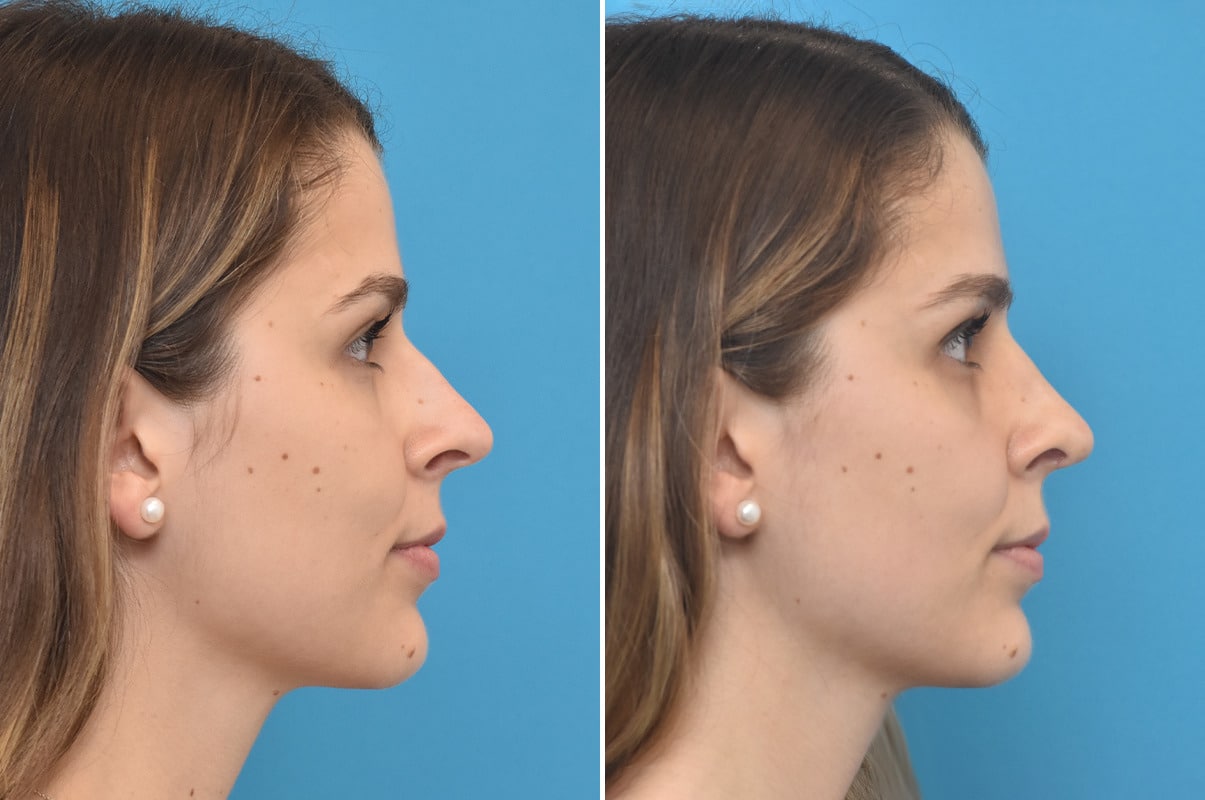
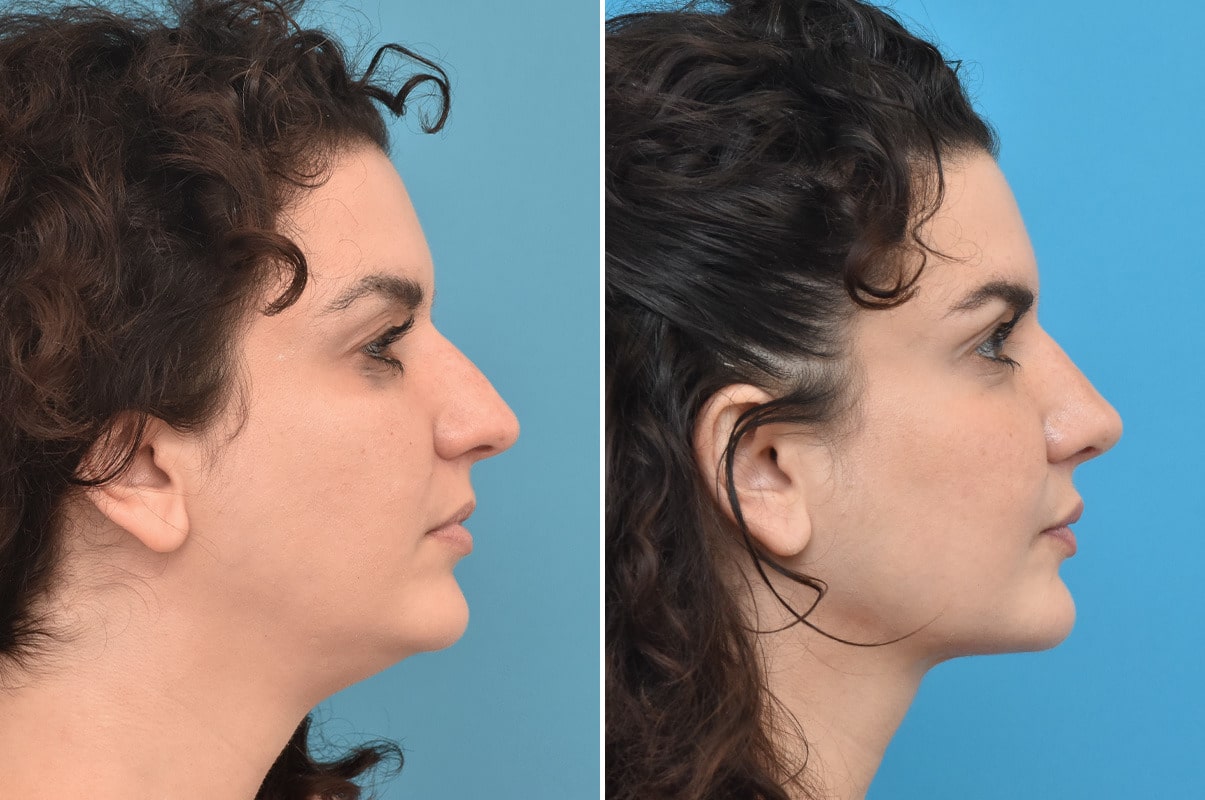
Rhinoplasty results for wide nose refinement aim to create a nose that looks balanced with the rest of the face. A successful outcome is one where the nose no longer draws attention to itself, but complements the patient’s facial features.
Patients typically notice a narrower nasal bridge, improved tip definition, and better symmetry between the nostrils. Results are designed to appear natural rather than dramatically altered.
During consultation in Philadelphia, before-and-after photos help set realistic expectations based on similar nasal anatomy and surgical approaches.
“Summary; Fantastic Doctors and Staff with exceptional personal skills. Will return and highly recommend. I went to Becker Aesthetics & Plastic Surgery to see Dr. Lozada about resetting a broken nose. He was incredibly attentive, helpful with my questions, and made a genuine effort to ensure I was comfortable and informed with the procedure. The results were top notch, and the soft skills Dr. Lozado exhibited ensure I would highly recommend to anyone and not hesitate to use again. I feel exceedingly lucky to have gotten booked with their Practice.”
Tom Grove


Wide Nose Rhinoplasty Recovery
Recovery varies depending on the extent of surgery and the techniques involved.
During the first one to two weeks, most patients experience:
swelling
bruising
temporary congestion
tenderness around the bridge and eyes
A nasal splint is commonly worn during the early healing phase to support the newly shaped structures.
Most patients can return to non-strenuous activities within approximately two weeks, although healing continues well beyond that initial recovery period. One thing patients are often surprised by is how gradual rhinoplasty healing can be.
While the bridge improves relatively early, tip refinement may continue evolving for several months as swelling slowly resolves. Patience is an important part of the rhinoplasty process. For patients undergoing alar base reduction or nostril narrowing, mild swelling and tenderness around the nostril base are also common during the early healing phase. Small incisions are typically placed strategically within natural contour transitions to help scars heal as discreetly as possible.
As healing progresses over several months, incision lines generally soften and become increasingly difficult to notice.
Is Wide Nose Rhinoplasty Worth It?
For the right patient, rhinoplasty can create significant improvements in confidence and facial harmony — not because it changes who someone is, but because it refines balance in a subtle and natural way.
Most patients are not looking for perfection.
They simply want a nose that feels less distracting, more proportional, and more aligned with the rest of their facial features.
And when rhinoplasty is approached conservatively, strategically, and artistically, the result often looks effortless — which is exactly what most patients want.
Choosing a Rhinoplasty Surgeon in Philadelphia
Refining a wide nose requires experience with both structural and aesthetic aspects of nasal surgery. Surgeons must balance narrowing techniques with preservation of nasal support and function.
Patients benefit from working with a facial plastic surgeon who understands nasal anatomy, facial balance, and the nuances of wide nose refinement, particularly in cases involving ethnic rhinoplasty or significant reshaping.

- Completed his fellowship at the University of Pennsylvania and has trained with the top Facial Plastic Surgeons in Philadelphia, New York, and New Jersey.
- Has traveled to Ica, Peru with Healing the Children on multiple occasions performing a high volume of cleft lip and palate surgery.
- Is currently a member of the American Academy of Facial Plastic & Reconstructive Surgery and has numerous publications and presentations in the field of facial plastic surgery.

- Board Certified by the American Board of Otolaryngology (ENT).
- Board Certified by the American Board of Facial Plastic and Reconstructive Surgery (ABFPRS).
- Fellow of the American College of Surgeons (FACS).
- Top-Rated by US News and World Report, Philadelphia Magazine, South Jersey Magazine, Castle-Connelly, and others.
- Read more about rhinoplasty specialist Dr. Becker’s credentials

- She is a double board certified surgeon in Facial Plastic and Reconstructive Surgery and Otolaryngology & Head/Neck Surgery.
- Is a member of the American Academy of Facial Plastic and Reconstructive Surgery.
- Has over 20 years of experience, 15+ years in private practice and has performed hundreds of facelift surgeries.
- Dr. Schrader Recognized as Best Plastic Surgeon by Town Topics Readers’ Choice Awards.
Pick one of our 6 convenient locationsfor Your Plastic Surgery Needs
Speak With a Philadelphia Rhinoplasty Specialist
If concerns about nasal width are affecting your confidence or how you feel about your appearance, a personalized rhinoplasty consultation can help determine whether surgery is appropriate.
Becker Aesthetics & Plastic Surgery welcomes patients from Philadelphia, Center City, South Jersey, and surrounding Pennsylvania communities.
Office Location
1608 Walnut Street, 9th Floor, Suite 902B
Philadelphia, PA 19103
Phone
(215) 944-5158