One of the first questions many Botox patients ask is, how many units of Botox do I need to see results? It’s a fair question—and an important one. Botox dosing plays a key role in achieving natural-looking results, whether the goal is softening forehead lines, relaxing frown lines, or subtly lifting the brows. At the same time, dosing is not a one-size-fits-all decision.
Understanding how Botox units work and why dosing varies from person to person helps set realistic expectations and prevents over- or under-treatment. For patients new to Botox injections, learning the basics — including what to do and what to avoid before your Botox appointment — can make the consultation process feel more comfortable and informed.
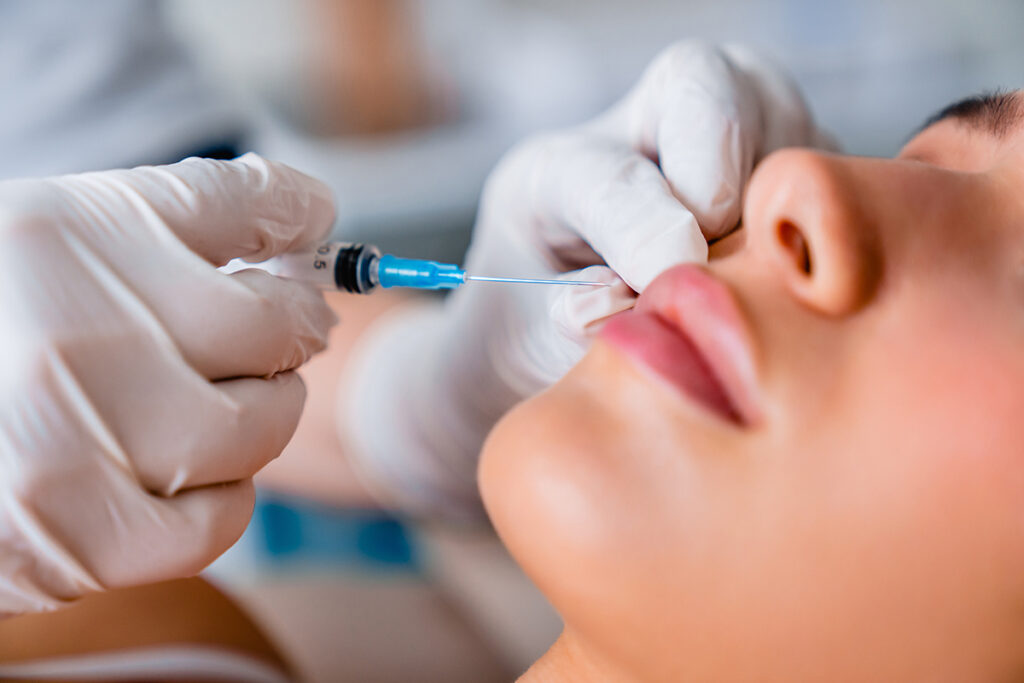
What Are Botox Units?
Botox units are a standardized measurement used to determine how much botulinum toxin is injected into a specific treatment area. Units help providers deliver precise, controlled doses tailored to each patient’s facial anatomy and goals.
The Basics of Botox Dosing
Each Botox treatment is planned by evaluating the facial muscles responsible for dynamic wrinkles. Stronger or larger muscles may require more units, while smaller or more delicate areas often require fewer. The goal is always balance—relaxing targeted muscles without affecting natural facial expression.
Why Botox Units Matter for Treatment Effectiveness
Using the correct dosage is essential for achieving consistent, predictable results. Too few units may lead to minimal improvement, while too many can create an overtreated appearance. This is why dosing decisions are made during a Botox consultation rather than predetermined in advance.
How Many Botox Units Are Used for Common Treatment Areas?
While patients often want exact numbers, Botox dosing depends on the individual. Rather than focusing on a specific unit count, it’s more helpful to understand how dosing is approached in different facial areas.
Forehead Lines
Horizontal forehead lines are caused by repeated eyebrow movement. Botox treatment in this area typically uses a conservative approach to smooth lines while preserving natural brow motion. Dosing varies based on muscle strength and the desired level of softness.
Frown Lines (Glabellar Lines)
Frown lines between the eyebrows are created by strong facial muscles that pull the brows downward. These muscles often require more units than other areas, but dosing is carefully adjusted to avoid heaviness or stiffness.
Crow’s Feet (Around the Eyes)
The skin around the eyes is thinner and more delicate. Botox injections in this area are usually placed with precision to soften fine lines while allowing for natural smiling and expression.
Brow Lift
A Botox brow or eyebrow lift uses targeted injections to subtly adjust muscle balance. This technique relies on careful dosing and placement rather than a high number of units.
Botox Patient Results
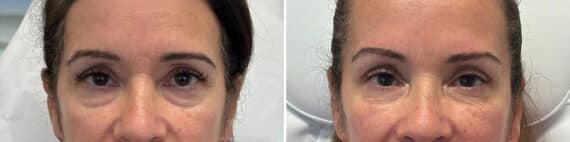
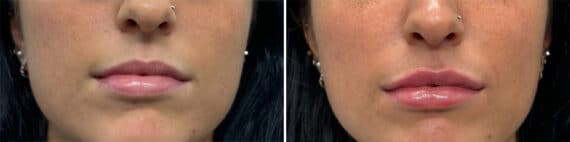
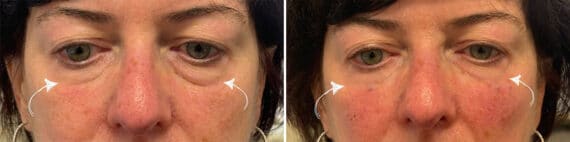
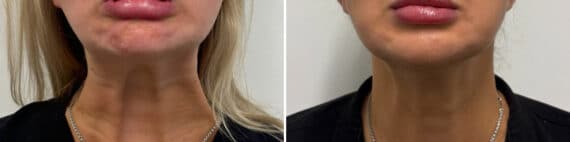
* All patients are unique and individual results may vary.

Factors That Affect Botox Treatment Dosing
Several individual factors influence how many units are recommended during a Botox treatment.
Stronger facial muscles often require more units to achieve relaxation. Patients who naturally have more expressive faces may need higher doses than those with gentler muscle movement.
Skin elasticity, collagen levels, and the degree of facial wrinkles all play a role. As skin ages and collagen production slows, dosing strategies may evolve to maintain smooth, natural results.
Some patients prefer very subtle changes, while others want more visible smoothing. The desired outcome helps guide how many units are used and how they’re distributed across the treatment area.
Schedule your botox consultation now
Our New Jersey and Philadelphia teams are here to personalize your rejuvenation plan.
Can You Have Too Much Botox?
Yes—using too much Botox can affect facial balance and expression.
Excessive dosing may lead to a frozen or heavy appearance, especially in areas like the forehead or around the eyes. Over-treatment can also impact how long results last and how natural they look.
Natural results come from using the lowest effective dose needed to achieve the desired outcome. Experienced providers focus on precision rather than volume, adjusting units per side and per injection site as needed.
How Often Do You Need Botox Touch-Ups?
Botox results are temporary, which means maintenance treatments are part of the process for patients who choose to continue.
Most patients notice results lasting several months. As muscle activity gradually returns, facial wrinkles may slowly reappear, signaling that it may be time for another treatment.
Dosing is not fixed. Over time, treatment plans may change based on how muscles respond, how long results last, and whether additional units or adjustments are needed for balance.
The Role of Your Botox Provider in Dosing
Choosing the right provider is one of the most important factors in Botox treatment success.
An experienced plastic surgery or aesthetic provider understands facial anatomy, muscle interaction, and how Botox behaves in different facial areas. This expertise helps prevent uneven results and supports long-term satisfaction.
Botox dosing should always be personalized. During a Botox consultation, providers assess facial muscles, discuss goals, and create a treatment plan that may include Botox injections alone or in combination with other cosmetic treatments such as dermal fillers.
How Many Units of Botox Are Right for You?
Schedule a Botox Consultation and Find Out
There is no single answer to how many units of Botox you need. The right dosage depends on facial anatomy, muscle strength, aging patterns, and personal goals. Rather than focusing on a specific number, the most effective approach is a customized treatment plan guided by experience and careful assessment.
At Becker Aesthetics & Plastic Surgery, Botox treatments are planned with attention to natural results, facial balance, and long-term outcomes. Scheduling a Botox consultation allows you to discuss your concerns, learn how dosing works for your facial areas, and determine a treatment approach that fits your goals.