One of the most common questions patients have before brachioplasty is about scarring. It makes sense — arm lift surgery removes excess skin along the inner arm, and the incisions required to do that are longer than those associated with many other plastic surgery procedures. Understanding what brachioplasty scars look like at each stage of healing, and what you can do to support the process, takes a lot of the uncertainty out of recovery.
The important thing to know upfront is that scar appearance changes significantly over time. What you see in the first few weeks after arm lift surgery is not what you will see at six months or a year. Healing happens in phases, and each phase looks different. At Becker Aesthetics & Plastic Surgery, Dr. David W. Allison guides patients through every stage of brachioplasty recovery with personalized scar care instructions designed to support the best possible outcome.
What Arm Lift Patients Should Know About Scarring
- Brachioplasty scars are placed along the inner arm or underarm where they are least visible during everyday activity.
- Scars typically look most noticeable in the first few weeks, then gradually flatten, soften, and fade over several months.
- Most visible improvement happens between three and twelve months, though full scar maturation taking up to 12 to 18 months.
- Incision placement, skin type, surgical technique, and aftercare all influence how scars after arm lift surgery develop.
- Consistent scar care and sun protection play a meaningful role in long-term scar reduction.
What Do Brachioplasty Scars Look Like On the Skin Right After Arm Lift Surgery?
Immediately following arm lift surgery, the incision site will appear as a fresh, closed wound. While incision patterns may vary depending on the types of arm lift surgery performed, the incision is commonly placed along the inner arm, extending from the underarm area toward the elbow. This approach allows Dr. Allison to remove excess arm skin while keeping the scar as discreet as possible along the inner surface of the upper arms.
In the first days after surgery, the scar area will appear red, slightly raised, and surrounded by swelling and bruising. This is completely expected — it reflects the body’s normal inflammatory response to surgical incisions, not a sign of poor healing. The incision will be closed with sutures, and compression garments will be in place to support the upper arms and minimize swelling during early recovery.
Arm Lift Scar Healing Timeline: Week by Week
Healing after brachioplasty follows a predictable sequence, though the pace varies from person to person. Knowing what to expect at each stage helps patients stay patient and consistent with their scar care.
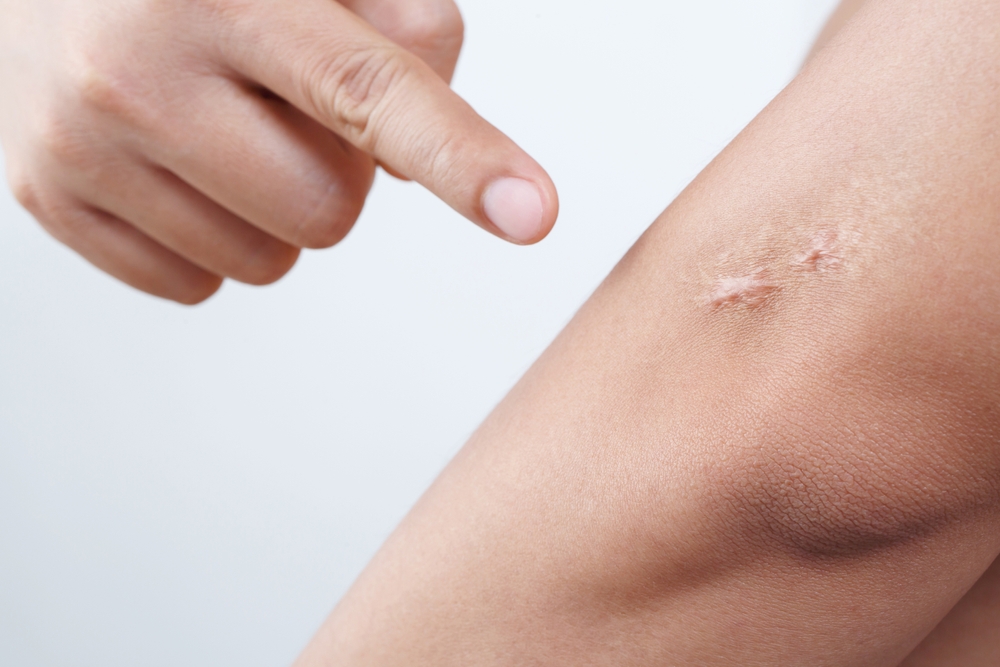
Week 1: Incision Closure and Early Healing
The first week is focused entirely on protecting the incision and managing discomfort. The scar area will look its most intense during this period — red, swollen, tender, and possibly bruised along the inner arm from the armpit toward the elbow. This is normal.
Most patients experience tightness and some sensitivity around the surgical incisions during this time. Activity is restricted to protect the healing tissue and avoid placing tension on the incision. Compression garments are worn consistently to reduce swelling and support the body as it begins the early phases of recovery.
Week 1
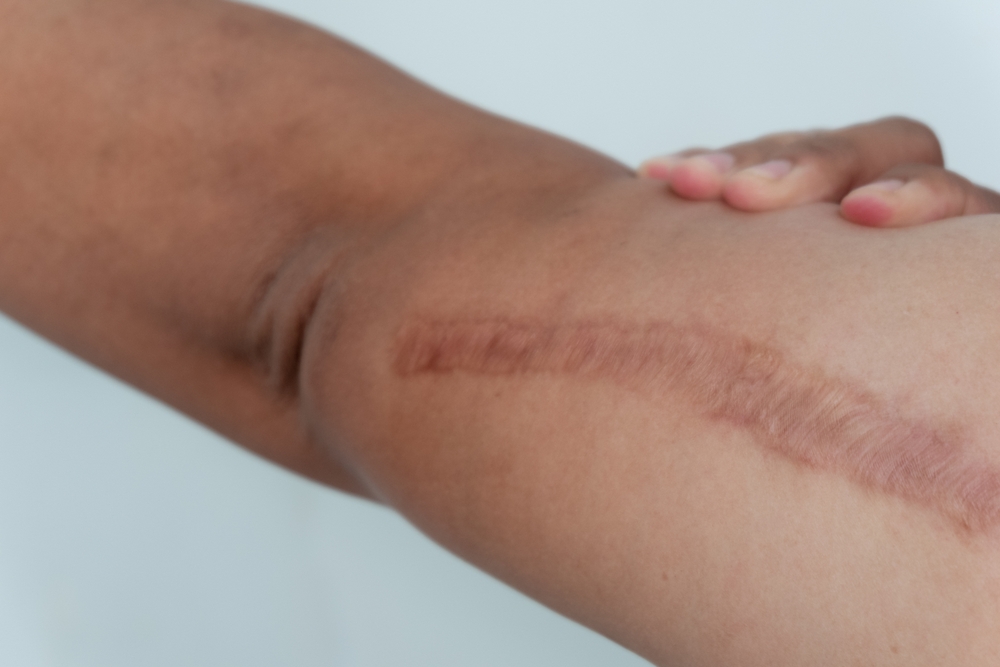
Weeks 2–4: Surface Healing and Early Scar Formation
By the second week, bruising begins to fade and swelling gradually decreases, though the arm will still feel firm and tender. The surface of the skin may appear healed from the outside while deeper tissue healing continues beneath. This is when the early scar line becomes more defined and easier to see — for some patients, this is the stage where the scar seems most visible, which can feel discouraging. It is important to remember that this is not the final result.
During weeks two through four, early scar formation begins in earnest. The body is laying down new collagen at the incision site, which can cause the scar to feel firm, slightly raised, or itchy. These sensations are signs of active healing, not complications. Keeping tension off the scar area and following your surgeon’s instructions carefully during this window matters a great deal for how the scar develops.
Weeks 2–4
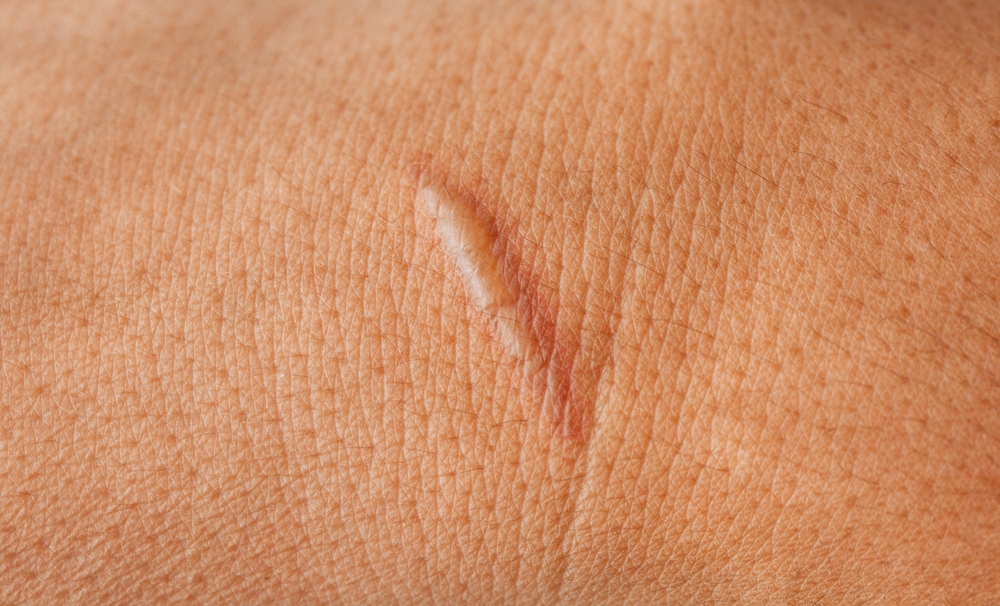
Weeks 5–8: Early Remodeling Begins
Between weeks five and eight, most patients notice the first signs of gradual change. The scar may begin to flatten slightly, and color may start to shift — though pink or red tones typically persist at this stage. Some patients notice softening in texture, while others find the scar still feels firm and prominent.
This variability is normal. Healing speed is influenced by genetics, skin type, age, and how well aftercare has been followed. If your surgeon has approved the use of scar-focused products such as silicone scar sheets or scar creams, this is often when those become part of the daily routine. Scar massage may also be introduced at this stage to help break down collagen buildup and improve texture over time.
Weeks 5–8

Months 3–6: Scar Fading and Texture Changes
The three-to-six-month window is when the most noticeable improvements tend to occur. Brachioplasty scars often flatten more significantly during this phase, redness begins to soften, and the overall texture of the scar area becomes smoother. For many patients, this is the period that finally starts to match their expectations.
Scar management remains important during this phase. Key habits that support continued improvement include:
Avoiding activities that stretch or place friction on the scar area
- Applying silicone scar sheets or scar creams consistently as directed
- Performing gentle scar massage to encourage softening and improve circulation in the scar tissue
- Protecting the inner arm from sun exposure, which can darken a healing scar and slow the fading process
- Wearing compression garments if still recommended by your surgeon
Months 3–6
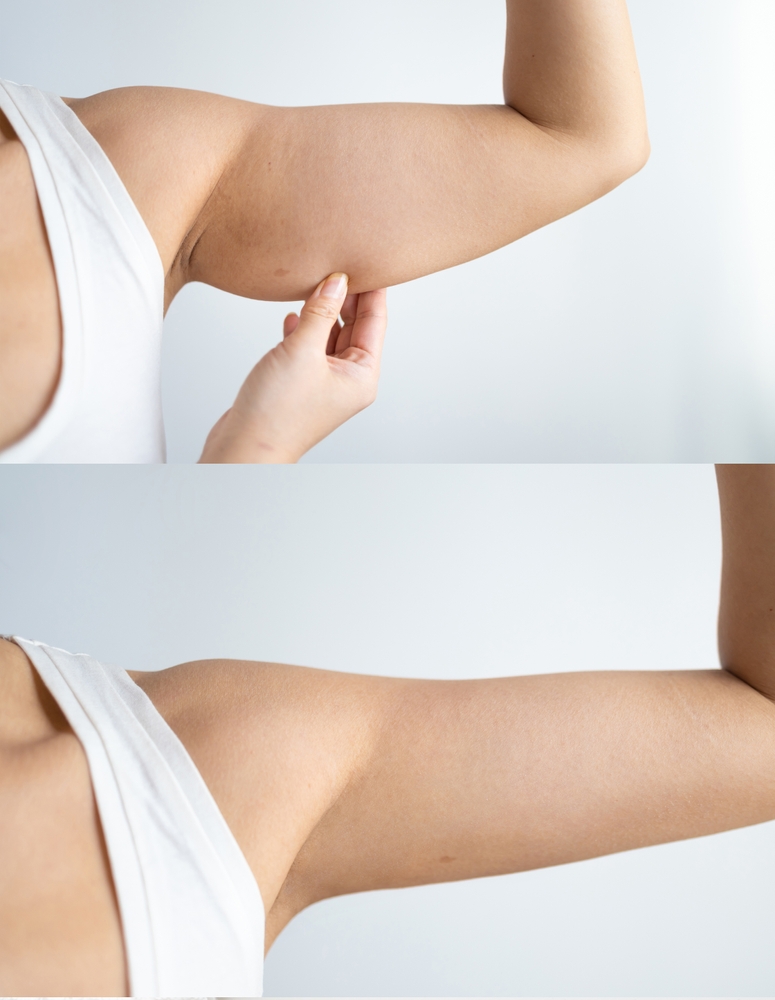
Months 6–18: Scar Maturation and Final Appearance
The final phase of brachioplasty scar healing is scar maturation, during which the scar reaches its closest to permanent appearance. Color continues to lighten — transitioning from pink or red toward a softer, skin-toned hue — and firmness gradually resolves. For many patients, scars that once felt thick and rope-like become nearly flat and much less noticeable by the twelve to eighteen month mark.
It is worth noting that “fully healed” does not always mean invisible. A well-healed arm lift scar is one that has flattened, faded, and softened to the point where it is discreet rather than prominent — visible on close inspection but not the first thing a person notices. For most patients, this is a trade-off they are happy with given the dramatic improvement in arm contour that brachioplasty delivers.
Months 6–18
What Factors Affect Scars After Arm Lift Surgery?
Not all brachioplasty scars heal the same way. Several factors influence how visible scarring becomes and how quickly it fades.
- Incision length and surgical technique play a significant role. The position of the incision — inner arm versus underarm — affects how easy the scar is to conceal. Dr. Allison carefully plans incision placement to keep scars as discreet as possible within the context of each patient’s anatomy and correction goals.
- Skin type and genetics affect how the body produces collagen and remodels scar tissue. Patients with darker skin tones may be more prone to hyperpigmentation at the scar site, while those with a history of raised or thickened scarring may require additional scar management strategies.
- Aftercare habits are one of the most controllable factors in scar outcomes. Patients who follow their post-operative instructions consistently, apply recommended scar treatments, and attend follow-up appointments tend to see better results than those who do not.
- Activity and tension on the incision matter significantly in the early weeks. Raising the arms too aggressively, returning to exercise too soon, or performing movements that stretch the inner arm can place stress on healing surgical incisions and affect how the scar forms.
- Sun exposure is one of the most underestimated factors in scar healing. UV exposure during the first year of healing can darken a scar and make it more noticeable over time. Protecting the scar area with clothing or broad-spectrum SPF whenever the arms are exposed is one of the simplest and most effective things patients can do to support scar reduction.
Scar Management Tips to Support Better Healing
Good scar care does not have to be complicated. A consistent routine started at the right time — once the incision has fully closed and with your surgeon’s approval — can make a meaningful difference in long-term results.
- Silicone scar sheets are among the most evidence-supported options for scar reduction. Worn over the scar area for several hours per day, they help flatten and soften the scar over time.
- Scar creams containing silicone or other active ingredients can complement sheet use and are easy to incorporate into a daily routine.
- Scar massage involves applying gentle pressure and circular motion to the scar to break down collagen, improve texture, and reduce firmness. Your surgeon or care team will advise on timing and technique.
- Compression garments support the healing body by reducing swelling and keeping the scar area stable during early recovery.
- Sun protection is non-negotiable. Keeping the scar covered or applying SPF consistently throughout the first year significantly reduces the risk of darkening or discoloration.
When to Talk to Your Surgeon About Arm Lift Scars
Most brachioplasty scars follow a normal, predictable healing pattern. However, there are situations where reaching out to your plastic surgeon is the right step. Signs that warrant a conversation include:
- A scar that becomes increasingly raised, thickened, or extends beyond the original incision line, which may indicate hypertrophic scarring
- Persistent redness or warmth at the scar site well beyond the expected healing window
- Pain, discharge, or changes that suggest infection or delayed wound healing
- Noticeable asymmetry or visible distortion of the scar area that does not improve over time
These concerns are uncommon when arm lift surgery is performed by an experienced, board-certified plastic surgeon with a thorough post-operative care plan in place. When they do arise, early intervention produces the best outcomes.
Scar Revision and Advanced Scar Treatments
For patients whose brachioplasty scars do not improve as expected with standard scar care, several additional scar treatments are available. These are typically considered after the scar has matured — usually at the twelve-to-eighteen-month mark or beyond — when the tissue has stabilized.
- Laser therapy can improve scar color, texture, and overall appearance by targeting the surface and underlying layers of the skin
- Steroid injections are commonly used to reduce raised or thickened scar tissue and can significantly flatten hypertrophic scars over a series of treatments
- Scar revision surgery involves surgically removing or repositioning the scar to create a less visible result, and may be appropriate in select cases where conservative treatments have not achieved the desired outcome
Your surgeon can evaluate the scar at follow-up visits and recommend the most appropriate treatment path based on how healing has progressed.
Arm Lift Recovery and Results at Becker Aesthetics & Plastic Surgery
Brachioplasty scars are a real and expected part of arm lift surgery — but they are also one of the most manageable aspects of the recovery process when approached with the right expectations and the right care. The same procedure that produces smoother, firmer upper arms also produces a scar that, for the vast majority of patients, becomes discreet and easy to live with over time.
At Becker Aesthetics & Plastic Surgery, Dr. David W. Allison provides personalized guidance throughout every phase of arm lift recovery, from the first post-operative visit through long-term scar management. Patients across Philadelphia, Princeton, Voorhees, Sewell, and the surrounding New Jersey area trust our practice for body contouring procedures that deliver natural, lasting results. If you are considering brachioplasty or have questions about what recovery involves, contact one of our offices to schedule a consultation.
Frequently Asked Questions About Arm Lift Scars