A crooked nose is rarely just a cosmetic concern. For many people, it comes with real, everyday consequences: difficulty breathing, chronic congestion, or simply a persistent self-consciousness that is hard to shake. Understanding what is actually behind the crookedness is the first step toward finding the right solution.
At Becker Aesthetics & Plastic Surgery in Philadelphia, PA, a team of board-certified facial plastic surgeons evaluates each patient individually to determine whether rhinoplasty, septorhinoplasty, or another approach is the most appropriate path forward.

Five Things to Know About Crooked Noses and Rhinoplasty
- A crooked nose can result from genetics, injury, a deviated septum, or previous nasal surgery.
- Nasal asymmetry often affects both appearance and breathing, sometimes at the same time.
- Rhinoplasty addresses the underlying bone and cartilage structure, not just the surface.
- Both cosmetic and functional concerns can often be addressed in a single procedure.
- Surgeon experience is especially important when correcting complex nasal deviations.
Common Causes of a Crooked Nose
No two crooked noses are exactly alike, and the cause matters when planning treatment. Some patients are born with nasal asymmetry, while others develop it over time or following an injury. The most common reasons a nose may appear crooked or uneven include:
- Genetics and natural asymmetry. Natural facial asymmetry is present to some degree in nearly everyone. For some patients, the nasal bones or cartilage framework simply develop in a way that causes the nose to lean or curve to one side, not because of any injury or medical condition, but simply because of how that person’s nose grew.
- Nasal trauma or a broken nose. A broken nose, even one that healed without formal treatment, can result in nasal bones that set unevenly or cartilage that shifts out of alignment. Sometimes the crooked appearance is immediately apparent after an injury. In other cases, it becomes more noticeable as swelling resolves or as the patient ages.
- Deviated septum. The nasal septum is the cartilage and bone partition dividing the two nasal passages. When it leans significantly to one side, it can affect the external appearance of the nose as well as airflow through the nasal passages. Patients with septal deviation often experience breathing problems and chronic congestion alongside cosmetic concerns.
- Previous nasal surgery. Prior rhinoplasty, whether performed elsewhere or years ago, can sometimes leave residual asymmetry, weakened cartilage support, or changes to the nasal tip that contribute to a crooked appearance over time.
- Developmental changes during growth. The nose continues to develop through adolescence, and in some cases, uneven growth of the bone and cartilage framework results in noticeable crookedness by the time growth is complete.
How a Crooked Nose Affects Appearance and Breathing
Because the nose sits at the center of the face, even a mild deviation can draw attention and disrupt overall facial balance. Patients often notice their nose looks crooked in photos, from certain angles, or when comparing the two sides of the face directly. For some, this affects confidence in social and professional settings in ways that are difficult to dismiss.
The functional side of the issue is equally significant. A crooked nose that involves the nasal septum or internal cartilage structures can narrow the nasal airway, leading to breathing difficulties, mouth breathing, disrupted sleep, and chronic congestion. In these cases, treating the cosmetic concern without also addressing the structural problem may produce an incomplete result.
Rhinoplasty Patient Results
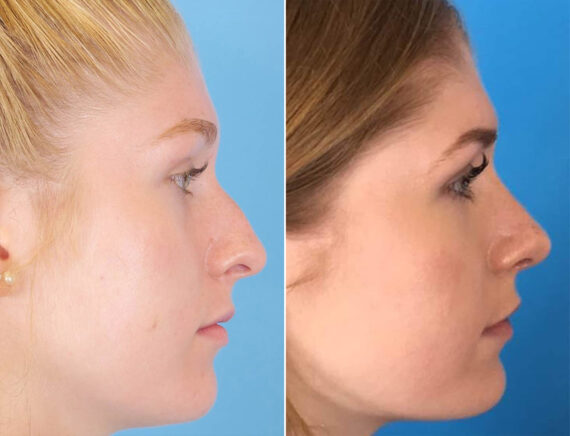
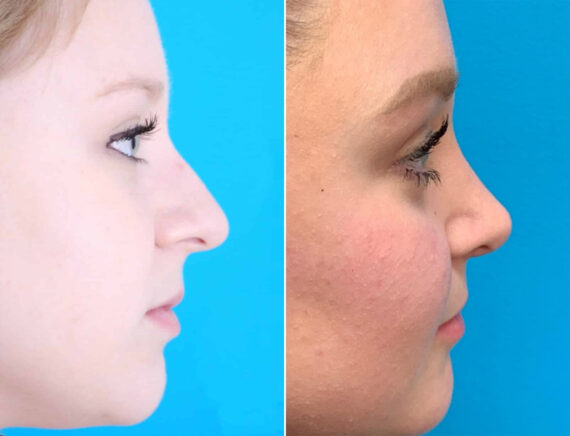
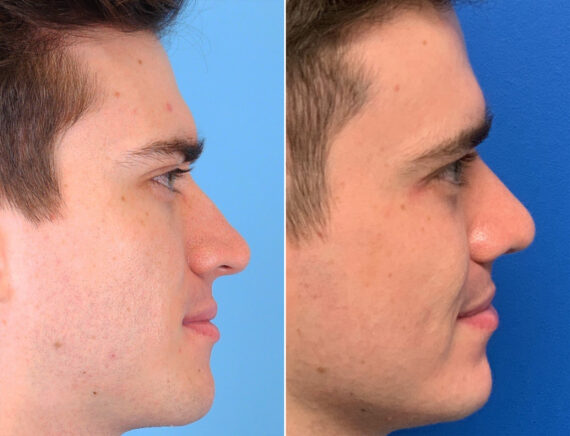
* All patients are unique and individual results may vary.
Can Rhinoplasty for a Crooked Nose Improve Symmetry and Breathing?
Yes, and for many patients, it can address both goals at once. Rhinoplasty for a crooked nose focuses on the underlying structural causes of asymmetry rather than surface-level correction alone. Depending on what is causing the deviation, the procedure may involve:
- Repositioning the nasal bones through carefully placed osteotomies
- Reshaping or reinforcing cartilage in the middle and lower portions of the nose
- Reinforcing the nasal airway with cartilage support techniques to improve breathing
- Correcting septal deviation through septorhinoplasty when both function and appearance are affected
The goal is not a perfectly symmetrical nose, no face is perfectly symmetrical, but rather a straighter, more balanced appearance that fits naturally with the rest of the patient’s facial features. When breathing issues are present, restoring proper nasal airflow is an equally important part of the outcome.
Surgical techniques are selected based on the specific anatomy and the degree of deviation involved. More significant crookedness, particularly when it involves the nasal bones or a severely deviated septum, typically requires a more involved surgical approach than mild asymmetry limited to soft tissue or the nasal tip.
Plastic Surgery Results and Risks: What Patients Should Know
As with any surgical procedure, rhinoplasty for a crooked nose carries potential risks alongside its benefits. Swelling, bruising, and temporary congestion are expected in the early recovery period. More significant complications are uncommon when the procedure is performed by an experienced facial plastic surgeon, but patients should have a clear understanding of both the realistic results and the recovery timeline before moving forward.
Early improvements are visible within a few weeks, but final results develop gradually as swelling resolves. The nasal tip, in particular, can take several months to fully refine. Most patients find the recovery manageable, with a return to non-strenuous activities within 1 to 2 weeks.
Choosing the right surgeon significantly influences outcomes. Crooked nose rhinoplasty is among the more technically challenging nasal procedures, particularly when prior surgery, trauma, or septal deviation is involved. Surgeons with dedicated expertise in facial plastic surgery and nasal anatomy are better equipped to plan and execute the kind of precise corrections these cases require.
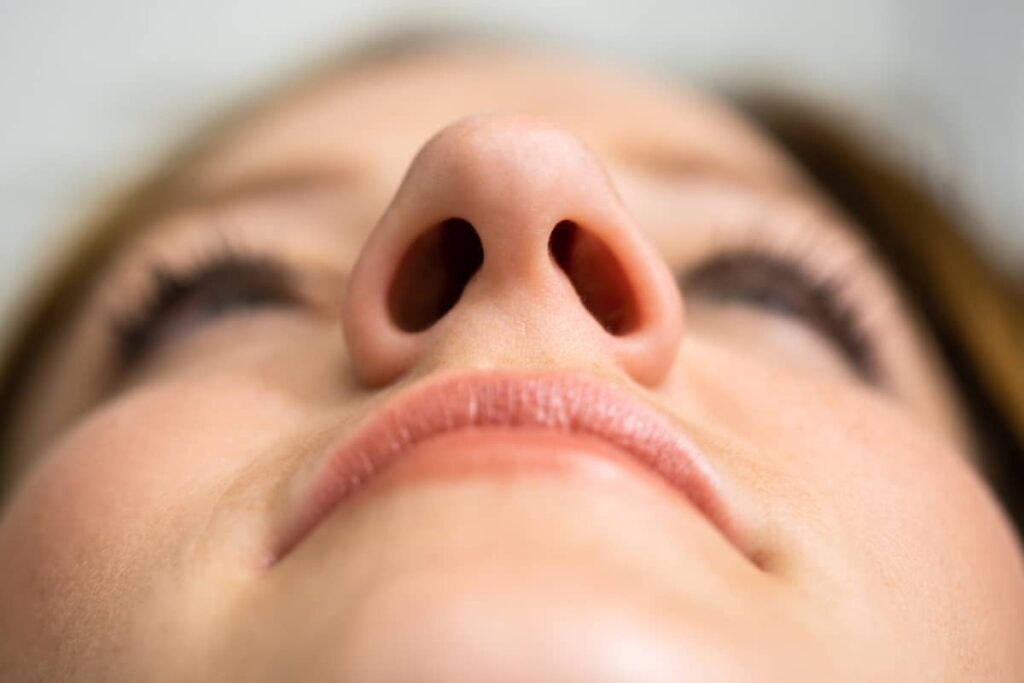
At Becker Aesthetics & Plastic Surgery, patients from Philadelphia, South Jersey, Princeton, Voorhees, and surrounding areas have access to a team with extensive experience in both cosmetic and functional rhinoplasty. Before and after photos in the gallery offer a realistic look at the kinds of outcomes patients have achieved.
Get the right approach for your nose
Experience world-class treatment from our top-rated providers at Becker Aesthetics & Plastic Surgery in Philadelphia.
Schedule a Crooked Nose Rhinoplasty Consultation in Philadelphia
If a crooked nose is affecting your confidence, your breathing, or both, a consultation at Becker Aesthetics & Plastic Surgery is a good place to start. The surgeons here will evaluate your nasal structure, discuss your goals, and recommend the approach most likely to produce a result you are happy with, whether that means rhinoplasty, septorhinoplasty, or a nonsurgical option for the right candidate. Contact the Philadelphia office today to arrange your appointment.
Frequently Asked Questions About Rhinoplasty for a Crooked Nose