
Rhinoplasty for Saddle Nose in Philadelphia
A saddle nose deformity is a structural condition in which the bridge of the nose loses height and support, creating a flattened or collapsed appearance. Unlike more common cosmetic nasal concerns, saddle nose deformity affects both the external shape of the nose and its internal framework. For many patients, rhinoplasty for saddle nose is necessary not only to restore a balanced nasal profile, but also to rebuild the strength and stability required for normal nasal function.
At Becker Plastic Surgery, rhinoplasty for saddle nose in Philadelphia is approached as a reconstructive procedure rooted in facial plastic surgery principles. Patients from Center City, Rittenhouse Square, University City, South Philadelphia, and nearby areas such as Cherry Hill, Bala Cynwyd, King of Prussia, and the Main Line frequently seek consultation for saddle nose deformities related to trauma, prior surgery, or progressive structural collapse.
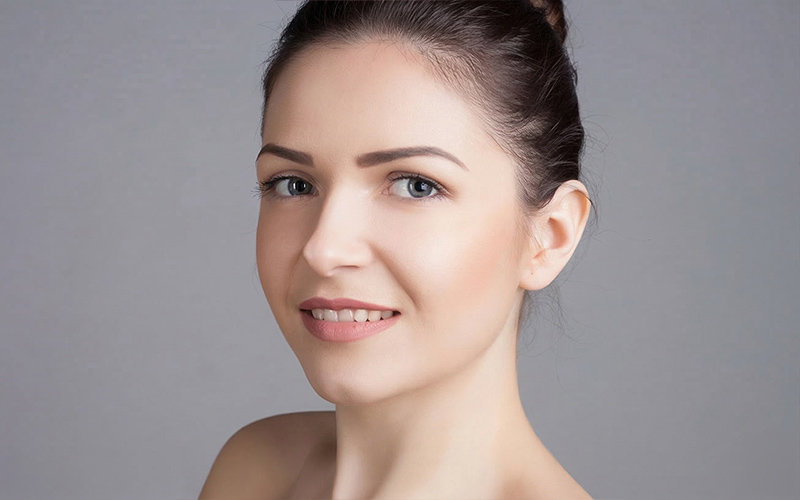





Understanding Saddle Nose Deformity and Nasal Structure
A saddle nose deformity occurs when the nasal dorsum—the bridge of the nose—loses support and sinks inward. This loss of height may be mild or pronounced, depending on how much of the underlying structure has been compromised.
The nasal bridge is supported by nasal bones in the upper portion of the nose and septal cartilage throughout the central framework. When these structures weaken or collapse, the nose can lose projection, appear shortened, and become unstable. Saddle deformity is sometimes described as a “pug nose” appearance, though the severity and presentation vary widely.
Common causes of saddle nose deformity include prior rhinoplasty surgery with excessive cartilage removal, nasal trauma, septal perforation, inflammatory conditions such as polychondritis or granulomatosis with polyangiitis, and congenital weakness of nasal cartilage. Identifying the underlying cause is critical, as it directly influences the surgical approach.
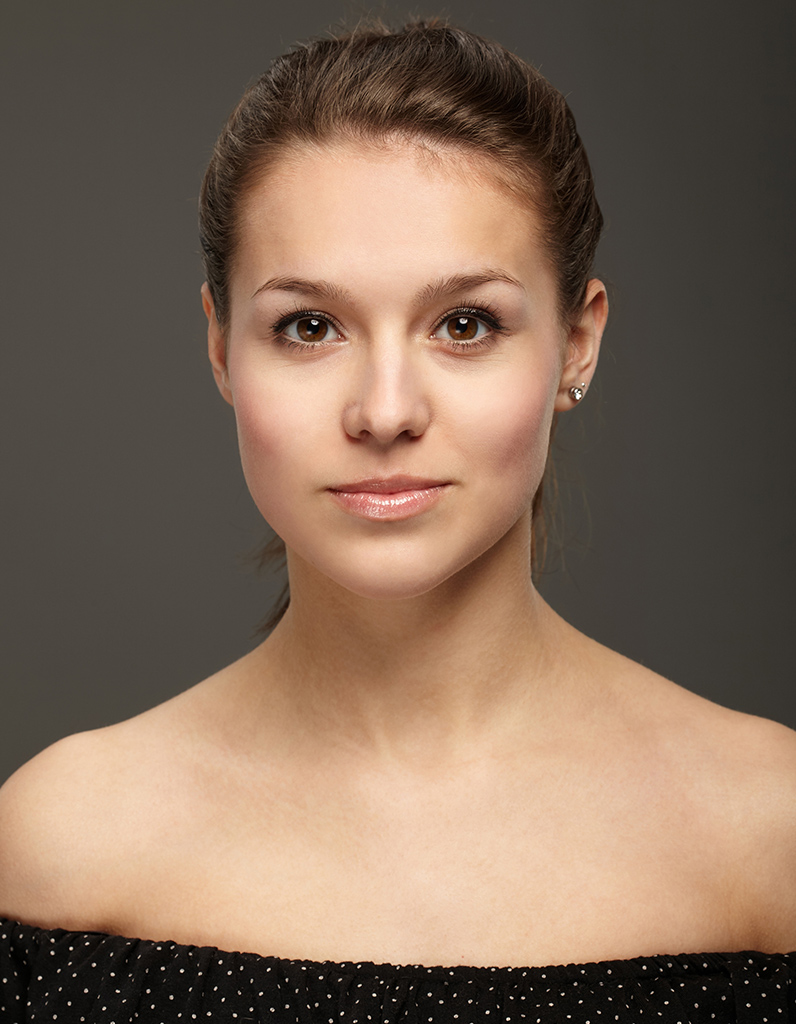
Reconstructive Rhinoplasty Techniques for Saddle Nose
Rhinoplasty for saddle nose is a form of augmentation rhinoplasty focused on rebuilding, not reducing, the nasal framework. The primary goal is to restore nasal height, alignment, and strength along the dorsum while preserving natural proportions.
Dorsal Augmentation and Structural Support
Correction typically involves dorsal augmentation, in which the nasal bridge is rebuilt using graft material. Rather than shaving or removing tissue, the surgeon adds support to replace what has been lost. This restores nasal height and improves the overall nasal profile.
Use of Autologous Cartilage Grafts
Most saddle nose rhinoplasty procedures rely on autologous tissue—cartilage taken from the patient’s own body—because it integrates reliably and provides long-term stability. Depending on availability and severity, graft material may come from:
- Septal cartilage, when sufficient tissue remains
- Auricular (ear) cartilage for moderate support needs
- Costal (rib) cartilage in more severe deformities requiring substantial reconstruction
In complex cases, harvesting costal cartilage allows the surgeon to rebuild the nasal dorsum and septum with adequate strength and durability.
Why Saddle Nose Requires Reconstructive Rhinoplasty Surgery
Saddle nose deformity is more than a cosmetic concern. It represents a failure of the nasal support system, which can affect appearance, breathing, and long-term stability.
Loss of dorsal support alters the nasal profile, often flattening the bridge and disrupting facial balance. Without proper support, the nasal tip may droop or widen, and the nostrils can lose definition. Over time, these changes may progress if the structural deficiency is not addressed.
Functionally, collapse of the nasal septum and surrounding cartilage can compromise airflow through the nasal passages. Many patients experience breathing difficulties or nasal obstruction, particularly during physical activity or sleep. For this reason, saddle nose correction often overlaps with functional nasal surgery.
Expected Rhinoplasty Results for Saddle Nose Correction
Rhinoplasty results for saddle nose focus on both appearance and function. Successful reconstruction restores nasal height, improves profile balance, and reinforces the underlying structure of the nose.
* All patients are unique and individual results may vary.
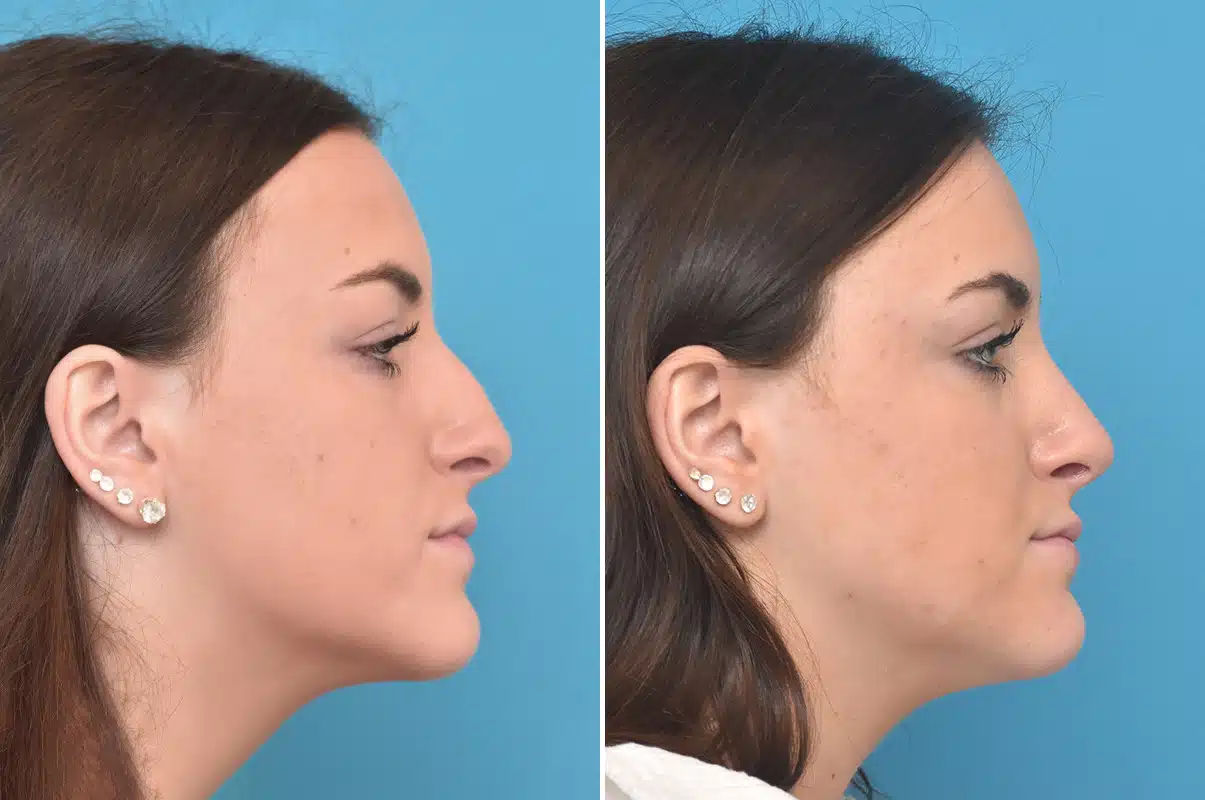
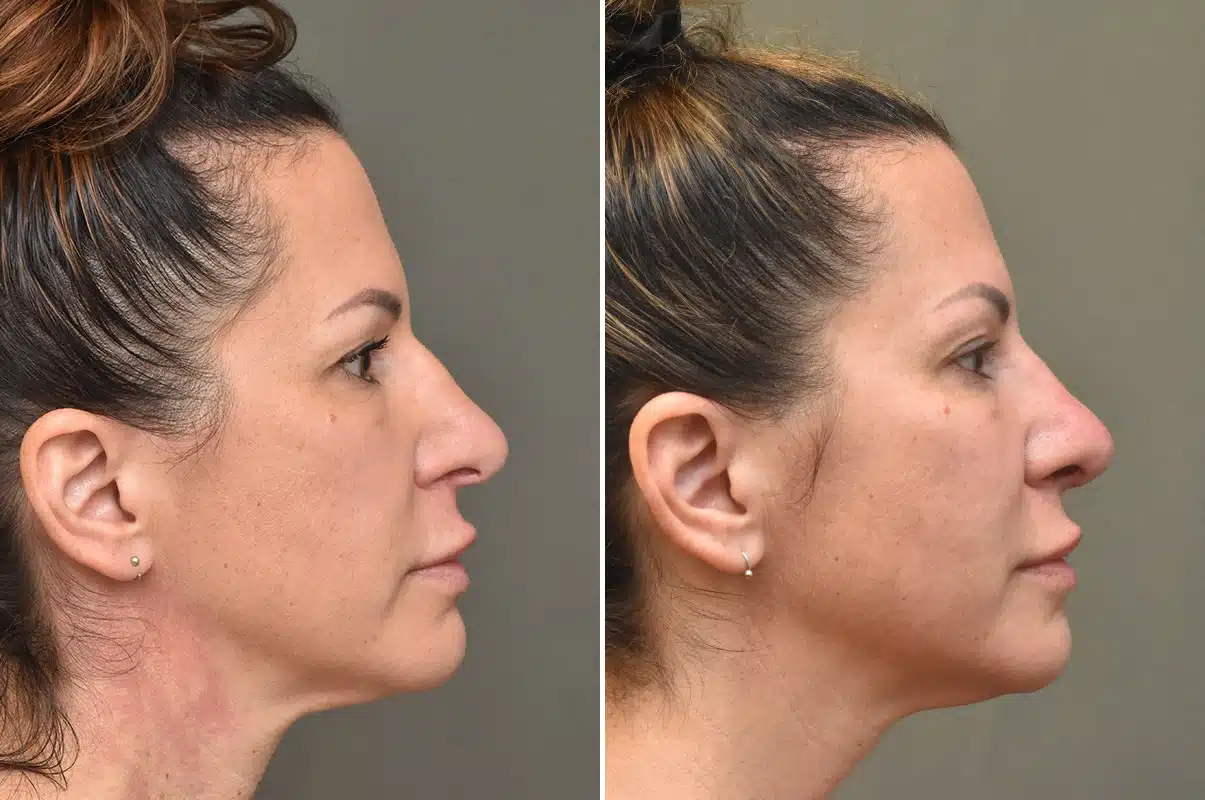
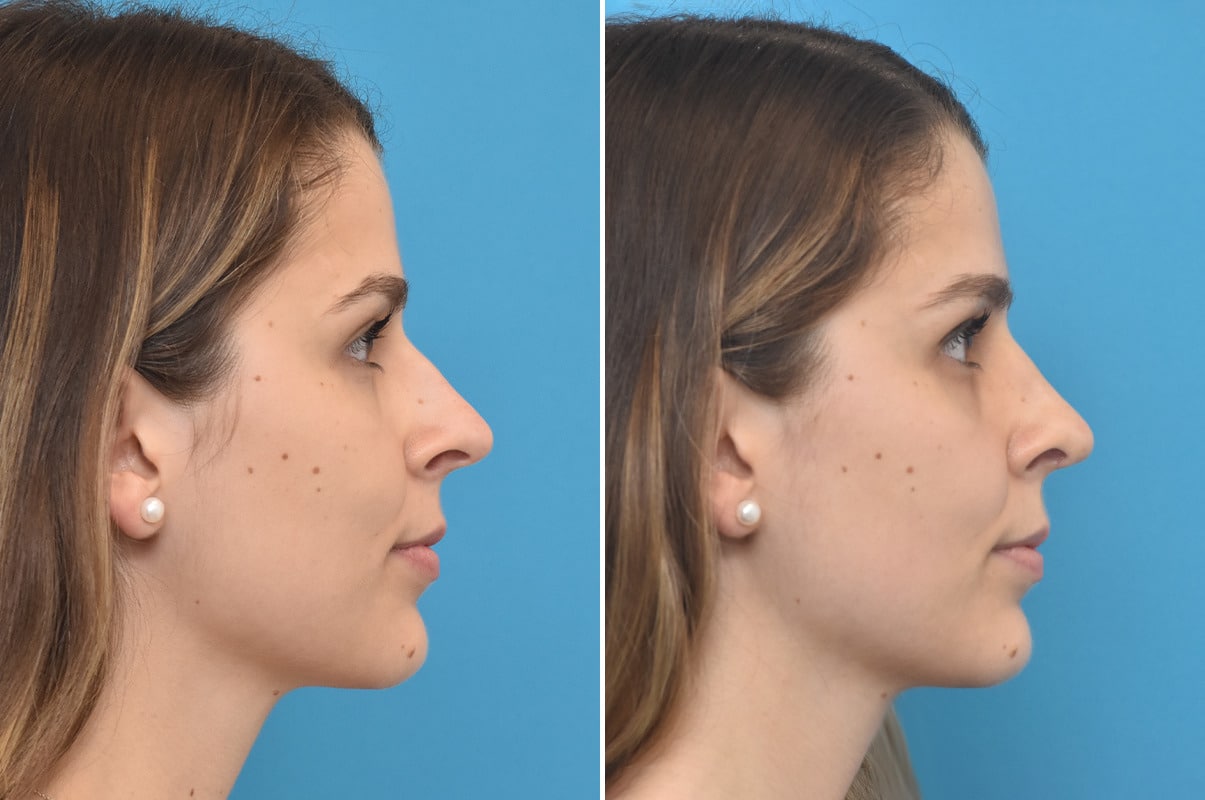
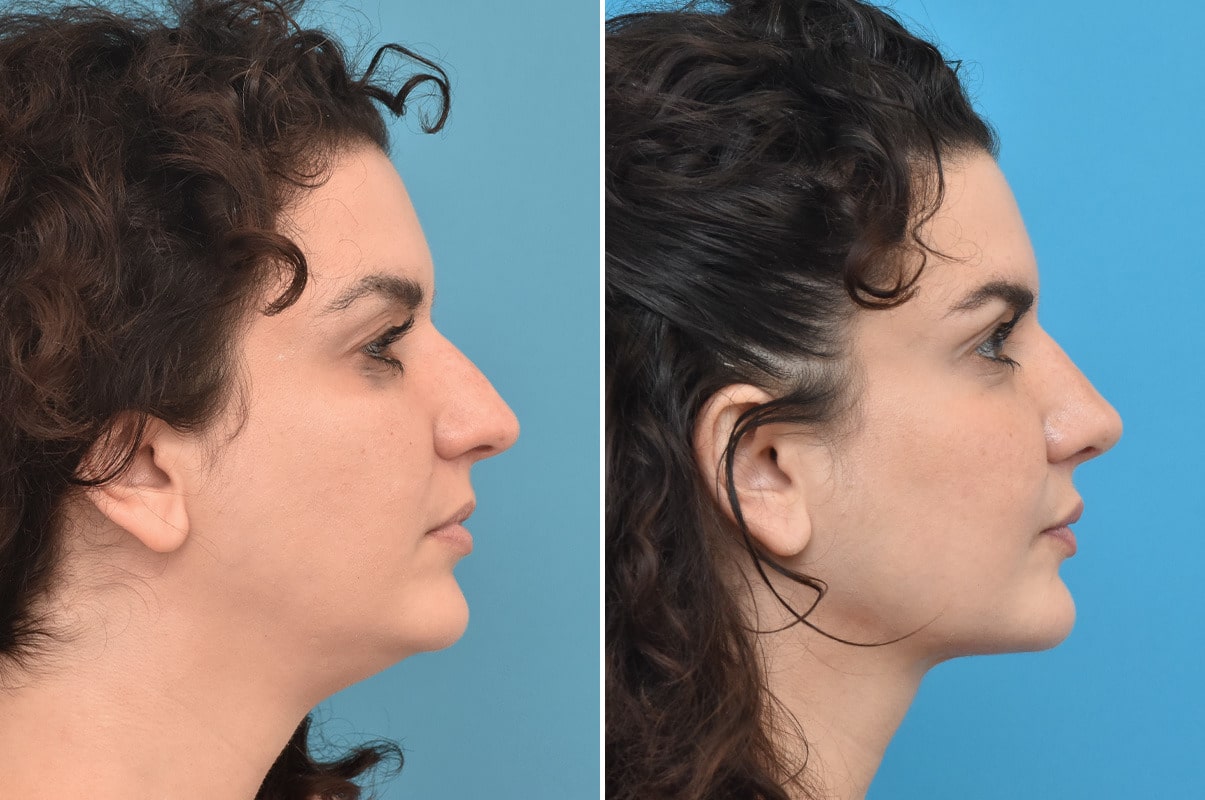
Patients can expect a smoother, more natural nasal bridge that aligns with their facial features rather than an over-augmented appearance. When structural support is properly restored, nasal function often improves as well, reducing breathing difficulties caused by collapse or instability.
Before-and-after photos reviewed during consultation help illustrate realistic outcomes based on similar nasal anatomy and degrees of deformity.
“I had an amazing experience getting my rhinoplasty done by Dr. Lozada. I was very nervous and really wanted a natural look and Dr. Lozada answered every single one of my questions and concerns and he totally put my mind at ease. The best part is that my nose looks AMAZING and completely natural. Not only is he an amazing surgeon, but he’s also one of the most patient and kind doctors I have ever met!”

Recovery After Rhinoplasty for Saddle Nose
Recovery following reconstructive rhinoplasty for saddle nose deformity is gradual and reflects the complexity of the procedure.
During the first two weeks, swelling, bruising, and nasal congestion are common. A nasal splint is typically used to protect the reconstructed bridge and support healing. Most patients return to non-strenuous activities within a few weeks, though physical exertion must be limited initially.
Long-term healing continues over several months as swelling resolves and cartilage grafts integrate with surrounding tissue. Final rhinoplasty results develop progressively, with stability and refinement improving over time.
Cost of Rhinoplasty for Saddle Nose in Philadelphia
The cost of rhinoplasty for saddle nose varies depending on the extent of reconstruction required. Factors influencing cost include the severity of the deformity, the need for cartilage grafting, whether the procedure is primary or revision rhinoplasty, anesthesia requirements, and operating facility considerations.
A personalized consultation allows for accurate surgical planning and a detailed cost estimate. Financing options may be available to help patients plan for reconstructive nasal surgery.
Choosing a Rhinoplasty Surgeon in Philadelphia
Saddle nose correction is among the more technically demanding rhinoplasty procedures. Experience with reconstructive surgery, cartilage grafting, and revision rhinoplasty is essential to achieving durable, natural results.
Patients benefit from working with a facial plastic surgeon who understands nasal anatomy, structural support, and long-term functional considerations, rather than focusing solely on surface appearance.
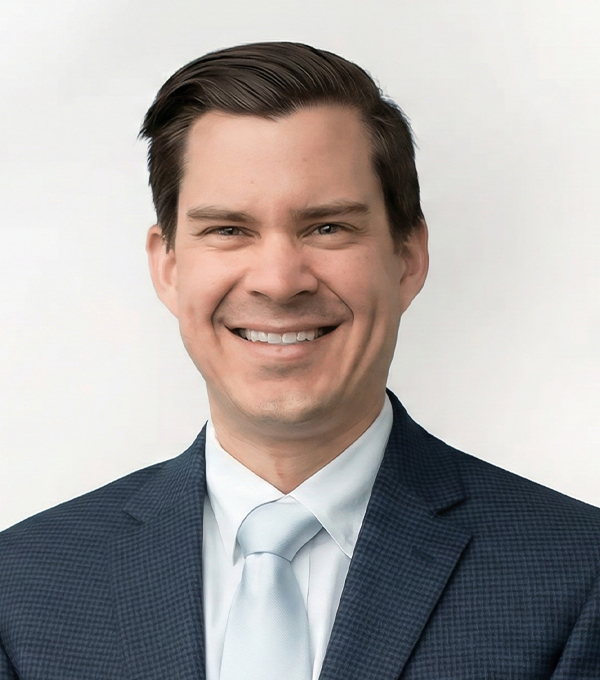
- Completed his fellowship at the University of Pennsylvania and has trained with the top Facial Plastic Surgeons in Philadelphia, New York, and New Jersey.
- Has traveled to Ica, Peru with Healing the Children on multiple occasions performing a high volume of cleft lip and palate surgery.
- Is currently a member of the American Academy of Facial Plastic & Reconstructive Surgery and has numerous publications and presentations in the field of facial plastic surgery.
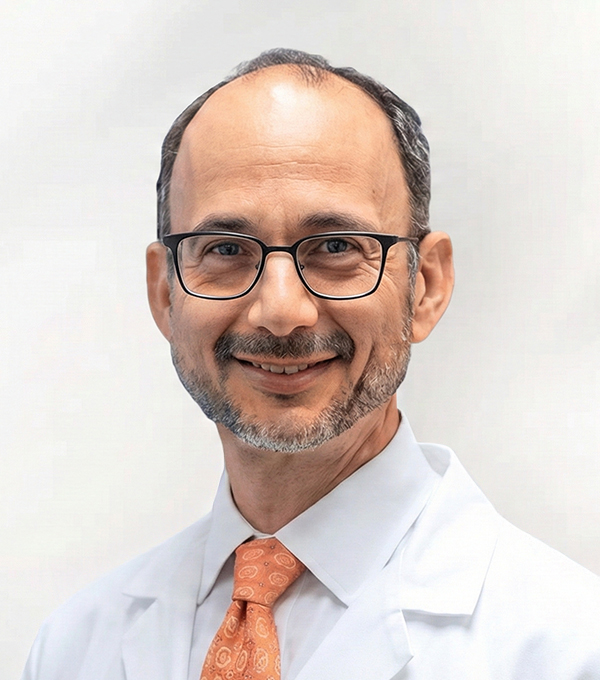
- Board Certified by the American Board of Otolaryngology (ENT).
- Board Certified by the American Board of Facial Plastic and Reconstructive Surgery (ABFPRS).
- Fellow of the American College of Surgeons (FACS).
- Top-Rated by US News and World Report, Philadelphia Magazine, South Jersey Magazine, Castle-Connelly, and others.
- Read more about rhinoplasty specialist Dr. Becker’s credentials
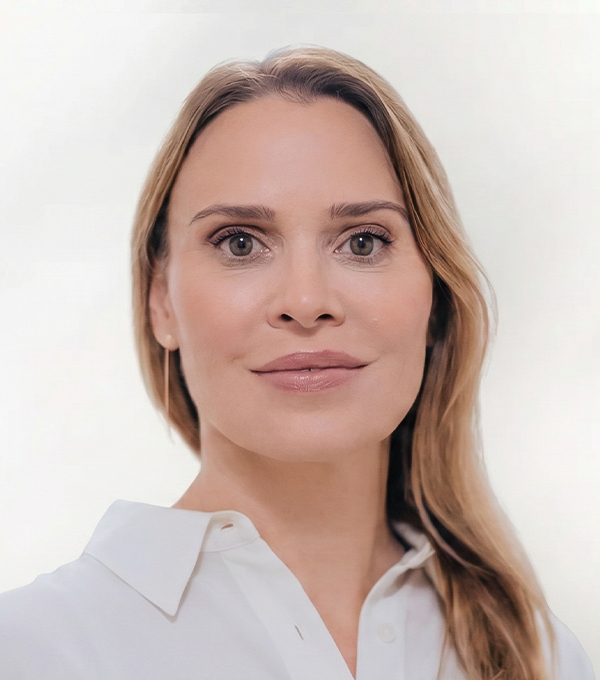
- She is a double board certified surgeon in Facial Plastic and Reconstructive Surgery and Otolaryngology & Head/Neck Surgery.
- Is a member of the American Academy of Facial Plastic and Reconstructive Surgery.
- Has over 20 years of experience, 15+ years in private practice and has performed hundreds of facelift surgeries.
- Dr. Schrader Recognized as Best Plastic Surgeon by Town Topics Readers’ Choice Awards.
Pick one of our 6 convenient locationsfor Your Plastic Surgery Needs
Speak With a Philadelphia Rhinoplasty Specialist
If a saddle nose deformity is affecting your appearance or breathing, a personalized consultation can help determine whether reconstructive rhinoplasty surgery is appropriate.
Becker Plastic Surgery welcomes patients from Philadelphia, Center City, South Jersey, and surrounding Pennsylvania communities.
Office Location
1608 Walnut Street, 9th Floor, Suite 902B
Philadelphia, PA 19103
Phone
(215) 944-5158