
Quick Answer: Yes, Botox can help soften certain smile lines, particularly those influenced by repeated facial movement. However, not every smile line develops for the same reason, so the best treatment depends on the location of the line, how it appears during expression, and the underlying cause.
As facial expressions and natural aging gradually change the skin, smile lines can become more noticeable over time. For people looking for a non-surgical way to soften these expression lines while maintaining natural movement, Botox may be an option.
Understanding how Botox works, where it can be effective, and its limitations can help you know what to expect before treatment. We will cover the most important factors to consider when exploring Botox for smile lines.

Key Takeaways
- Botox may help soften smile lines caused primarily by repeated facial movement.
- It is generally most effective for dynamic lines that become more visible during expression.
- Not every smile line develops for the same reason, so Botox may not be appropriate for every type.
- Treatment around the mouth requires careful placement to preserve natural facial movement.
- A professional facial assessment can determine whether Botox is the best treatment for your specific concerns.
How Botox Works for Smile Lines
Botox works by temporarily relaxing targeted facial muscles, reducing the movement that contributes to expression lines. By reducing movement in carefully selected muscles, the skin above them may fold less strongly during expression, helping soften the appearance of movement-related smile lines.
Relaxes muscles
Botox works by temporarily relaxing targeted facial muscles, reducing the movement that contributes to expression lines. By reducing movement in carefully selected muscles, the skin above them may fold less strongly during expression, helping soften the appearance of movement-related smile lines.
Best for dynamic lines
Botox is primarily used to soften dynamic wrinkles, or lines that appear or become more noticeable when you smile, laugh, or make other facial expressions. Lines that remain visible when the face is at rest may be influenced by additional factors, such as changes in the skin or underlying facial support, and may respond less to Botox alone.
Prevents deepening
By reducing repeated muscle movement in targeted areas, Botox may decrease the repeated folding of the skin that contributes to the appearance of expression lines over time. The effect and suitability of treatment depend on the location of the lines and the individual patient’s facial anatomy.
Is Botox Right for Your Smile Lines?
Botox may be an option when repeated muscle movement is a major contributor to your smile lines, and you want a non-surgical treatment that preserves natural expression.
It may be less appropriate when deeper lines are primarily related to volume loss, structural changes, or other factors that Botox does not directly address. In these cases, dermal fillers or another treatment may be considered. A facial assessment can help determine which approach best suits your anatomy and concerns.
When Botox is used specifically for smile lines around the mouth, this is considered an off-label use because perioral smile lines are not among the current FDA-approved indications for BOTOX Cosmetic.
How Many Units of Botox for Smile Lines
There is no standard number of Botox units for smile lines. The amount needed depends on the location of the lines, the muscles involved, their strength, and the patient’s facial anatomy. Treatment around the mouth typically requires a conservative approach because even small changes in muscle activity can affect natural facial movement.
Published techniques for lower-face and perioral Botox use individualized dosing. The BOTOX Cosmetic prescribing information also notes that its potency units are product-specific and cannot be directly compared with or converted to units of other botulinum toxin products. An experienced injector can determine the appropriate amount after evaluating how your smile lines behave during facial expression.
What Affects the Cost of Botox for Smile Lines?
The cost of Botox for smile lines varies because treatment is customized to the individual patient. Factors such as the area being treated, the amount of product needed, and the treatment plan recommended by your injector can all influence the final cost.
Because smile lines can have different causes and may require different approaches, an in-person assessment is the best way to determine what treatment is appropriate. Your provider can then review the recommended treatment plan and associated cost with you.
Botox Patient Results
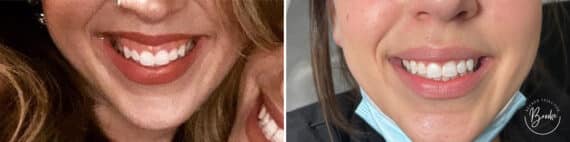
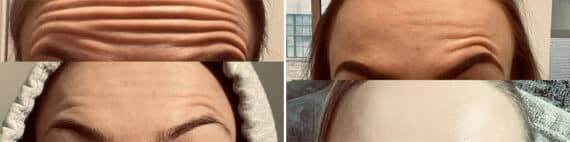
* All patients are unique and individual results may vary.
Risks and Side Effects of Botox Around the Mouth
Botox can cause temporary effects such as tenderness, swelling, bruising, or discomfort at the injection site. Because the muscles around the mouth are involved in talking, eating, drinking, and facial expression, treatment in this area requires especially precise placement.
Possible side effects can include:
- Temporary bruising, swelling, or tenderness at the injection site
- An uneven or asymmetrical smile
- Temporary lip weakness
- Difficulty with movements such as speaking, sipping through a straw, or whistling
- Unintended weakness in nearby muscles if the toxin affects surrounding areas
More serious effects are uncommon but possible and can include problems with swallowing, speaking, or breathing if the effects of the toxin spread beyond the treated area. Treatment should therefore be performed by a qualified medical professional familiar with lower-face anatomy.
Looking for More Botox Solutions?
Experience world-class treatment from our top-rated providers at Becker Aesthetics & Plastic Surgery.
Botox or Fillers for Smile Lines?
Botox and dermal fillers can both soften smile lines, but they address different causes. Botox reduces targeted muscle activity, making it better suited to lines that become more noticeable with facial movement. FDA-approved dermal fillers include products used for moderate-to-severe facial wrinkles and folds, including nasolabial folds and perioral lines.
For example, a line that appears mainly when you smile may respond to Botox if muscle movement is driving the crease. A deeper nasolabial fold that remains visible at rest may be better suited to a dermal filler. Some patients may also benefit from a combination of treatments when both movement and structural changes contribute to their concerns.
Which Dermal Fillers May Be Used for Smile Lines?
Certain hyaluronic acid fillers, including specific products in the Juvéderm and Restylane families, are FDA-approved for facial wrinkles, folds, or perioral lines. However, indications vary by individual product, so the appropriate filler depends on the area being treated, the depth of the crease, and the patient’s facial anatomy.
Selecting the Best Treatment for You
Choosing between Botox, fillers, or another approach depends on what is causing your smile lines. An experienced injector can assess whether muscle activity, volume changes, facial structure, or a combination of factors is contributing to the concern and recommend a treatment plan accordingly.
Ask a Botox Expert for Best Results
Choosing an experienced specialist is especially important when treating the lower face, where closely positioned muscles contribute to smiling, speaking, and other everyday movements. Understanding this anatomy helps the injector plan precise, conservative treatment while maintaining natural facial expression.
At Becker Aesthetics & Plastic Surgery, our board-certified surgeons and experienced injectors provide individualized facial aesthetic treatments based on each patient’s anatomy and goals. If you are considering Botox for smile lines, schedule a consultation to determine whether Botox or another treatment is appropriate for you.
Frequently Asked Questions About Botox for Smile Lines