Facelift in
New Jersey & Philadelphia
Natural beauty. Timeless confidence.

Medically reviewed by: Our Board-Certified Facial Plastic Surgeon & Rhinoplasty Specialists
Becker Aesthetics & Plastic Surgery helps patients address sagging skin, jowls, and other visible changes in the lower face and neck with a careful, individualized surgical approach.
Key Takeaways
A facelift in Philadelphia can address sagging skin, jowls, and visible aging in the lower face and neck.
The procedure is customized after a consultation that reviews your facial anatomy, skin quality, goals, health history, and prior procedures.
Facelift surgery may involve removing excess skin, tightening deeper facial structures, and improving definition along the jawline and neck.
Recovery usually includes swelling, bruising, follow-up visits, activity limits, and careful incision care during the first several weeks.
The best candidates understand the risks, follow pre- and post-surgery instructions, and have realistic expectations about what surgery can achieve.
| Procedure time | Typically 2–4 hours |
| Anesthesia | General anesthesia (full facelift) |
| Initial recovery | About 1–2 weeks |
| Back to work | Often after 2 weeks |
| Final results | About 6 months |
| Results last | Long-lasting; aging continues |
| Insurance | Discuss coverage at consultation |
| Age | Based on facial aging, health, and goals |
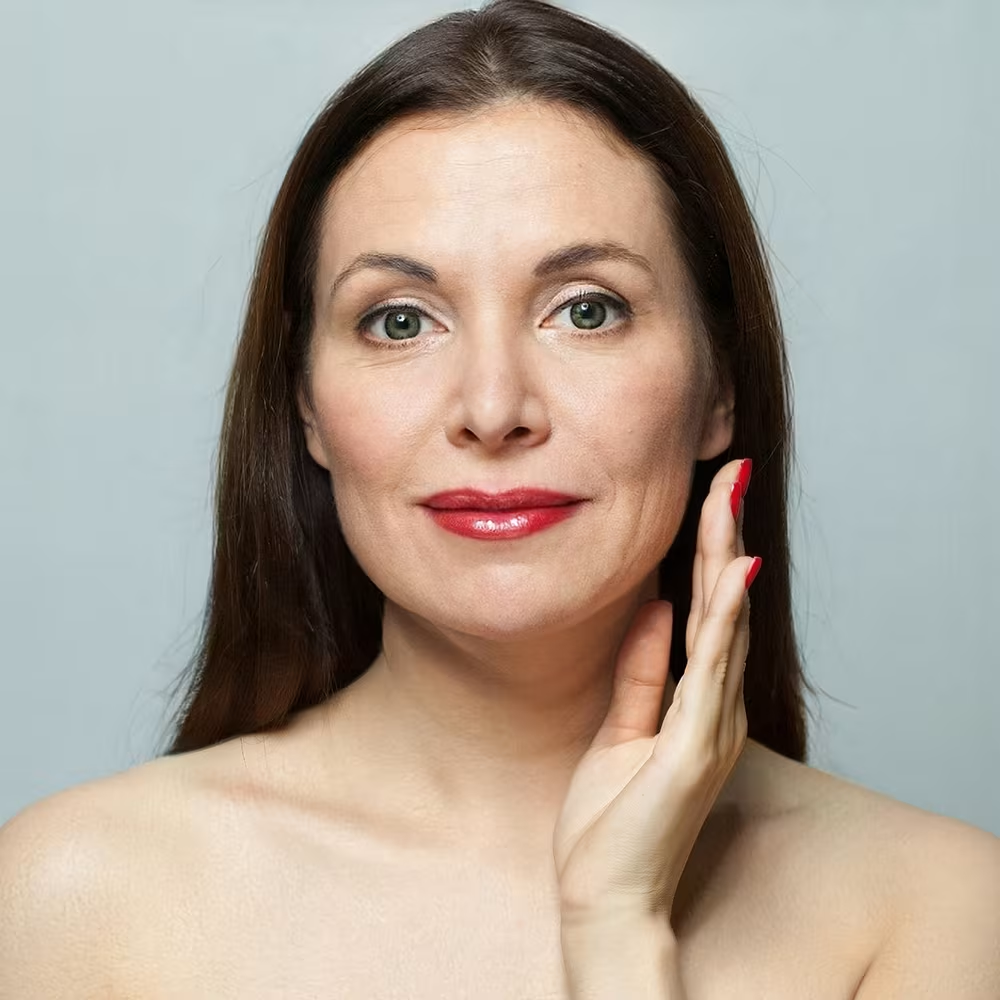
Benefits of a Facelift
For many patients, the goal is not to look different, but to feel more comfortable with what they see in the mirror. A facelift can help bring better balance to the lower face and neck while supporting a more confident appearance.
- Improves facial definition
- Reduces heaviness around the jawline
- Helps the neck and lower face look smoother
- Can make the face appear less tired
- Offers results that last longer than non-surgical options
What is a Facelift?
A facelift is a surgical procedure that lifts and tightens the lower face and neck. It is often used to improve loose skin, jowls, deeper facial folds, and loss of definition along the jawline.
During surgery, the underlying facial tissues are repositioned, excess skin is removed, and the incisions are placed where they can be hidden as much as possible around the ears or hairline. In some cases, fat beneath the chin or along the neck may also be adjusted to improve the overall contour.
Facial skin laxity makes us look old. Properly performed, a facelift will reduce sagging skin, and tighten the skin and other visible signs of aging in the lower face. The entire procedure as well as the facelift for men are designed to produce minimal scarring that can be easily camouflaged within the hairline. The results are long-lasting and can also be complemented with a chin augmentation or brow lift to achieve an even better facial balance.
According to the American Society of Plastic Surgeons, patients ages 55 to 69 made up 59% of all facelift patients in 2024, showing that facelift surgery is especially common among people addressing more noticeable facial aging.
ASPS 2024 Plastic Surgery Statistics Report
Are You an Ideal Candidate for a Facelift?
Ideal facelift candidates are individuals experiencing facial sagging, sun damage, or diminished skin elasticity who desire a more youthful appearance. During the consultation, surgeons assess factors like skin quality and the patient’s general health to ensure they can safely undergo the procedure.
Candidates who understand the recovery and aftercare instructions will benefit the most from this facial rejuvenation procedure. Those with minor signs of aging might be directed towards less invasive treatment options.

Consultation:
The First Step to Your Facelift Journey
A facelift consultation is the first step in your facial rejuvenation procedure. During this initial consultation, skilled surgeons evaluate your facial anatomy, discuss your aesthetic goals, and review your medical history, including any previous facial procedures. They examine the facial muscles, layers of skin, and overall skin quality to determine the best approach.
This is also the time to discuss any concerns about pain during recovery and understand the full spectrum of non-surgical treatments available. Understanding your cosmetic goals, such as addressing the appearance of jowls, nasolabial folds, marionette lines, or extra skin, is crucial for a tailored approach.
According to the American Society of Plastic Surgeons, ASPS member surgeons performed 79,058 facelift procedures in 2024, a slight increase from 78,482 in 2023.
ASPS 2024 Plastic Surgery Statistics Report
Facelift Services Across Various Locations
As a leading provider of facelifts in New Jersey, we are delighted to offer our expert facelift services in multiple convenient locations. Whether you are in Princeton, Yardley, Hillsborough, or our Philadelphia practice, the commitment to excellence in facial rejuvenation is unwavering. We understand the diverse needs of our clients in these areas.
We are proud to offer specialized care, ensuring that all our patients receive the highest standard of personalized treatment plans.
Our facilities across these regions are equipped with state-of-the-art technology, and our team is dedicated to providing a comfortable and transformative experience.
Every facelift at our Philadelphia office is performed by a board-certified surgeon with specialized training in facial plastic surgery. You’ll meet your surgeon at your consultation — and they’ll be with you every step of the way.
Dr. Schrader on Facelift Surgery
Facelift
Facelift surgery is not always about reaching a certain age. For some younger patients, significant weight loss can leave behind loose skin, jowling, or changes in the neck and midface that nonsurgical options may not fully address. The right timing comes down to anatomy, goals, and whether surgery is truly the best fit.
Facelift
A facelift should not erase your character or leave you looking pulled. The right technique can create a refreshed result that still feels familiar, just a more rested version of yourself. For Dr. Nicole Schrader, the goal is to turn back the clock subtly while preserving the features that make you look like you.
Facelift
Wondering when it’s the right time for a facelift? Dr. Nicole Schrader shares that there’s no “perfect age” — it’s all about your skin, lifestyle, and goals.
Facelift
A facelift can reposition deeper facial tissues, but it cannot undo decades of sun damage, collagen loss, fine lines, or pigmentation on its own. That is why Dr. Nicole Schrader and Injector Clai put so much value on long-term skin care and sun protection. Taking care of the skin earlier can help support better-looking results later on.
Facelift
Full facial rejuvenation doesn’t always mean surgery! Dr. Nicole Schrader shares how she helps patients who aren’t ready for a facelift — using non-invasive treatments to smooth, lift, and refresh the face for subtle, natural results.
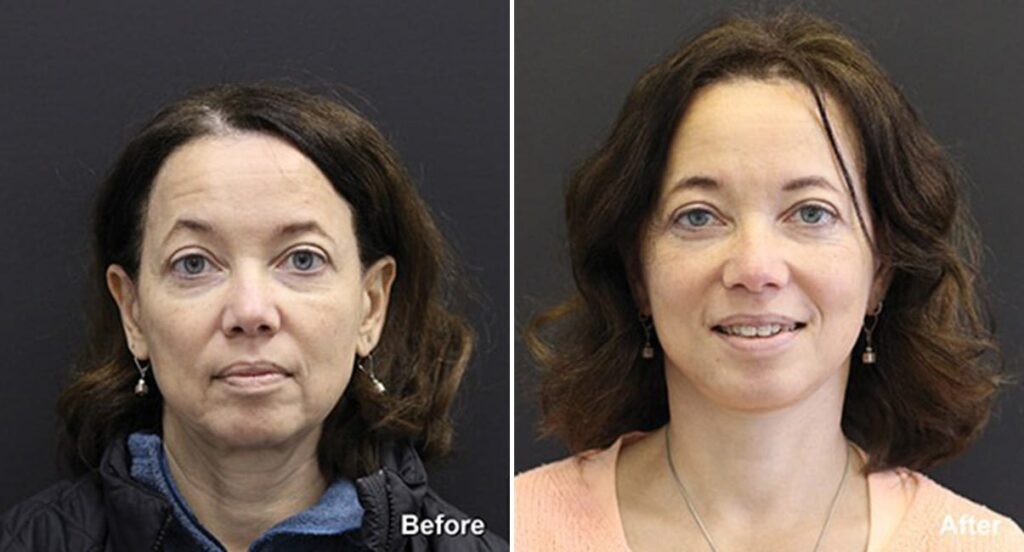
Before
After
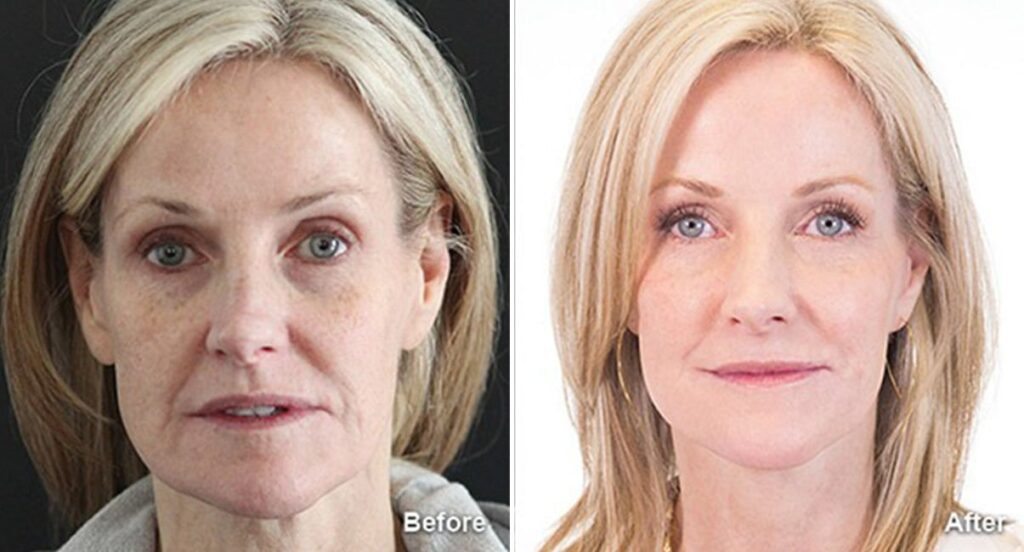
Before
After
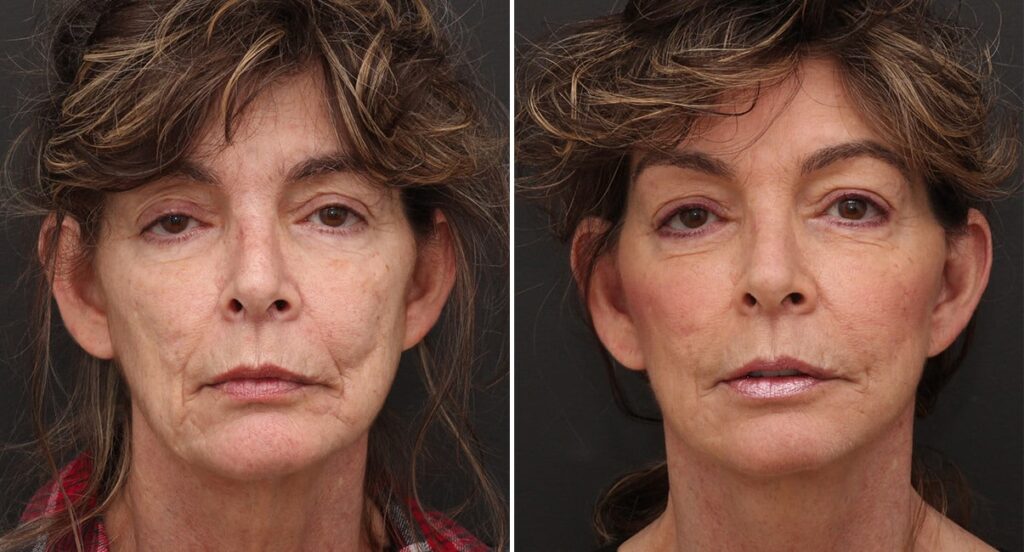
Before
After
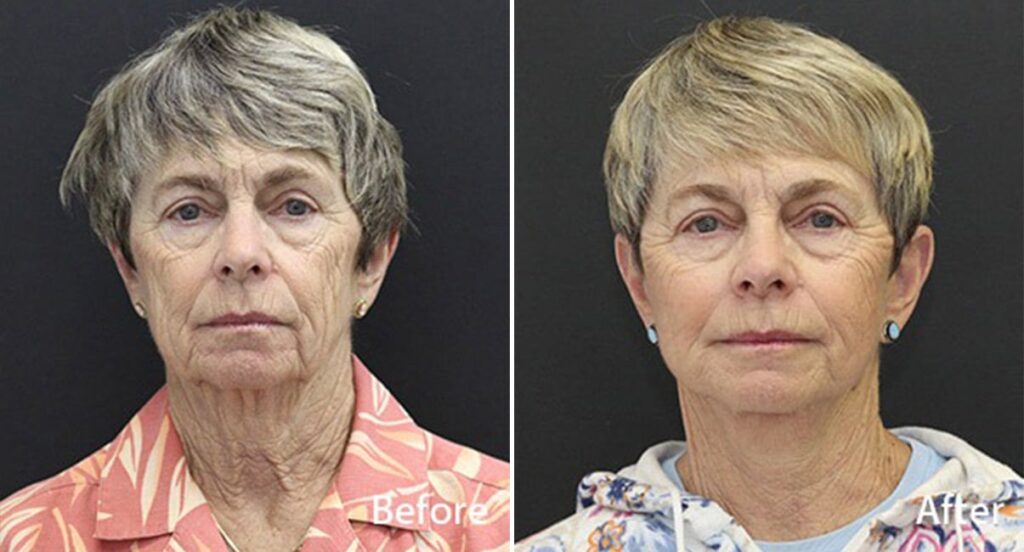
Before
After
* All patients are unique and individual results may vary.
Explaining the Facelift Procedure
Once you have attended a consultation and have a thorough understanding of the facelift techniques and your candidacy, you’ll be scheduled for surgery.
During the consultation process, you’ll get instructions on how to prepare for the procedure, including medications to avoid and aftercare instructions. Be sure to follow these steps closely, as doing so will reduce risks and promote great results.
You’ll be kept comfortably asleep under general anesthesia during the procedure.
The facelift incisions will be made around your face, placing the cuts in the hairline and/or behind the ears for minimal scarring.
Once the skin is lifted, fat is extracted or redistributed, and any muscle tightening is complete.
The remaining loose skin will be cut away and reattached at the hairline for a smooth look with less drooping and fewer wrinkles.
What’s the Difference Between a Facelift and a Mini Facelift?
During a facelift, a long incision is made from the temples down in front of the ears to the neck. A mini facelift surgery in Voorhees only requires a cut around the front of the ear and can be performed with local anesthesia. While this lift can define your jawline and reduce sagging skin, it is not as dramatic as a full facelift.
If you’ve been using dermal fillers and want a more permanent fix, a mini facelift procedure can be an excellent choice. Additionally, you may be able to have this cosmetic surgery done in-office and not need to be put under full anesthetic.
Gabriele Rosati · ★★★★★
The Facelift Recovery
Recovery after a facelift is a gradual process that requires patience and proper care. During the first few days, swelling, bruising, and mild discomfort are common as your body begins to heal. Most patients can gradually return to their daily routines within a couple of weeks, while the final results continue to develop over the following months. Following your surgeon’s aftercare instructions and attending follow-up appointments are essential for a smooth recovery and optimal results.
Initial Days
- Arrange for help at home for the first few days.
- Limit movement and avoid strenuous activities.
- Apply ice or cooling gel packs as instructed to reduce swelling.
- Take prescribed pain medications on schedule.
First Week
- Attend follow-up appointments to check incisions and prevent infection.
- Use cold packs for 20 minutes at a time to avoid frostbite.
- Begin light activities by the end of the week, but avoid heavy lifting.
Weeks 2 to 4
- Swelling and bruising should decrease between days 7 to 14.
- Sutures are typically removed after the first week.
- Return to work might be possible after two weeks.
- Avoid makeup until week three.
- Any residual numbness or swelling will be minimal by week four.
Long-Term Recovery
- Full results will be visible in about six months.
- Follow all aftercare instructions for optimal healing and minimal scarring.
Aftercare Advice for Facelift Surgery
Realistic Expectations
A facelift is designed to rejuvenate your appearance by tightening facial muscles, removing excess skin, and smoothing facial wrinkles. While results can be dramatic, it’s important to have realistic expectations. A facelift will not stop the aging process but can make you look significantly younger and more refreshed. It’s best to discuss your goals with your facial plastic surgeon to ensure they align with achievable outcomes.
Immediate Post-Op Care
- Rest and Elevation: Keep your head elevated even when sleeping to reduce swelling.
- Cold Compress: Apply cold packs around the surgical area to minimize bruising.
Hygiene and Wound Care
- Gentle Cleaning: Follow specific instructions for cleaning incisions to prevent infection.
- Moisturizing: Use prescribed ointments to keep the skin hydrated and support healing.
Activity and Sun Exposure
- Limited Physical Activity: Avoid strenuous activities to prevent stress on the healing tissues.
- Sun Protection: Protect your skin from the sun as it can cause scarring and aging.
Diet and Lifestyle
- Healthy Eating: Opt for nutritious foods that promote healing.
- Hydration: Drink plenty of water to stay hydrated and support skin health.
Follow-Up and Support
- Regular Check-Ups: Attend all follow-up appointments for a professional evaluation of your healing progress.
- Emotional Support: It’s normal to experience a range of emotions. Consider support from friends, family, or a professional if needed.
Facelift Complications
Facelift surgery, though effective, comes with inherent risks. Here’s an overview of what you should be aware of:
Common Risks
- Adverse Reactions to Anesthesia: Vary based on individual tolerance and medical history.
- Infection and Bleeding: This can occur during or after the procedure.
- Blood Pressure Fluctuations: Monitoring is crucial.
Healing Complications
- Scarring or Asymmetry: Incision healing issues may lead to noticeable scars or uneven facial features.
- Swelling and Bruising: Recovery periods can vary, with some patients experiencing significant swelling or bruising.
Pain Management
- Medication Needs: Pain relief requirements differ; follow the surgeon’s advice for the best results.
Recovery Considerations
- Time Off Work: Proper recovery time is essential; rushing back can exacerbate issues.
- Post-Operative Care: Adherence to aftercare instructions is critical to minimize risks and ensure an optimal healing process.
Although every surgery carries some risk, serious nerve injury after facelift surgery is uncommon. A 2025 systematic review and meta-analysis found the estimated pooled rate of nerve damage after facelift surgery was less than 1%.
Personal Preparation For Your Facelift or Mini Facelift
Surgery is always a risk and deciding to undergo a facelift is a big step in support of your confidence. To make sure that you are prepared for this procedure, it’s time to make the healthiest choices possible. Take a hard look at your lifestyle; make sure you’re eating well, exercising regularly, and getting enough rest before your surgery.
You may need to avoid certain medications for a time before your surgery. If you smoke, this is your time to stop; smoking will slow your healing time and may put you at risk of infection. The time leading up to and after your facelift is the time to fully support your health.
What to Bring on Consultation Day
Having this solid base of health will make much easier the recovery after facelift. On consultation day, please bring a list of all of the following you currently use:
- Prescription medications
- Over-the-counter medications
- Supplements
- Skincare products
Why choose the Doctors at Becker Aesthetics & Plastic Surgery
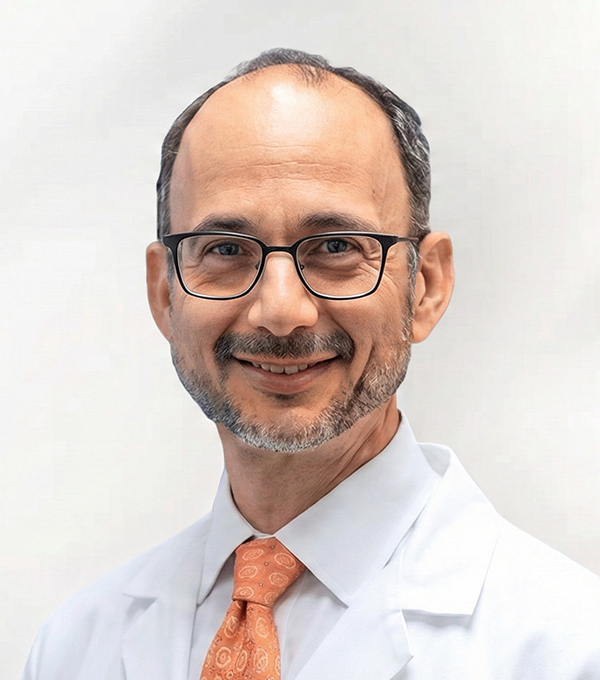
Daniel Becker, MD, FACS
- Board Certified by the American Board of Otolaryngology (ENT).
- Board Certified by the American Board of Facial Plastic and Reconstructive Surgery (ABFPRS).
- Fellow of the American College of Surgeons (FACS).
- Top-Rated by US News and World Report, Philadelphia Magazine, South Jersey Magazine, Castle-Connelly, and others.
- Read more about rhinoplasty specialist Dr. Becker’s credentials
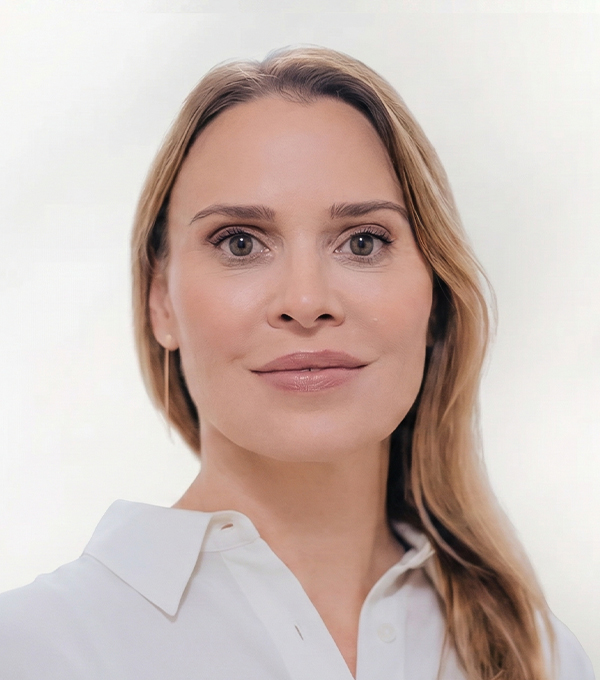
Nicole Schrader, MD, FACS
- She is a double board certified surgeon in Facial Plastic and Reconstructive Surgery and Otolaryngology & Head/Neck Surgery.
- Is a member of the American Academy of Facial Plastic and Reconstructive Surgery.
- Has over 20 years of experience, 15+ years in private practice and has performed hundreds of facelift surgeries.
- Dr. Schrader Recognized as Best Plastic Surgeon by Town Topics Readers’ Choice Awards.
Pick One of Our 5 Convenient Locations
If you live in the states of Pennsylvania or New Jersey, Becker Aesthetics & Plastic Surgery offers facelift among its services.
Facelift FAQs
Can a facelift be combined with other procedures?
Facelifts are often combined with eyelid surgery, browlifts, or skin resurfacing for enhanced results.
How should I prepare for facelift surgery?
Preparation involves avoiding certain medications and supplements, quitting smoking, arranging transportation post-surgery, and following specific pre-surgery instructions from your surgeon.
When can I wear makeup again after my procedure?
Give your skin two weeks. Avoid applying makeup or any other products to your incision until the sutures are removed and the skin is fully healed.
Who will change my bandages after my facelift?
You will have a follow-up appointment just a few days after your facial surgery and your dressings will be changed. They may be left off or replaced depending on drainage.
When will the stitches come out?
Your healing speed will determine the date of your suture removal; every recovery is different. At the latest, expect to have sutures removed in three weeks.
Should I use moisturizer?
Apply only the products needed to keep the incision clean as you heal from facelift surgery. Avoid touching your face while the skin is healing to reduce the risk of infection.
I need a workout. How long until I can hit the gym?
Light activities at home are possible at the end of the first week. However, avoid heavy exercise for 30 days or more after your surgical procedure. Sweating and an increased heart rate will not be good for your incisions.
What facelift office is near me?
If you live in the states of Pennsylvania or New Jersey, Becker Aesthetics & Plastic Surgery offers facelift among its services. For a full list of services, please visit our locations page.
About the author
Daniel G. Becker, MD, FACS is a board-certified facial plastic surgeon and rhinoplasty specialist with extensive experience in cosmetic and functional nasal surgery. He is board certified by the American Board of Otolaryngology and the American Board of Facial Plastic and Reconstructive Surgery and has authored peer-reviewed publications on rhinoplasty and facial plastic surgery.
View full bio | Instagram
- Last Updated: 10/29/2026
- Published: 11/17/2021
Book your Facelift consultation in New Jersey & Philadelphia
Princeton · Philadelphia · Voorhees · Sewell · Yardley
