Many people considering rhinoplasty focus on appearance alone, but nasal surgery can address much more than just aesthetics. Breathing difficulties, chronic nasal congestion, and structural airway problems are common reasons patients seek evaluation. Understanding functional vs cosmetic rhinoplasty helps clarify how different approaches to rhinoplasty surgery can improve both nasal function and appearance.
At Becker Aesthetics & Plastic Surgery in Philadelphia, PA, rhinoplasty procedures are carefully planned to restore healthy nasal airflow, enhance facial balance, and deliver long-lasting results tailored to each patient’s anatomy and goals.

Breathing, Balance, and Better Results: What to Know Before Rhinoplasty
- Functional rhinoplasty focuses on restoring proper nasal airflow.
- Cosmetic rhinoplasty reshapes the nose for improved appearance and harmony.
- Many patients benefit from combining function and aesthetics in one procedure.
- Proper diagnosis determines the right surgical approach.
- Expert surgical technique supports long-term comfort and natural results.
What Is Functional Rhinoplasty Surgery?
Functional rhinoplasty or septorhinoplasty is a type of nose surgery designed to improve breathing by correcting structural problems within the nasal passages. Rather than focusing primarily on cosmetic improvement, this approach restores airflow through the nasal airway by addressing internal support and obstruction.
Common functional issues treated with this procedure include nasal valve collapse, deviated septum, weakened cartilage support, and narrowed nasal passages. These structural problems often contribute to chronic nasal obstruction, breathing problems during sleep or exercise, and persistent congestion.
Functional rhinoplasty may involve reinforcing nasal valves with cartilage grafts, repositioning nasal cartilage or bone, and correcting alignment that restricts airflow. The goal is improved nasal function, comfort, and long-term stability.
What Is Cosmetic Rhinoplasty and What Does It Address?
Cosmetic rhinoplasty focuses on reshaping the nose to improve facial balance and proportion. This type of rhinoplasty surgery may refine the nasal bridge, adjust nostril size, smooth bumps, or reshape the nasal tip to create a more harmonious appearance.
Patients often pursue cosmetic rhinoplasty to correct concerns such as:
- A prominent nasal hump
- A wide or asymmetrical bridge
- A drooping or bulbous tip
- Uneven nostrils
- Overall nasal size relative to facial features
While cosmetic rhinoplasty primarily improves appearance, it may also enhance airflow if structural issues are also corrected during surgery.
Functional vs Cosmetic Rhinoplasty: Key Differences in Surgery and Goals
Understanding how functional vs cosmetic rhinoplasty differs helps patients choose the right approach for their needs.
Evaluation and Diagnosis
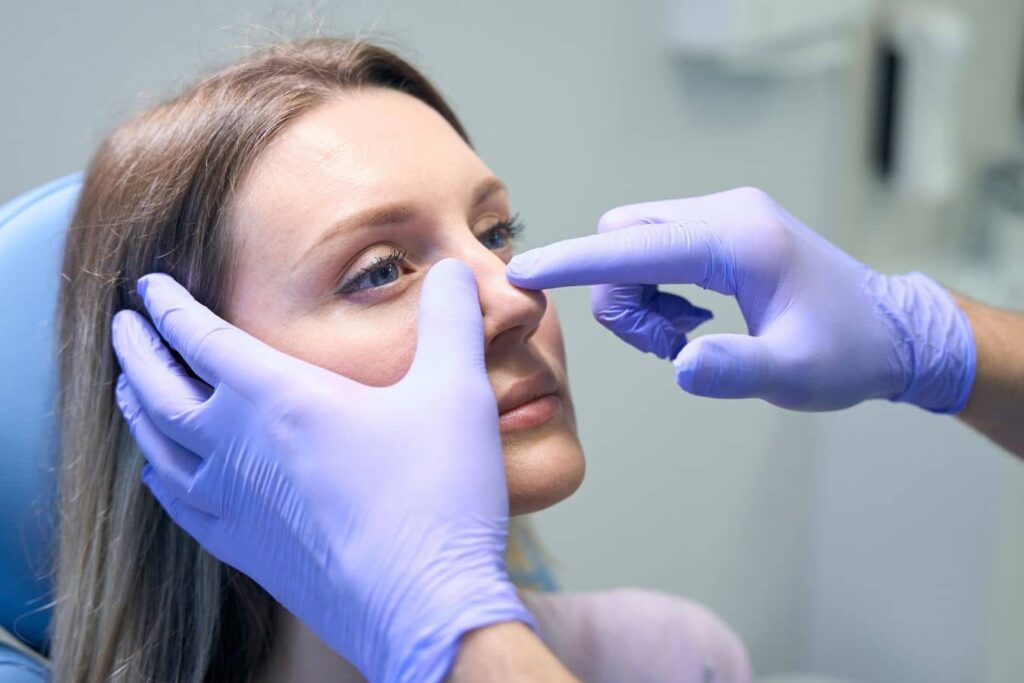
Functional rhinoplasty begins with a detailed assessment of nasal airflow, internal anatomy, and breathing patterns. Surgeons evaluate nasal valves, septal alignment, and structural support.
Cosmetic rhinoplasty focuses more on external shape, facial proportions, and aesthetic goals, although internal structures are still examined to preserve proper function.
Surgical Techniques and Procedure Focus
Functional rhinoplasty techniques prioritize strengthening and repositioning internal nasal structures to improve breathing. This may include cartilage grafting and airway reconstruction.
Cosmetic rhinoplasty techniques reshape bone and cartilage for visual refinement, smoothing contours and enhancing symmetry.
Ideal Candidates and Expected Results
Patients with chronic nasal obstruction or previous nasal injury may benefit from functional rhinoplasty.
Patients seeking aesthetic improvement without breathing concerns may pursue cosmetic rhinoplasty alone.
Many individuals require both functional and cosmetic correction to achieve optimal results.
Trust Advanced Surgical Expertise
Our Philadelphia facial plastic surgeons use precise techniques designed to preserve both breathing and appearance.
Types of Rhinoplasty Procedures Used in Modern Nose Surgery
Rhinoplasty is not a single technique. Different types of rhinoplasty techniques address specific goals.
- Functional rhinoplasty for airflow restoration
- Cosmetic rhinoplasty for appearance refinement
- Revision rhinoplasty to correct previous surgery outcomes
- Reconstructive rhinoplasty after trauma or other medical conditions
Each surgical plan is customized based on anatomy, symptoms, and desired outcomes.
The Benefits of Addressing Function and Aesthetics Together
Combining functional and cosmetic rhinoplasty offers several advantages. Improving nasal airflow can enhance comfort and sleep quality, while aesthetic refinement creates balanced facial proportions.
Functional benefits include:
- Improved nasal airflow
- Reduced congestion and obstruction
- Better sleep comfort
- Long-term airway stability
Cosmetic benefits include:
- Enhanced facial harmony
- Improved nasal symmetry
- Natural-looking contour refinement
When planned together, combined procedures can reduce the overall recovery time and invasiveness of surgery.
Combined Procedures: When Functional and Cosmetic Rhinoplasty Work Best Together
Many patients do not realize that internal nasal issues often affect external shape. Structural collapse can contribute to crooked appearance, drooping tips, or asymmetry.
Combined procedures allow surgeons to correct airflow issues while simultaneously reshaping the nose for cosmetic improvement. This integrated approach supports both nasal function and long-term aesthetic goals.
Rhinoplasty Patient Results
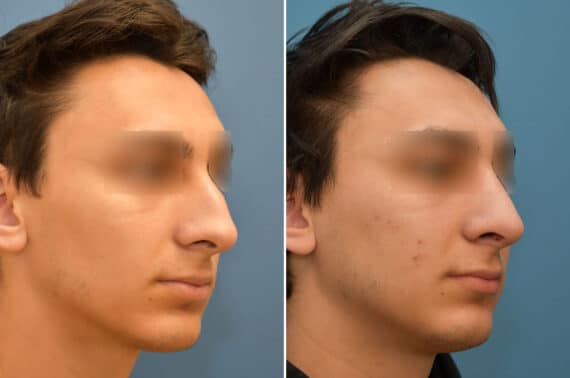
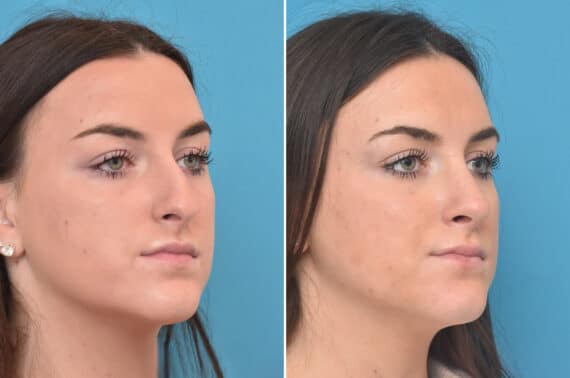
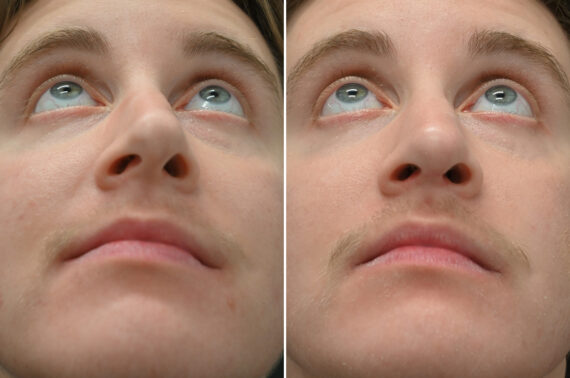
* All patients are unique and individual results may vary.
Why Surgical Expertise Matters in Rhinoplasty Outcomes
Rhinoplasty requires precise understanding of nasal anatomy, airflow dynamics, and facial proportions. Small structural changes can significantly affect both breathing and appearance.
At Becker Aesthetics & Plastic Surgery, surgeons combine functional reconstruction with cosmetic refinement to ensure results are stable, natural-looking, and supportive of healthy nasal function. Careful technique minimizes complications and supports lasting outcomes.
Recovery After Functional and Cosmetic Rhinoplasty Surgery
Recovery varies depending on the complexity of the procedure. Swelling, congestion, and mild discomfort are common during early healing.
Most patients notice gradual breathing improvement as inflammation subsides. Cosmetic changes continue to refine over several months as tissues heal.
Post-operative guidance helps support comfort, healing, and long-term success.
When to Schedule Your Rhinoplasty Consultation in Philadelphia, PA
If you experience breathing problems, chronic nasal congestion, or concerns about nasal appearance, a consultation helps determine the most effective treatment approach.
Evaluation includes internal airway assessment, facial analysis, and personalized surgical planning to align functional needs with cosmetic goals.

Choosing the Right Type of Rhinoplasty for Lasting Results
Understanding functional vs cosmetic rhinoplasty empowers patients to make informed decisions about nose surgery. Whether improving breathing, refining appearance, or combining both goals, the right approach restores comfort, confidence, and long-term nasal health.
With expert evaluation and customized surgical techniques, rhinoplasty can deliver both functional improvement and natural cosmetic enhancement.
Frequently Asked Questions About Breathing Problems After Rhinoplasty