Quick Answer: Taking care of neck lift scars starts with following your surgeon’s instructions, keeping the area clean, and protecting your skin from the sun. I often recommend silicone-based scar treatments and gentle massage once the incisions have healed enough. Staying hydrated, eating well, and avoiding smoking can also support recovery. With proper care and patience, your scars should gradually fade and become less noticeable.
Neck lift surgery can leave behind scars as the skin heals and adjusts to the changes made during the procedure. While these scars are a normal part of the recovery process, they can be bothersome for some individuals. Keep reading and learn effective methods for taking care of neck lift scars to help minimize their appearance and promote optimal healing. By following these tips, you can ensure that your skin looks smooth and rejuvenated after your neck lift surgery.

Key Takeaways: How to Take Care of Neck Lift Scars
- Follow your surgeon’s aftercare instructions: I always remind my patients that proper wound care, prescribed medications, and follow-up appointments are essential for helping scars heal properly.
- Keep your scars protected from the sun: Sun exposure can darken healing scars, so I recommend using high-SPF sunscreen once the skin has healed sufficiently, wearing protective clothing, and avoiding prolonged sun exposure.
- Silicone treatments can help improve scar appearance: Silicone gels and sheets help keep scar tissue hydrated. Gentle massage may also soften scars over time, but only once your surgeon confirms it’s safe.
- Healthy habits make a difference: Eating a balanced diet, drinking enough water, and avoiding smoking and alcohol can support your body’s natural healing process.
- Some scars may need additional treatment: If scars remain raised, discolored, or noticeable, treatments such as steroid injections, laser therapy, microneedling, or scar revision surgery may help improve their appearance.
What Factors Affect the Appearance of Neck Lift Scars?
The visibility of neck lift scars may differ due to various factors, including the surgical technique used and the neck lift incisions. Although scars are an inevitable part of the process, efficient scar management post-surgery helps reduce their prominence. This allows you to experience the benefits of a neck lift with less noticeable traces of the procedure.
To manage the appearance of scars effectively:
- Follow your surgeon’s advice for proper healing.
- Protect scars from the sun to prevent darkening.
- Use recommended treatments such as silicone products which aid in healing.
Adhering to these care instructions, even for minor scars, will considerably improve the appearance of scars on your neck after the surgery. With efficient scar management, you can expect less visible scars as a result.
Step 1: Follow Post-Operative Instructions Diligently
Proper Wound Care
To minimize neck lift scars, it’s crucial to clean the area as your doctor instructs. Applying prescribed ointments can keep the skin moist, which helps in scar reduction.
Medication Guidelines
Ensure you take all medications, including antibiotics and pain relief, according to the schedule given to you. This helps avoid infections and manage pain, which is vital for a smooth healing period.
Follow-up Appointments
Attending all follow-up appointments is key. These allow your surgeon to monitor your scar and the healing process, and make timely adjustments to your care if necessary.
- Clean the wound as instructed to prevent infection and promote healing.
- Use prescribed ointments to help reduce scars.
- Take all medications as prescribed to manage pain and avoid infection.
- Attend follow-up appointments to monitor scar progress.
Step 2: Protect Scars from Sun Exposure
Sunscreen Use
To support skin quality, apply sunscreen to avoid scars from darkening and to maintain overall skin health. Opt for a product with high SPF and reapply it every two hours, or after swimming or sweating. The American Academy of Dermatology recommends sun protection after the wound has healed to help reduce scar discoloration.
Clothing Coverage
Wear clothing like hats and UV-protective garments to shield your skin, particularly your scars from sun damage.
Time in the Sun
Limit outdoor activities to either before 10 a.m. or after 4 p.m., avoiding peak sun hours to reduce the risk to your skin and the appearance of scars.
- Use sunscreen to improve skin quality.
- Select clothing that offers sun protection.
- Schedule activities to avoid peak sun hours for better skin health.
Step 3: Apply Recommended Topical Treatments
Silicone-based products and other treatments can help manage scarring. Use a silicone-based topical scar treatment ointment as it creates a moisture barrier that hydrates scar tissue, creating a better healing environment. These treatments typically have clear instructions for application.
Gentle massage techniques also benefit scar tissue. Regular scar massage enhances circulation and can result in softer and less noticeable scars. Scar massage should only begin once the surgical incisions have fully healed and your surgeon has approved it. Massaging the area too early may irritate healing tissues.
Silicone-Based Products:
- Protects and hydrates scar tissue.
- Follow product instructions for application.
Gentle Massage Techniques:
- Improves circulation.
- Reduces prominence of scarring with regular practice.
Step 4: Maintain a Healthy Diet and Stay Hydrated
Nutritional Choices for Skin Renewal
Emphasize a healthy diet to encourage scar healing after a neck lift. Foods high in vitamin C, like citrus and greens, contribute to healthy collagen production and assist skin repair.
Hydration’s Role in Healing
Skin hydration is crucial for the efficient recovery of neck lift scars. Regular water consumption is essential to keep skin moist and flexible, emphasizing the importance of water intake.
Reducing scar visibility may benefit from the following supplements:
- Collagen: Supports skin renewal (recommended twice daily)
- Vitamin E: Assists in maintaining skin health
Prioritizing nutritional choices that promote repair and ensuring skin hydration is key for optimal scar healing.
Step 5: Consider Professional Scar Treatments
To minimize neck lift scarring, explore these medical techniques:
| Treatment | How It Works | Potential Benefits | Best Suited For |
|---|---|---|---|
| Silicone Gel or Sheets | Creates a protective, moisture-retaining barrier | May soften and flatten scars | Healing scars after wound closure |
| Steroid Injections | Reduces inflammation and excessive scar tissue | May flatten raised or thickened scars | Hypertrophic or raised scars |
| Laser Scar Treatment | Targets pigmentation or scar tissue using laser energy | May improve discoloration and appearance | Discolored or visibly uneven scars |
| Microneedling | Creates controlled micro-injuries to stimulate collagen remodeling | May improve scar texture | Certain healed scars with uneven texture |
| Scar Revision Surgery | Surgically modifies existing scar tissue | May improve the appearance of persistent scars | Scars that do not respond adequately to other treatments |
Patient Results
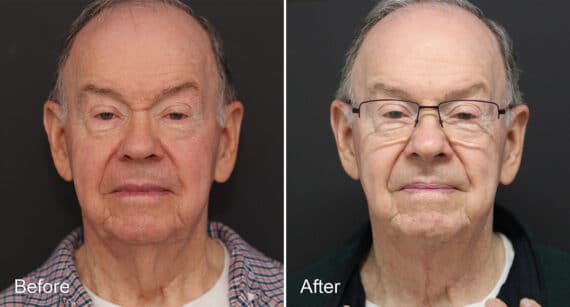
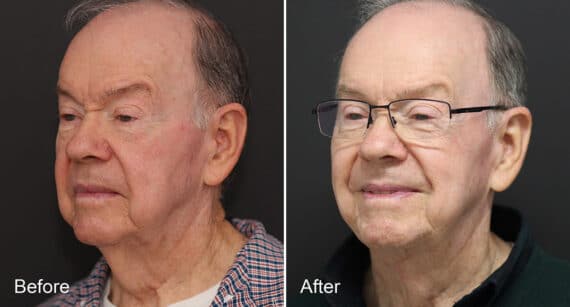
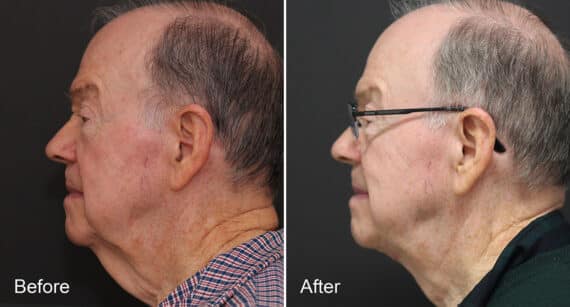
* All patients are unique and individual results may vary.
Additional Advice for Scar Care
Minimize visible scarring post-neck lift by avoiding smoking and alcohol, as they impede healing and may cause excessive scarring. Choose non-irritating fabrics and gentle clothing for the affected area to promote undisturbed repair of the skin. Lastly, familiarize yourself with the scar maturation process to better manage expectations and support the reduction of visible scars.
- Avoid Smoking and Alcohol: Smoking and alcohol can impair healing and increase visible scarring.
- Select Non-Irritating Clothes: Soft, breathable clothing maintains skin integrity and reduces visible scarring.
- Learn About Scar Maturation: Understanding healing stages encourages patience and minimizes visible scarring.
What Should You Avoid to Protect Healing Neck Lift Scars?
Avoid skincare products containing alcohol, retinoids, or fragrances, as they can irritate the scar. Use gentle products instead. Do not pick at scars, as it may cause infection and worsen the appearance. Avoid strenuous exercise and follow your surgeon’s advice on resuming certain daily activities.
- Steer clear of products with alcohol, retinoids, and fragrances.
- Do not engage in picking at scars.
- Avoid high-intensity activities until advised.
When Should You Contact Your Surgeon About Neck Lift Scars?
Understanding what to expect during recovery time from a neck lift and knowing the signs of possible complications is critical. Normal healing can include discomfort, skin redness, and expectations for scarring that should diminish over time.
If you experience any of the symptoms below, complications may be present, and it’s vital to consult your surgeon:
- Persistent or increased pain
- Unusual discoloration
- Persistent or worsening swelling
- Signs of infection, like increased warmth, pus, or redness
- The wound edges separating
Prompt action in these situations can contribute to a better healing process.
Neck Lift Scar Care Essentials
To ensure optimal healing after a neck lift procedure, follow this summary of scar care:
- Observe healing and note any changes
- Clean and moisturize the area
- Adhere to the healthcare provider’s instructions
- Shield scars from sunlight
- Drink water and eat a balanced diet
Consistent attention to these points will aid in reducing scar visibility.
In conclusion, taking care of neck lift scars is essential for optimal healing and minimizing visible scarring. By following the recommended precautions, avoiding harmful habits like smoking and alcohol, choosing gentle clothing, and understanding the scar maturation process, you can support the reduction of scars post-procedure.
If you’re considering a neck lift surgery to achieve a more youthful appearance, Becker Aesthetics & Plastic Surgery offers skilled surgeons in Philadelphia, PA, and Princeton, NJ, who can provide exceptional results. Schedule a consultation today for more information on neck lift surgery and other facial treatments to help you achieve your desired look with confidence and safety.