Laser Resurfacing
in New Jersey & Philadelphia
Smoother, brighter, renewed skin.

Medically reviewed by: Our Board-Certified Facial Plastic Surgeon & Rhinoplasty Specialists
Experience the transformative power of Laser Resurfacing at Becker Aesthetics & Plastic Surgery. Serving Philadelphia, Princeton, Voorhees, and Yardley, we’re dedicated to renewing your skin’s radiance and smoothness. Opt for Laser Resurfacing and bask in the glow of rejuvenated, flawless skin. Your fresh start awaits, book now!
Key Takeaways
Laser resurfacing uses concentrated light energy to treat wrinkles, acne scars, sun damage, age spots, and uneven texture.
Ablative lasers remove the damaged outer layer of skin, while non-ablative lasers heat deeper layers and leave the surface intact.
Non-ablative treatments usually allow a return to normal activities right away, while ablative treatments require a longer recovery.
Good candidates have minor facial flaws, realistic expectations, and good general health; very dark skin tones may face a higher risk of discoloration.
Sun protection, gentle skincare, and your doctor’s aftercare instructions are essential to protect and maintain your results.
| Procedure time | 30 minutes to 2 hours |
| Anesthesia | Numbing agent; sedation in some cases |
| Initial recovery | About 24 hours (non-ablative) |
| Back to work | Immediately (non-ablative) |
| Final results | Several weeks to months |
| Results last | Several years; varies by treatment |
| Insurance | Usually not covered (cosmetic treatment) |
| Age | Adults; assessed individually |
Reveal Fresh Skin with Laser Resurfacing Benefits
Dealing with wrinkles, fine lines, or acne scars that affect your self-esteem? Laser Resurfacing can be your game-changer. This cutting-edge procedure uses concentrated light beams to remove damaged skin layers, revealing a new, rejuvenated complexion. It’s the perfect way to restore your skin’s youthful vitality without undergoing invasive surgery. Ready to discover a refreshed, more radiant you?
Dealing with wrinkles, fine lines, or acne scars that affect your self-esteem? Laser Resurfacing can be your game-changer. This cutting-edge procedure uses concentrated light beams to remove damaged skin layers, revealing a new, rejuvenated complexion. It’s the perfect way to restore your skin’s youthful vitality without undergoing invasive surgery. Ready to discover a refreshed, more radiant you?
Youthful Complexion
Roll back the years and rediscover your youthful glow. Laser Resurfacing effectively reduces wrinkles and fine lines, making you look as young as you feel.
Smooth Texture
Say goodbye to acne scars, pigmentation, or uneven skin. This procedure gives you a smooth, flawless texture you’ll be eager to show off.
Minimal Downtime
Enjoy the benefits of revitalized skin without putting your life on hold. Laser Resurfacing is quick and requires minimal recovery, so you can get back to living your best life.
Laser resurfacing is a minimally invasive skin procedure used to treat minor facial flaws and improve the skin’s overall appearance. At Becker Aesthetics & Plastic Surgery, our board-certified plastic surgeons offer exceptional skin rejuvenation results to patients in New Jersey and Philadelphia using laser resurfacing treatments.
Laser treatments can treat a wide range of skin issues, including discoloration, signs of aging, and uneven texture. Some of the most common reasons people seek laser resurfacing include skin concerns such as acne scars, sun damage, age spots, and fine wrinkles, though the treatment can address many other issues as well.
The Laser Skin Resurfacing Treatment
Laser resurfacing is typically an outpatient procedure, meaning you can get the procedure at any of our four locations in Philadelphia, Princeton, Voorhees, or Yardley, and go home the same day. The duration and technique of your treatment will vary depending on the kind of laser your surgeon uses.
During an ablative laser treatment, your doctor will use a strong, concentrated beam of light energy to destroy the damaged outer layer of your skin and stimulate collagen production. This collagen production will gradually improve the appearance of your skin, making it appear brighter and more youthful.
A non-ablative laser treatment will leave the outer layer of the skin intact while targeting deeper layers of the dermis to stimulate collagen production. Though the treatment is less invasive and generally involves less recovery time, patients will typically need multiple rounds of non-ablative laser treatments to achieve similar results to ablative laser treatment.

Who is a Candidate for Laser Skin Resurfacing?
Laser resurfacing is an excellent option for individuals looking to address various skin issues without resorting to invasive surgical procedures. Ideal candidates include those with minor facial flaws such as age spots, brown spots, and fine lines. The procedure is also suitable for people experiencing the loss of collagen and the appearance of wrinkles. Individuals with sun-damaged skin and uneven pigmentation can benefit significantly from this treatment, as it promotes the production of collagen, leading to healthier, more youthful-looking skin.
Discussing any health issues with your surgeon during the consultation will help determine if this procedure is right for you.
- Skin Types and Tones: Certain skin types, especially very dark skin tones, may face an increased risk of discoloration.
- Health Conditions: Individuals with existing skin conditions or underlying health issues should consult with a qualified plastic surgeon.
- Realistic Expectations: Potential candidates need to have realistic expectations about the outcomes.
- General Health: Being in good general health is essential for a smooth recovery and optimal results.
Where Can Laser Resurfacing Be Applied?
Reducing the Appearance of Wrinkles
Laser resurfacing effectively minimizes fine lines and wrinkles, particularly around the eyes and mouth, by promoting the production of collagen, which leads to skin tightening and rejuvenation.
Treating Acne Scars
For those struggling with the lasting marks of acne, laser resurfacing can smooth out the layers of skin, reducing the visibility of scars and improving overall skin texture.
Addressing Age Spots and Sun-Damaged Skin
This treatment is excellent for tackling age spots, brown spots, and other signs of sun-damaged skin, providing a more even and youthful complexion.
Improving Skin Texture and Tone
Laser resurfacing can correct uneven pigmentation and improve the overall tone and texture of your skin, making it a versatile option for various skin conditions.
Enhancing Skin Tightening
By stimulating collagen production, laser resurfacing helps in tightening the facial skin, giving it a firmer and more youthful appearance.
Minimizing Surgical Scars
For those with surgical scars or other types of facial scars, laser resurfacing offers a non-invasive way to reduce their appearance and blend them more seamlessly with the surrounding skin.
Addressing Stretch Marks
Laser resurfacing can also be used to diminish the appearance of stretch marks by encouraging the growth of new, healthy and radiant skin layers.
What Is the Difference Between Laser Resurfacing and Microdermabrasion?
Every laser resurfacing treatment is performed by an expertly trained provider. You’ll meet your provider at your consultation, and they’ll be with you every step of the way.
Why Patients Choose Becker Aesthetics & Plastic Surgery for Laser Resurfacing
Successful laser resurfacing begins with understanding your skin. At Becker Aesthetics & Plastic Surgery, our aesthetic team takes a personalized approach to skin rejuvenation, considering your concerns, skin type, treatment goals, and recovery expectations before recommending the most appropriate options.
- Personalized skin assessments focused on individual concerns and goals.
- Treatment options tailored to address fine lines, sun damage, acne scars, and uneven skin texture.
- Careful consideration of ablative and non-ablative laser treatments.
- An emphasis on skin safety, patient comfort, and realistic expectations.
- Individualized recovery guidance and post-treatment skin care.
- A comprehensive approach that considers other non-surgical treatments when appropriate.
Our goal is to help patients achieve smoother, healthier-looking skin through thoughtful treatment planning and personalized care.
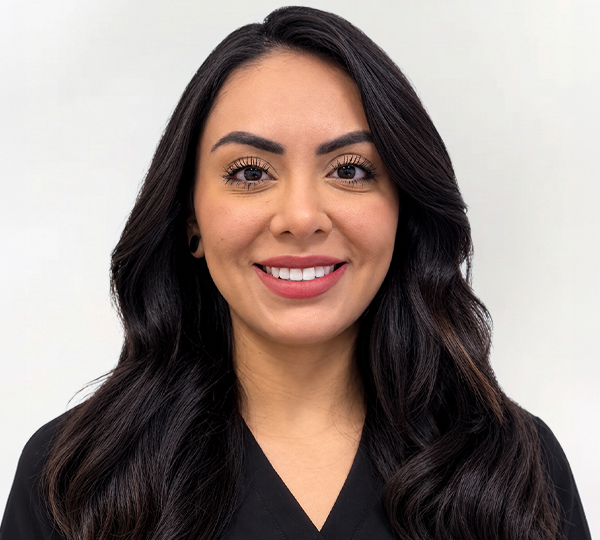
Clai Araya, RN
Clai has spent years perfecting the art of aesthetics, blending her nursing expertise with a true passion for facial rejuvenation. She’s dedicated to providing safe, natural-looking results supported by advanced training and the latest techniques.
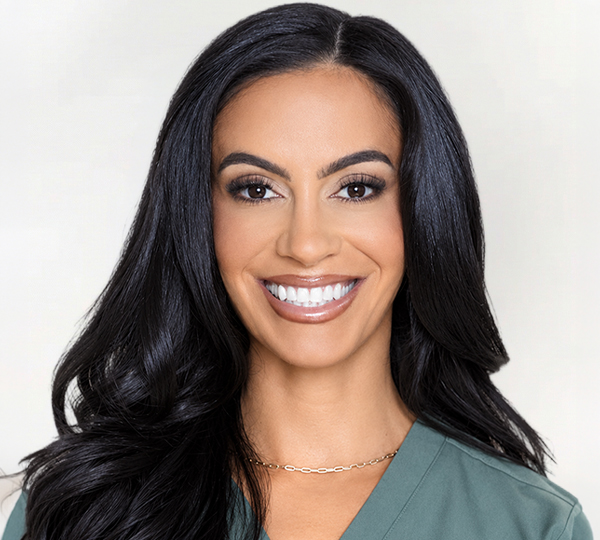
Marielle Roselli, RN
Marielle takes an integrative approach to anti-aging, blending advanced techniques with individualized care. Her mission is to create safe, natural results that enhance her patients’ natural beauty.
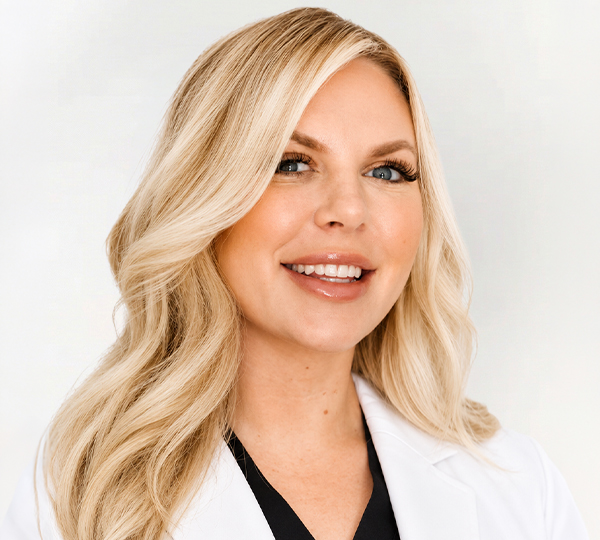
Samantha Berry, RN
Samantha is an experienced aesthetic injector known for her artistic eye and naturally refined results. With dual degrees in Health Studies and Nursing, advanced training with Allergan and Galderma, and years of hands-on injection experience, she creates personalized treatment plans that leave patients looking refreshed and confident.
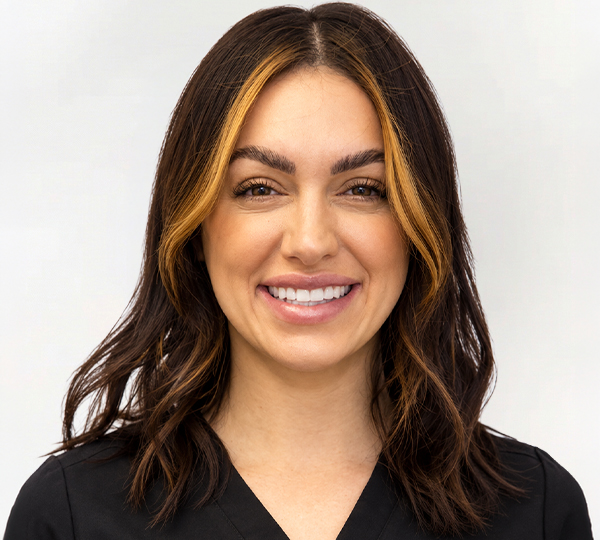
Brooke Carrero, RN
Brooke is a skilled aesthetic nurse injector passionate about helping patients feel confident and radiant. With a background in critical care nursing and ongoing training in the latest aesthetic techniques, she delivers safe, natural results.
Bianca Pompei · ★★★★★
Laser Resurfacing Recovery
Your recovery process will depend heavily on whether you undergo ablative or non-ablative laser treatments.
Non-Ablative Laser Treatments
- After non-ablative laser treatments, patients may experience some redness, swelling, and sensitivity similar to a sunburn for 24 hours following the treatment.
- Most patients will be able to resume normal activities immediately following the procedure.
Ablative Laser Treatments
- Ablative laser resurfacing includes controlled injury to the skin, resulting in a longer recovery period and a higher risk of complications.
- Post-procedure, the skin may feel raw, swollen, and itchy.
- Your surgeon will bandage the treated area, and you can use a pain reliever and cool compress to relieve discomfort.
While your face remains bandaged, avoid the following:
- Applying sunscreen, unapproved moisturizers, or makeup to the area.
- Activities that could increase the risk of infection, such as swimming.
During the recovery period, your body is actively working to heal and improve the appearance of your face. Though some patients prefer to avoid social situations due to visual redness, scabbing, or bandages, most can maintain many of their daily routines throughout the recovery process.
By following these guidelines and your surgeon’s advice, you can ensure a smoother recovery and better results from your laser resurfacing treatment.
Aftercare Tips for Optimal Results
Keep Your Skin Hydrated
Hydration is key to maintaining healthy skin post-treatment. Use a gentle, dermatologist-recommended moisturizer to keep your skin supple and aid in the healing process. Avoid products with harsh chemicals that might irritate the treated area.
Avoid Direct Sun Exposure
Protecting your skin from the sun is crucial after a laser skin treatment. UV rays can exacerbate skin damage and prolong healing time. Wear a broad-spectrum sunscreen with at least SPF 30, even on cloudy days, and consider wearing a wide-brimmed hat when outdoors.
According to the American Society of Plastic Surgeons, skin may remain particularly sensitive to sunlight for up to a year after laser resurfacing, making consistent sun protection essential during recovery.
Follow Your Doctor’s Instructions
Adhering to the aftercare regimen prescribed by your doctor will ensure long-lasting results. This may include applying prescribed ointments to aid in healing, avoiding strenuous activities that might cause sweating, and attending follow-up appointments to monitor your progress.
Use Cool Compresses
To alleviate discomfort and reduce swelling, use cool compresses on the treated area. This can soothe the skin and accelerate the healing process, making it easier to resume daily activities without significant discomfort.
Stay Away from Harsh Skincare Products
Post-treatment, your skin will be sensitive. Avoid using exfoliants, retinoids, and any other harsh skincare products until your doctor gives the go-ahead. These products can damage your delicate, healing skin cells and hinder recovery.
Monitor Your Skin Quality
Keep an eye on your skin quality during recovery. Report any unusual signs like severe redness, swelling, or signs of infection to your doctor immediately. Early detection of complications can lead to a more effective treatment and better outcomes.
Maintain a Healthy Lifestyle
A balanced diet and adequate hydration play a crucial role in skin recovery. Foods rich in vitamins and antioxidants can improve skin quality and speed up the healing process, ensuring that the results of your laser skin treatment are as beneficial as possible.
Risk Factors In Laser Resurfacing
Before the procedure, your doctor will examine your skin, talk to you about your medical history, and learn more about any medical conditions you have. While your physician will be sure to screen for any potential risk factors when you come in for your consultation at one of our four locations in Philadelphia, Princeton, Voorhees, or Yardley, some of the following conditions are important to bring up when you are deciding if laser restructuring is the best procedure for you:
Deep wrinkles and sagging skin
Laser resurfacing is intended to treat minor facial flaws. If you have more severe sagging or deep wrinkles, a different procedure might be better suited for you.
Very dark skin
Some patients with dark brown or black skin are at risk of skin discoloration from the procedure and might benefit more from alternative resurfacing procedures such as microneedling or radio-frequency treatments. If you think this might apply to you, you should bring up your concerns during your initial consultation.
Medications
Some medications will increase your risk of infection or decrease the efficacy of the treatment. For example, the acne medication isotretinoin (used to treat cystic acne), can cause poor scar healing and result in unfavorable outcomes for laser resurfacing. Some patients may be able to temporarily stop taking a medication that would interfere with their laser resurfacing treatment plans.
Cold Sores
If you ever experience cold sores around the mouth, you should discuss this with your surgeon. They can prescribe medication to prevent an outbreak from interfering with the procedure.
Weak Immune System
An autoimmune disease or a weak immune system can increase your risk of infection following the procedure.
Pregnancy or Breastfeeding
Given the additional risks associated with infection during pregnancy and breastfeeding, most women and their doctors elect to wait on elective procedures until after the birth and the completion of breastfeeding.
Body Dysmorphic Disorder
Having realistic expectations is important when going into any medical procedure. People with body dysmorphic disorder frequently seek out cosmetic procedures but are rarely satisfied with the results. If you are often preoccupied with low body image or avoid social situations to hide your perceived physical flaws, bring this up with your surgeon before the procedure.
Preparing for Laser Treatments

Pick One of Our 5 Convenient Locations
If you live in the states of Pennsylvania or New Jersey, Becker Aesthetics & Plastic Surgery offers laser resurfacing among its services.
Laser Resurfacing FAQs
Does Becker Aesthetics & Plastic Surgery perform laser resurfacing procedures in-office?
Yes! Laser resurfacing is an outpatient procedure that can be performed at any of our four locations: Philadelphia, Princeton, Voorhees, and Yardley.
What procedures can I combine laser resurfacing with?
Laser resurfacing can be part of a larger treatment plan to achieve your cosmetic goals. Many patients combine laser resurfacing with Botox to treat deeper wrinkles.
How do I maintain the results of my laser resurfacing treatment?
Many physicians recommend using retinoids to maintain the results of the procedure. You should incorporate sunscreen into your skincare routine to prevent more wrinkles or discoloration from occurring. Consult with a dermatologist about persistent acne if acne scars were the cause of your need for laser resurfacing.
Will I be awake for the procedure?
Patients rarely have to “go under” for laser resurfacing, but your doctor will likely still use some kind of anesthetic or numbing agent for the procedure. The severity of the discomfort patients can expect to feel varies widely depending on the kind of laser and the depth of the treatment.
How do I know whether to get ablative or non-ablative laser treatments?
Each method has its own benefits and drawbacks. During your consultation, your surgeon can help better inform you about the pros and cons of each method and help determine which would be a better fit for your needs.
What laser resurfacing office is near me?
If you live in the states of Pennsylvania or New Jersey, Becker Aesthetics & Plastic Surgery offers laser resurfacing among its services. For a full list of services, please visit our locations page.
About the author
Daniel G. Becker, MD, FACS is a board-certified facial plastic surgeon and rhinoplasty specialist with extensive experience in cosmetic and functional nasal surgery. He is board certified by the American Board of Otolaryngology and the American Board of Facial Plastic and Reconstructive Surgery and has authored peer-reviewed publications on rhinoplasty and facial plastic surgery.
View full bio | Instagram
- Last Updated: 11/09/2026
- Published: 11/18/2021

Book your Laser Resurfacing consultation in New Jersey & Philadelphia
Princeton · Philadelphia · Voorhees · Sewell · Yardley
