Facial Fat Grafting in
New Jersey & Philadelphia
Natural volume, restored with your own fat.

Medically reviewed by: Our Board-Certified Facial Plastic Surgeon & Rhinoplasty Specialists
While some patients love the convenience and ease of dermal fillers, not everyone wants a synthetic or temporary solution to aging and volume loss. Facial fat grafting at Becker Aesthetics & Plastic Surgery in Princeton, Voorhees, Philadelphia, and Yardley allows patients to restore a long-lasting youthful glow that looks natural, using minimally invasive transfer techniques.
Key Takeaways
Facial fat grafting, or autologous fat transfer, moves fat from another area of the body to the face to restore volume and soften lines, wrinkles, and hollows.
The procedure has two steps: gentle liposuction to harvest fat from a donor site such as the thighs or abdomen, then injection of the processed fat into the face.
It is usually performed in the office under local anesthesia as an outpatient procedure, with no hospitalization required.
Most patients return to everyday activities the same day or the next day; soreness and bruising can last up to two weeks.
Final results typically emerge after three to four months, and fat that survives the grafting process is considered permanent.
| Procedure time | xx |
| Anesthesia | xx |
| Initial recovery | xx |
| Back to work | xx |
| Final results | xx |
| Results last | xx |
| Insurance | xx |
| Age | xx |
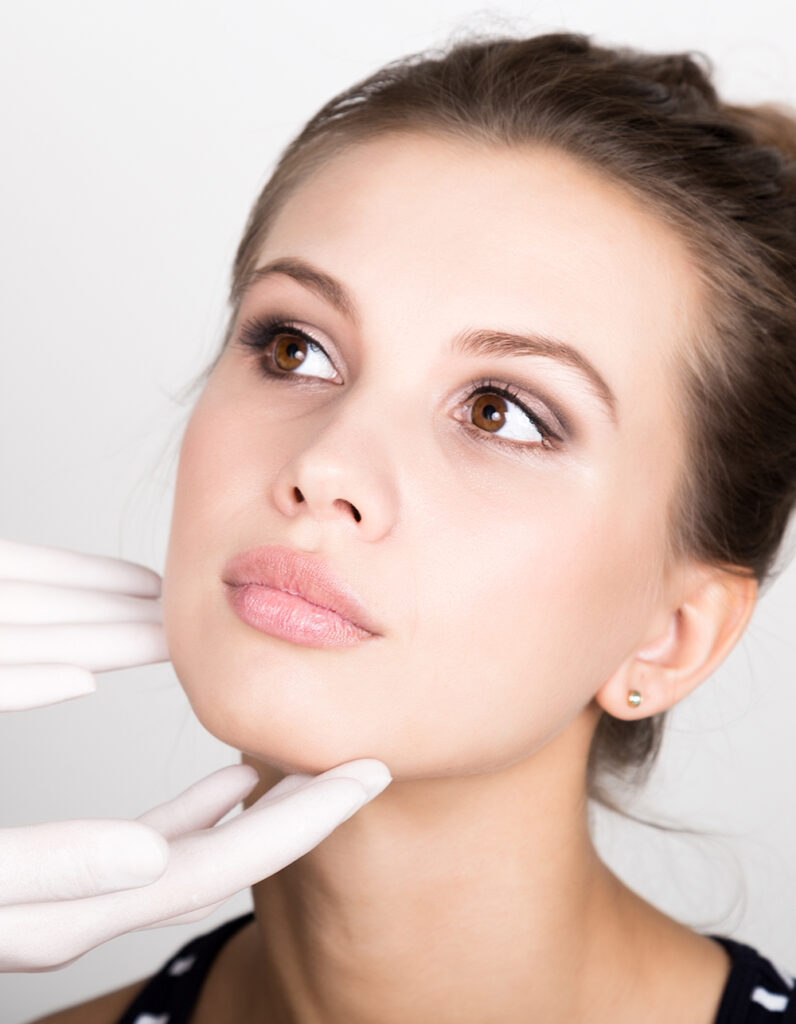
Rediscover Fullness with Facial Fat Grafting Benefits
In our quest for youthful vigor, facial fat grafting emerges as a natural solution. This procedure bridges the essence of your body with the desires of the face, rejuvenating hollow areas with your fat cells. It’s a beautiful symbiosis, where the body gifts the face renewed fullness, radiance, and vitality.
- Natural Volumizing — Using your own fat cells, Facial Fat Grafting ensures authentic, seamless rejuvenation, amplifying beauty from within.
- Long-Lasting Results — Unlike synthetic fillers, fat grafting offers results that are not just instant but endure, keeping you refreshed longer.
- Dual Benefit — While enhancing facial contours, this procedure simultaneously contours the donor area, offering a double win in aesthetic enhancement.
Good Candidates for Facial Fat Grafting
The best candidates for the fat transfer process are healthy adults who want to reduce the appearance of fine lines, creases, wrinkles, marionette, bunny, smile or frown lines, and any other facial depressions. This can include circles or deep tear troughs beneath the eyes, sunken-in areas of the temples and around the eyes, small, poorly-defined cheeks, crow’s feet, and deep creases above the lips. Candidates must have enough fat for the transfer and should have realistic expectations.
The treatment is a wonderful solution for those who don’t need eyelid surgery or a facelift for full facial rejuvenation but want to refresh areas of their faces that may need a bit of improvement without a dramatic overhaul. The process is often performed alongside other cosmetic procedures, and, together, the treatments can achieve the patient’s goals.
There are no restrictions on patients due to allergies since the doctor will be working with material that is sourced from the patient’s own body. Candidacy is assessed during a private consultation with a plastic surgeon.
What is Facial Fat Grafting?
Autologous fat transfer, or facial fat grafting as it is often called, is a type of facial rejuvenation that is accomplished using fat from the patient’s own body. The cells are removed from one area of the body and are then relocated to the face to plump up and erase wrinkles and lines, allowing patients to appear refreshed and younger than before.
While the treatment is commonly used to eliminate frown and smile lines, furrows, facial hollows, and bunny and marionette lines, this cosmetic process can also revive older skin by injecting fat to correct hollow cheeks, thinning lips, and sagging beneath the eyes. Fat deposits can also be used to augment damaged or depressed skin, such as skin that has been scarred, whether by serious trauma or from adolescent-era acne.
Facial Fat Grafting Procedure
Most of the time, fat grafting procedures are performed under local anesthesia. This just numbs the area, rather than putting the patient to sleep. Sedation may be available on request. Fat grafting is such a simple and non-invasive treatment that it is done as part of an outpatient appointment in the office. No hospitalization is required.
The treatment is quite safe and is performed without the use of synthetic fillers. The entire procedure consists of a two-step process. These steps are minor liposuction and facial injection.
The Two-Step Process
The initial stage involves liposuction. This process is straightforward, involving the extraction of excess fat from donor sites such as thighs or abdomen. The retrieved fat undergoes a meticulous cleansing process, preparing it for facial application.
During the second phase, the processed fat is injected into targeted facial areas. The goal is to enhance volume in areas such as lines, wrinkles, scars, or any facial depressions, offering a rejuvenated appearance. This autologous approach not only minimizes allergic reactions but also provides natural-looking results.
Every facial fat grafting procedure at our Philadelphia office is performed by a board-certified surgeon with specialized training in facial plastic surgery. You’ll meet your surgeon at your consultation — and they’ll be with you every step of the way.
Why choose the Doctors at Becker Aesthetics & Plastic Surgery
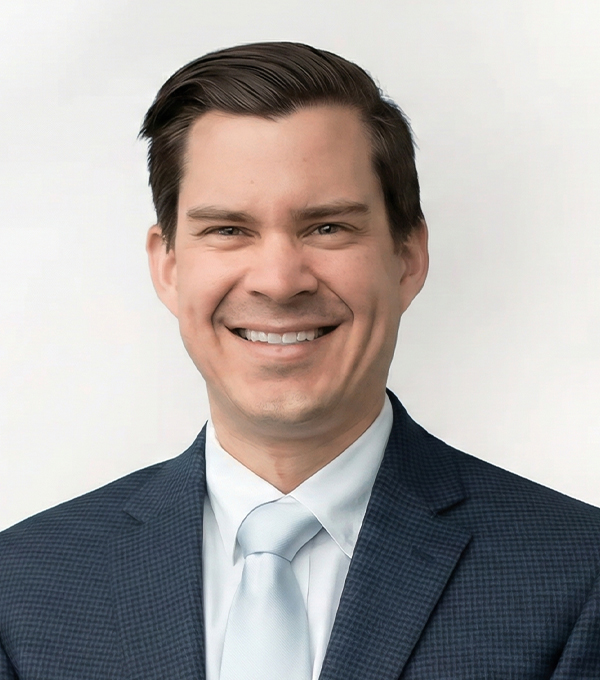
Kirk Lozada, MD, FACS
- Completed his fellowship at the University of Pennsylvania and has trained with the top Facial Plastic Surgeons in Philadelphia, New York, and New Jersey.
- Has traveled to Ica, Peru with Healing the Children on multiple occasions performing a high volume of cleft lip and palate surgery.
- Is currently a member of the American Academy of Facial Plastic & Reconstructive Surgery and has numerous publications and presentations in the field of facial plastic surgery.
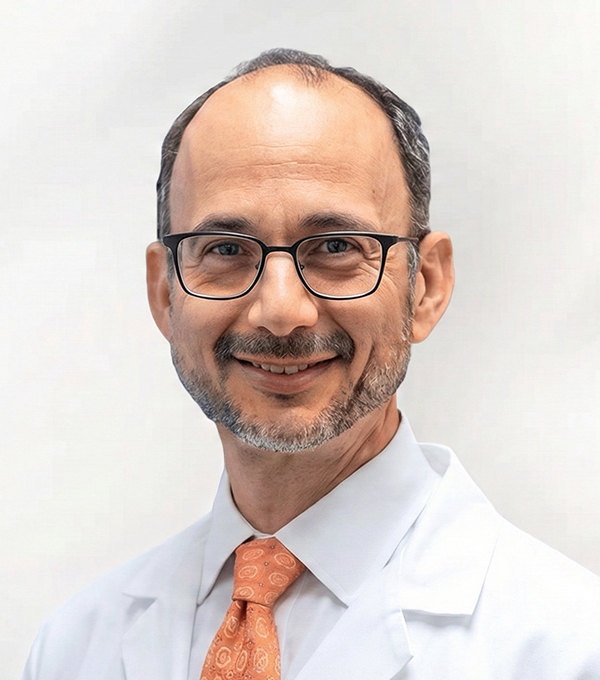
Daniel Becker, MD, FACS
- Board Certified by the American Board of Otolaryngology (ENT).
- Board Certified by the American Board of Facial Plastic and Reconstructive Surgery (ABFPRS).
- Fellow of the American College of Surgeons (FACS).
- Top-Rated by US News and World Report, Philadelphia Magazine, South Jersey Magazine, Castle-Connelly, and others.
- Read more about rhinoplasty specialist Dr. Becker’s credentials
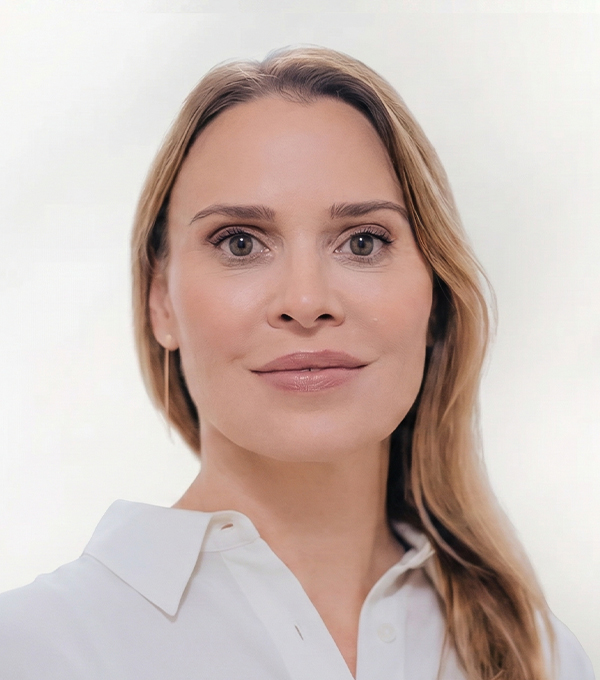
Nicole Schrader, MD, FACS
- She is a double board certified surgeon in Facial Plastic and Reconstructive Surgery and Otolaryngology & Head/Neck Surgery.
- Is a member of the American Academy of Facial Plastic and Reconstructive Surgery.
- Has over 20 years of experience, 15+ years in private practice and has performed hundreds of facelift surgeries.
- Dr. Schrader Recognized as Best Plastic Surgeon by Town Topics Readers’ Choice Awards.
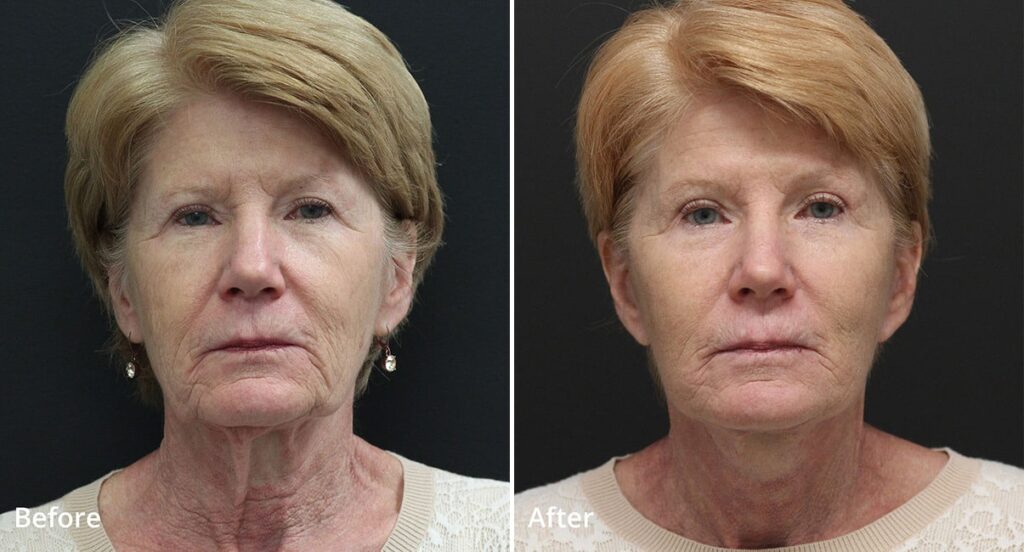
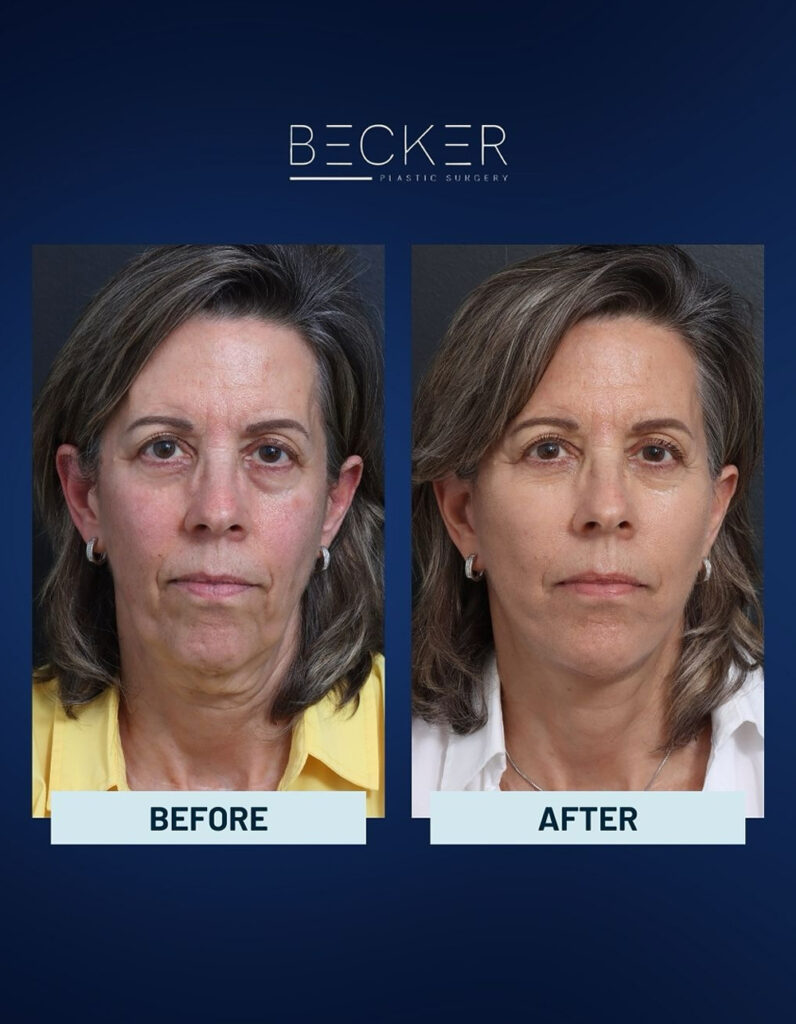
Before
After
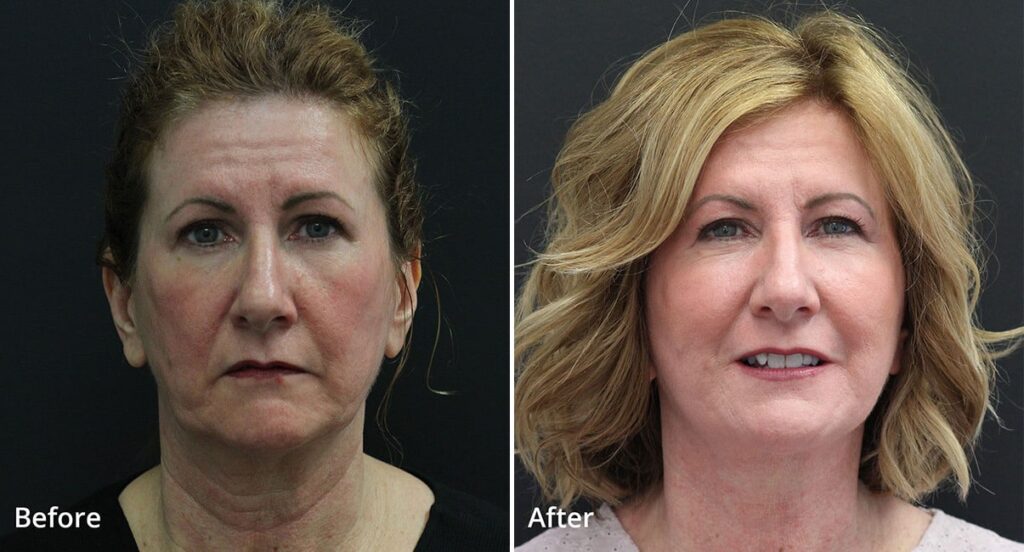
Before
After
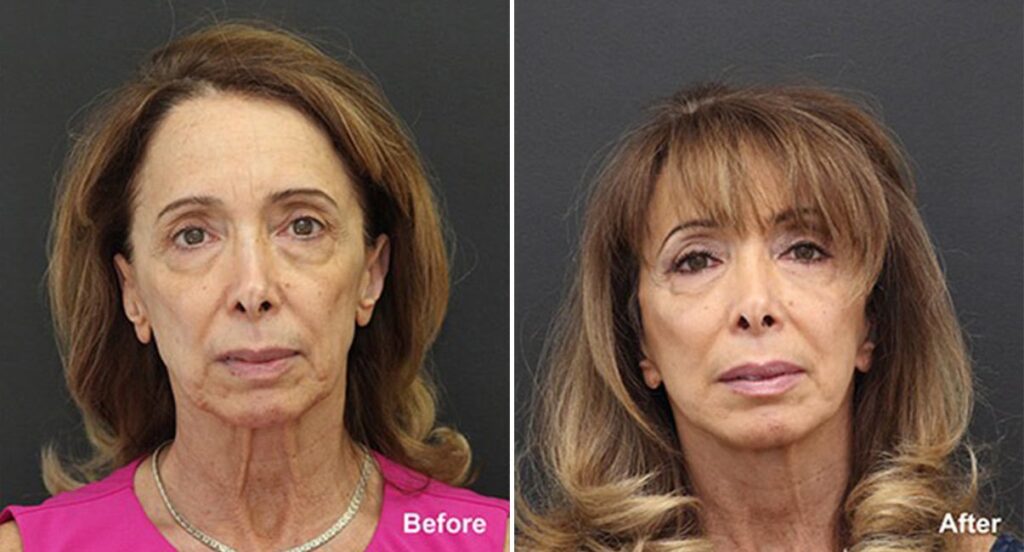
Before
After
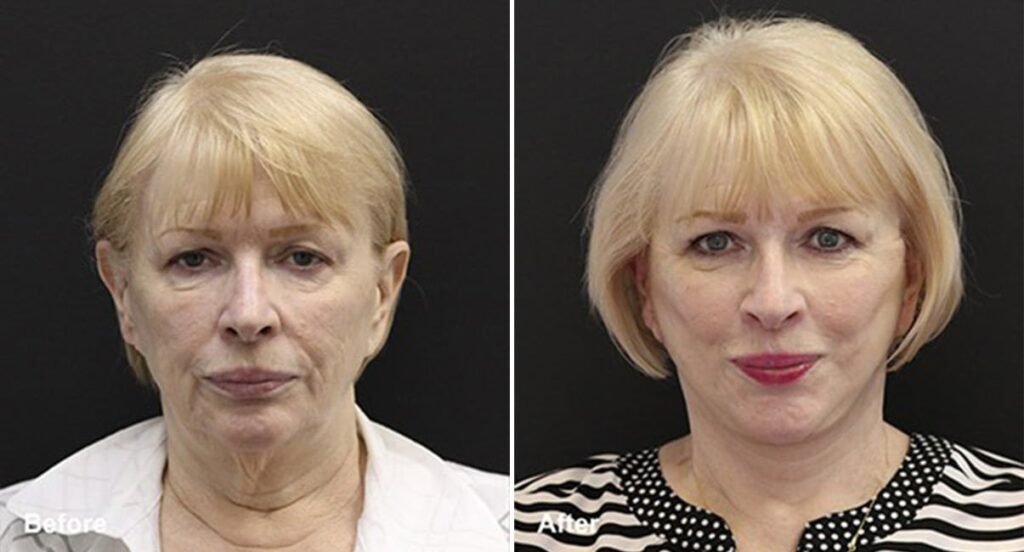
Before
After
Results of Facial Fat Grafting
At first, the injection site may appear puffy or overfilled, but that is just due to swelling. Once the swelling subsides, you will start to see the more permanent effects of the fat grafting procedure. Your final results typically emerge after three or four months.
As far as how long the results last, it can vary greatly from person to person. Everybody naturally absorbs fat at an average rate of approximately 10% per year. That means that there are patients who have been known to require a second procedure within six months in order to maintain their results.
That said, most people will find that the effects of the fat grafting process tend to be much more long-lasting than synthetic injectables, and, even if a touch-up or a second treatment is required as a patient age, the process is still considered semi-permanent.
Breanna Broderick · ★★★★★
Facial Fat Grafting Recovery
Be sure to have protein shakes and soft foods on hand once you leave the doctor’s office. This is necessary because, for up to one week after fat transference, the face will be delicate and need time to heal. It, as well as the donor site, will remain sore and possibly bruised for up to two weeks. Making cold compresses from gauze and applying them to both the extraction site and the face will ease pain and minimize swelling.
Same or Next Day
Typically, recovery from fat grafting is quicker and easier than similar cosmetic treatments. Usually, with an over-the-counter pain reliever, and a bit of rest, patients can engage in everyday activities on the same day as the surgery or the next day.
Up to 2 Weeks
The face, as well as the donor site, will remain sore and possibly bruised for up to two weeks.
3–4 Months
Once the swelling subsides, you will start to see the more permanent effects of the fat grafting procedure. Your final results typically emerge after three or four months.
Risks of Facial Fat Grafting
It is very rare for there to be any serious complications from a fat grafting procedure. The only real worries are minor hematomas, lumps, infections, calcification, and cystic changes.
Sometimes, fat grafting may produce asymmetrical results, as well as resorption or irregularities. In these situations, those particular facial areas can be corrected, though sometimes it will require just one more injection for a permanent improvement, or it may require a number of additional fat transfers for adequate and long-lasting correction.
In general, fat grafting is believed to be a low-risk procedure involving little to no discomfort for patients that is effective at correcting minor, surface-level, soft tissue imperfections. Fat that survives the grafting process is considered to be permanent.
Consultation for Facial Fat Grafting
Before you book your fat grafting session, you will need to meet with a board-certified plastic surgeon at our New Jersey or Philadelphia offices to discuss the fat transfer procedure and to ensure that the surgery is right for you. You will learn what you need to do before the surgery, any risks involved, and how to proceed during and after your recovery period.
What to Share With Your Surgeon
During this consultation, you should let the physician know about your habits, such as smoking cigarettes or drinking alcohol, and the types of medications that you take daily, including blood thinners. It is also crucial that you take the time to discuss your medical history with the doctor, just in case it includes information that affects your treatment plan.
Facial Fat Grafting Preparation
There are a few things that you will need to keep in mind prior to the fat grafting procedure.
Stop Nicotine
First, you will need to refrain from smoking, or from taking any replacement products containing nicotine in them, for at least one month before your procedure. Nicotine impedes the healing process and its use can cause complications during and after surgery.
Pause Blood Thinners
You should also stop taking aspirin, ibuprofen, naproxen, or any type of blood thinner two weeks before the fat grafting procedure. Avoid tanning, taking vitamin E, and using any herbal supplements during that time.
Day of the Procedure
On the day of the procedure, refrain from drinking all liquids for up to two hours, and eating for up to eight hours before the appointment. Be sure not to apply makeup, moisturizer, or body lotion to the areas where fat will be injected during the treatment. And, most importantly, be sure to arrive with another responsible adult who is available to drive you home from the physician’s office and stay with you while you recover.
Pick One of Our 5 Convenient Locations
If you live in the states of Pennsylvania or New Jersey, Becker Aesthetics & Plastic Surgery offers facial fat grafting among its services.
Facial Fat Grafting FAQs
Is regular liposuction done to harvest fat cells?
It’s a bit different. Liposuction these days is often performed using laser technology that, in essence, destroys fat cells. However, when it comes to fat grafting, the fat cells must remain viable in order to be injected into the face. That means a gentler method is required, so the cells are harvested manually. The tissue must preserve the regenerative cells, after all.
Does it matter where the fat is harvested from?
No, it doesn’t. There haven’t been any changes in viability observed from using different harvesting sites. The success of the transfer of cells harvested from different sites is also not significantly different.
Is there an advantage to using fat grafting over synthetic fillers?
When you use your own fat for rejuvenation, you will get a very natural-looking effect. Harvesting also allows the doctor a greater amount of material to work with, and it lasts much longer than synthetic fillers. Also, since the fat is harvested from the patient’s own body, there is absolutely no risk of rejection.
How long does the facial fat grafting procedure take?
Fat grafting is typically performed as an outpatient procedure under local anesthesia. The process involves two main steps: liposuction to harvest fat from a donor area (like the thighs or abdomen), followed by careful cleansing and preparation of the fat, then injection into the targeted facial areas. Because it’s minimally invasive, the full appointment is usually completed within a couple of hours, though your surgeon can give you a more precise estimate based on how many areas are being treated.
What is the recovery process like after facial fat grafting?
Recovery from facial fat grafting is generally quicker and easier than other cosmetic procedures. Both the injection sites and the donor area may be sore or bruised for up to two weeks, and cold compresses can help minimize swelling and discomfort. Most patients are back to everyday activities the same day or the next day, often with just an over-the-counter pain reliever. Initial swelling can make the face look puffy or overfilled at first, but final results typically emerge over three to four months as the swelling fully subsides.
Can facial fat grafting be combined with other cosmetic procedures?
Yes. Facial fat grafting is often performed alongside other cosmetic treatments, such as a facelift or eyelid surgery, to help patients achieve more comprehensive facial rejuvenation. Combining procedures can address multiple concerns in a single treatment plan, and your surgeon will discuss the best approach, timing, and recovery expectations for your specific goals during your consultation.
What Facial Fat Grafting office is near me?
If you live in the states of Pennsylvania or New Jersey, Becker Aesthetics & Plastic Surgery offers facial fat grafting among its services. For a full list of services, please visit our Locations page.
About the author
Daniel G. Becker, MD, FACS is a board-certified facial plastic surgeon and rhinoplasty specialist with extensive experience in cosmetic and functional nasal surgery. He is board certified by the American Board of Otolaryngology and the American Board of Facial Plastic and Reconstructive Surgery and has authored peer-reviewed publications on rhinoplasty and facial plastic surgery.
View full bio | Instagram
- Last Updated: 11/03/2026
- Published: 11/18/2021

Book your Facial Fat Grafting consultation in New Jersey & Philadelphia
Princeton · Philadelphia · Voorhees · Sewell · Yardley
