Experiencing breathing problems after a prior rhinoplasty can be confusing and frustrating, especially for patients who expected improved comfort after surgery. While some degree of congestion and swelling is normal during early healing, persistent difficulty breathing should not be ignored. In certain cases, functional issues related to nasal structure can develop or remain after surgery, affecting airflow and overall quality of life. In many situations, breathing problems that develop after a previous rhinoplasty are treated through revision rhinoplasty using functional airway reconstruction techniques.
At Becker Aesthetics & Plastic Surgery, functional rhinoplasty is used to address structural causes of nasal obstruction after cosmetic or prior nasal surgery. Under the care of Dr. Daniel Becker, patients receive evaluation and treatment that focuses on restoring proper nasal airflow while maintaining natural-looking results.

What Patients Should Know About Post-Rhinoplasty Breathing
- Temporary congestion is common during early healing.
- Persistent obstruction after resolution of swelling may point to a structural issue.
- Functional rhinoplasty focuses on breathing, not appearance alone.
- Revision surgery may be needed when airflow is compromised.
- Early evaluation improves comfort and long-term outcomes.
Is It Normal to Have Breathing Problems After Rhinoplasty?
It is normal to experience nasal congestion, pressure, and limited airflow in the weeks following rhinoplasty surgery. Swelling inside the nasal passages, healing tissue, and temporary inflammation can all restrict airflow during this phase of recovery.
However, breathing problems that persist beyond the expected healing phase may indicate something more than routine post-surgical swelling. When congestion does not improve over time or worsens, it may be a sign of nasal obstruction caused by changes in the nasal structure rather than temporary inflammation.

Temporary Swelling vs Structural Nasal Obstruction
Understanding the difference between short-term healing effects and true obstruction is important. Temporary congestion typically improves gradually over several weeks as swelling subsides and the nasal passages reopen.
Structural nasal obstruction, on the other hand, does not resolve on its own. Patients may notice ongoing difficulty breathing through one or both nostrils, especially during sleep, exercise, or at night. In some cases, symptoms can contribute to disrupted sleep or worsening sleep apnea.
Don’t Wait to Address Persistent Breathing Problems
Early evaluation at Becker Aesthetics & Plastic Surgery in Philadelphia can help prevent long-term discomfort and guide you toward the right solution.
Common Structural Causes of Persistent Breathing Difficulty
Several structural issues can lead to breathing problems after rhinoplasty, particularly if nasal support was altered during surgery.
Nasal Valve Narrowing or Collapse
The nasal valves are critical areas for airflow. If cartilage support is weakened or the area is narrowed, airflow can become restricted. This leads to a sensation of blockage even when the nose appears straight externally.
Loss of Cartilage Support
Rhinoplasty surgery sometimes involves reshaping or removing cartilage. If too much support is removed or cartilage is not properly reinforced, the nasal passages may collapse inward during breathing.
Residual Septal Deviation
A deviated septum that is not fully corrected during the initial procedure can continue to obstruct airflow. In some cases, deviation may worsen over time as healing progresses.
Turbinate Issues and Scar Tissue
Enlarged turbinates or internal scar tissue can also interfere with nasal airflow. Scar tissue may form unevenly and create asymmetries within the nasal passages that were not present before surgery.
When Breathing Issues After Rhinoplasty Should Be Evaluated
Breathing issues should be evaluated if symptoms persist months or even years after rhinoplasty or interfere with daily activities. Ongoing nasal congestion, mouth breathing, difficulty sleeping, or reduced exercise tolerance are signs that airflow may be compromised.
Ignoring these symptoms can lead to chronic discomfort, disrupted sleep, and reduced quality of life. Evaluation helps determine whether functional correction is needed or if continued healing is appropriate.
What Is Functional Rhinoplasty?
Functional rhinoplasty is a surgical approach designed to improve breathing by correcting internal nasal structures. Unlike cosmetic surgery, which focuses primarily on appearance, functional rhinoplasty addresses airflow, nasal support, and obstruction.
This procedure may involve reinforcing cartilage, correcting septal deviation, widening nasal valves, or adjusting internal structures to improve airflow through the nasal passages. Functional rhinoplasty is performed as part of revision rhinoplasty when breathing problems develop after prior nasal surgery.
Revision Rhinoplasty Patient Results
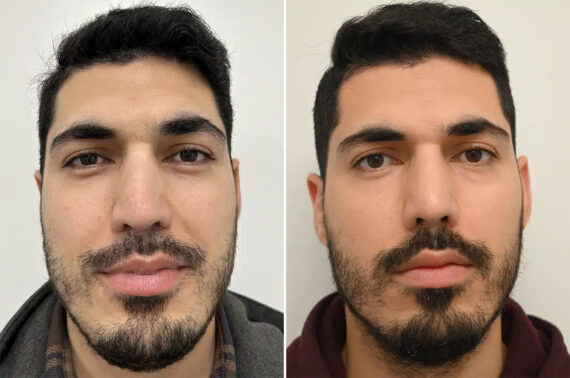
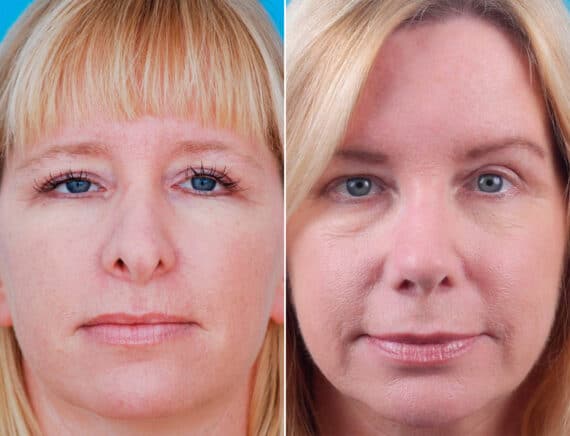
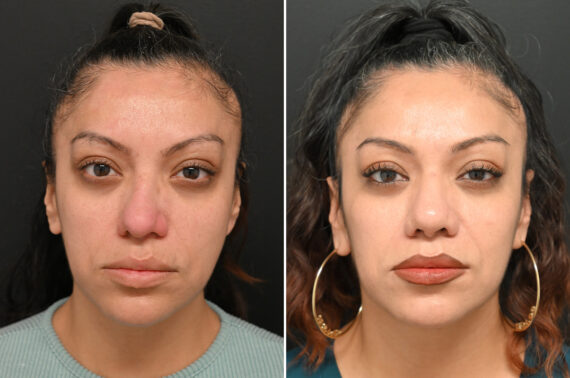
* All patients are unique and individual results may vary.
How Functional Rhinoplasty Can Improve Breathing After Surgery
Functional rhinoplasty restores airflow by addressing the anatomic causes of obstruction. Techniques may include cartilage grafting to support weakened areas, repositioning nasal structures, or correcting internal asymmetries.
While the primary goal is to improve breathing, surgeons also consider the external appearance of the nose. In many cases, functional improvements can be achieved without dramatically changing how the nose looks.
Revision Rhinoplasty Using Functional Techniques for Breathing Problems After Cosmetic Surgery
Revision rhinoplasty is often required when breathing difficulties persist after a previous rhinoplasty. Revision surgery is more complex due to scar tissue and altered anatomy, but it can successfully restore airflow when planned carefully.
Revision rhinoplasty may combine functional reconstruction with aesthetic refinement to address both breathing and appearance concerns. The focus is on stability, airflow, and long-term comfort.
Sleep Apnea, Airflow, and Quality of Life After Rhinoplasty
Breathing problems can affect sleep quality, particularly for patients who already struggle with snoring or sleep apnea. Restricted nasal airflow may worsen nighttime breathing difficulties and contribute to fatigue during the day.
Improving nasal airflow through functional rhinoplasty can enhance comfort during sleep and improve overall well-being, even when cosmetic appearance is not the primary concern.

Why Surgeon Expertise Matters for Functional Nasal Surgery
Correcting post-rhinoplasty breathing issues requires a deep understanding of nasal anatomy and airflow dynamics. Small structural changes can significantly affect breathing, which is why experience matters.
At Becker Aesthetics & Plastic Surgery, functional rhinoplasty is approached with careful assessment and surgical planning. The goal is to restore function while preserving or enhancing nasal appearance, avoiding overcorrection or unnecessary changes.
Why Patients in Philadelphia Choose Becker Aesthetics & Plastic Surgery
Patients seek care at Becker Aesthetics & Plastic Surgery for experience in both cosmetic and functional nasal surgery. Evaluation focuses on identifying the specific cause of obstruction and selecting techniques that support lasting improvement.
Treatment plans are individualized, and patients are guided through recovery expectations, timing, and realistic outcomes.
Don’t Wait to Address Breathing Problems
Chronic obstruction may lead to ongoing discomfort, sleep disruption, and reduced nasal function.
Early assessment after injury or trauma can provide options and may reduce the complexity of corrective surgery.
Schedule a Functional Rhinoplasty Consultation in Philadelphia, PA
If you are experiencing breathing problems after rhinoplasty, scheduling a consultation can help determine whether functional rhinoplasty or revision surgery is appropriate. Evaluation includes a detailed review of nasal anatomy, airflow, and prior surgical history.
Frequently Asked Questions About Breathing Problems After Rhinoplasty