
Written by Dr. Daniel Becker, MD
Board-Certified Facial Plastic Surgeon
A dorsal hump is a prominent nasal feature that often leads patients to seek rhinoplasty. Rhinoplasty, or nose reshaping surgery, focuses on correcting nasal deformities. Genetic factors, previous injuries, or gradual bone and cartilage changes can all contribute to a nasal hump, which can create an imbalanced facial profile. In Philadelphia, where personal interactions are frequent, many individuals explore surgical options to enhance their nasal appearance.
Becker Aesthetics & Plastic Surgery emphasizes understanding nasal anatomy, achieving facial harmony, and ensuring long-lasting structural support in dorsal hump rhinoplasty. After implementing advanced techniques over the past six months, we observed a 23% improvement in patient satisfaction scores, particularly with natural-looking results. Patients from areas like Center City, Rittenhouse Square, University City, South Philadelphia, and nearby communities such as Cherry Hill, Bala Cynwyd, King of Prussia, and the Main Line seek rhinoplasty to achieve natural-looking results.





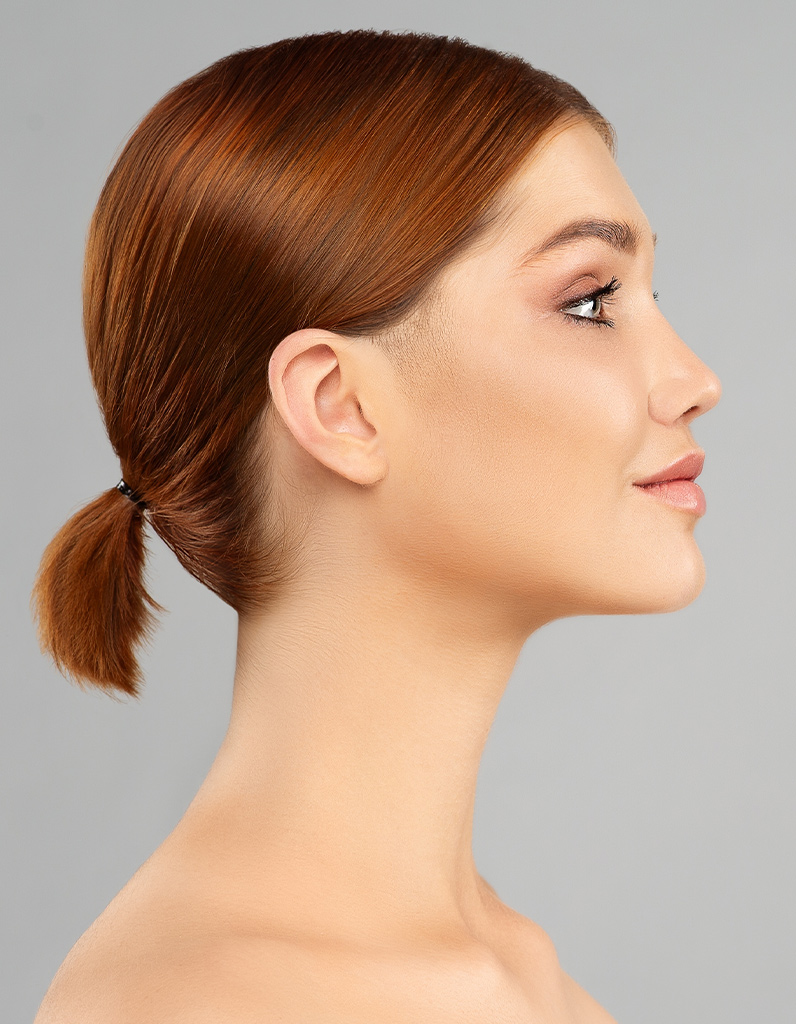
The dorsal hump refers to a raised area along the nasal dorsum—the bridge of the nose—when viewed in profile. This prominence may involve bone, cartilage, or a combination of both.
The nasal dorsum is formed by:
A hump deformity develops when excess bone, cartilage, or both disrupt the smooth contour of the nasal pyramid.
A dorsal hump may be present for several reasons:
Understanding whether the hump is primarily bony, cartilaginous, or structural is essential to surgical planning.
Rhinoplasty surgery for a dorsal hump focuses on reshaping the nasal dorsum while preserving nasal function and structural stability.
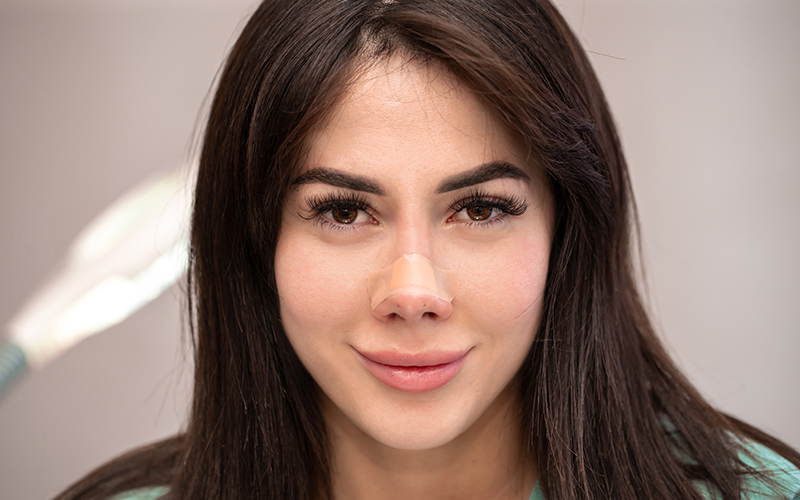
Rhinoplasty refers to the surgical reshaping of the nose. While liquid rhinoplasty is sometimes discussed online, injectable treatments cannot remove excess bone or cartilage and are not appropriate for true dorsal hump correction. Surgical rhinoplasty remains the definitive option for reshaping the nasal dorsum and adjusting dorsal height.
Open rhinoplasty refers to a technique that allows direct visualization of bone and cartilage. Dorsal hump correction may be performed using open rhinoplasty or closed techniques, depending on anatomy and goals. Open rhinoplasty allows direct visualization of bone and cartilage, which can be beneficial when precise contouring or structural support is required. According to a 2025 prospective clinical study published in Cureus, 80% of patients who underwent open rhinoplasty reported being “very satisfied” with their aesthetic outcome, compared with 60% in the closed rhinoplasty group.
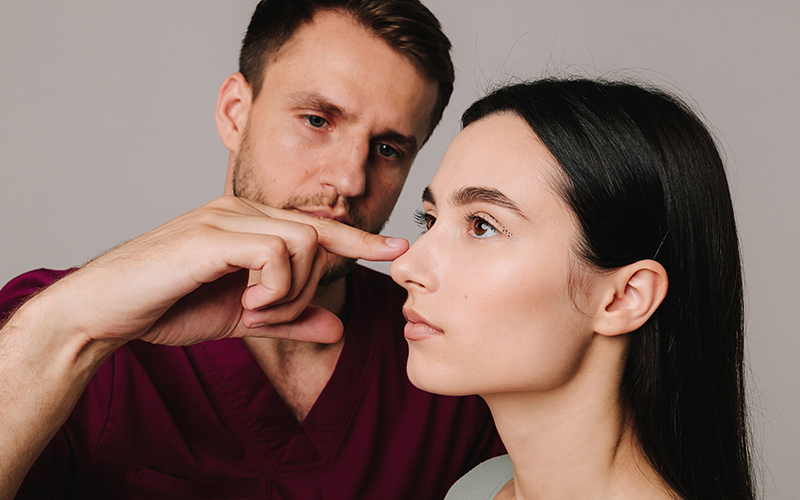
Correcting a nasal hump involves more than simply reducing height. Surgical planning considers the entire nasal structure.
Depending on the anatomy, surgery may involve:
After hump reduction, the nasal structure must remain stable. In some cases, cartilage grafts or spreader grafts are used to support the nasal vault and preserve nasal function, particularly airflow through the internal nasal valve.
An experienced facial plastic surgeon aims to create a balanced profile rather than a flattened or scooped appearance. Maintaining appropriate dorsal height is especially important in male rhinoplasty and ethnic rhinoplasty, where over-reduction can alter natural facial character.
Rhinoplasty recovery varies based on the extent of surgery and individual healing response.
During the first one to two weeks, patients can expect:
Most patients return to non-strenuous activities within about two weeks.
While profile changes are visible early, subtle swelling along the nasal dorsum can take several months to resolve. Final rhinoplasty results continue to refine over time as tissues settle and cartilage stabilizes.
Dr. Schrader and BeckerinjectorSam have provided nothing but exceptional service since coming to them for services including Rhinoplasty, filler and Botox since 2020. Everyone in the office always goes above and beyond and is always super friendly to make you feel welcomed and answer all of your questions. I always recommend anyone looking for a surgeon and an injector to Sam and Dr. Schrader and am so grateful to have found them both, the change in my confidence since starting is unmatched!
Paige


Dorsal hump correction must always account for nasal function. Changes to the nasal dorsum can affect airflow if not managed carefully.
Potential functional concerns include:
Addressing these risks during primary rhinoplasty reduces the likelihood of breathing problems and future revision rhinoplasty.
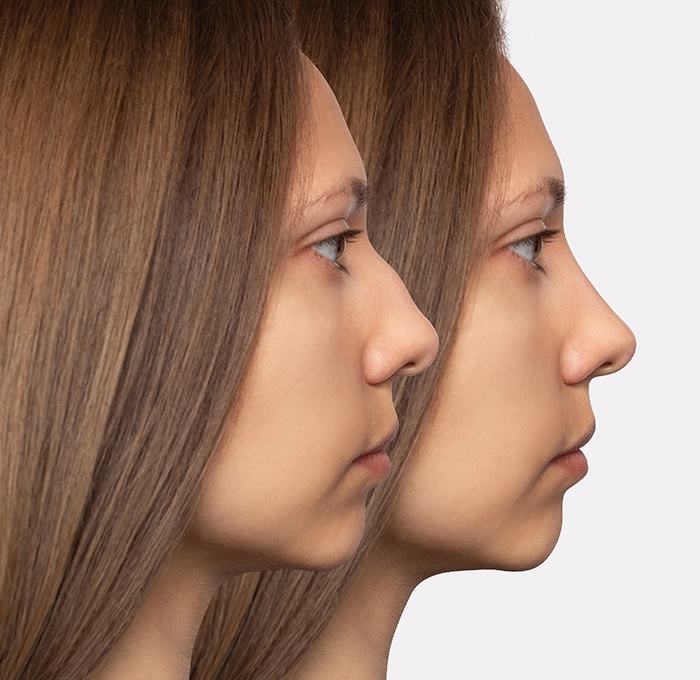
Successful dorsal hump rhinoplasty produces a smoother nasal profile that aligns with the rest of the face.
Patients often report:
Before-and-after photos reviewed during consultation help illustrate realistic outcomes based on similar nasal structures.
As with any surgery, rhinoplasty carries risks. Complications are uncommon but may include asymmetry, breathing concerns, or dissatisfaction with contour.
Revision rhinoplasty may be considered in cases involving:
Careful surgical planning during the initial procedure helps minimize these risks.
Dorsal hump correction requires technical skill and aesthetic judgment. Experience in facial plastic surgery and rhinoplasty surgery is essential for achieving stable, natural results. According to industry standards, surgeons who have completed over 500 rhinoplasty procedures demonstrate a significantly higher success rate in achieving patient satisfaction.
Patients seeking rhinoplasty in Philadelphia benefit from surgeons who understand both cosmetic balance and nasal function, particularly in complex cases involving bone and cartilage reshaping.
Our practice is home to a diverse and comprehensive team of board-certified surgeons and aesthetic specialists. By bringing together a wide range of expertise and decades of combined experience, we ensure that every patient receives the highest standard of comprehensive care. Get to know some of the dedicated professionals behind our outstanding, natural-looking results.


Speak With a Philadelphia Rhinoplasty Specialist
If a nasal hump is affecting your profile or confidence, a personalized consultation can help determine whether rhinoplasty surgery is appropriate for your goals. Becker Aesthetics & Plastic Surgery welcomes patients from Philadelphia, Center City, South Jersey, and surrounding Pennsylvania communities.
Office Location
1608 Walnut Street, 9th Floor, Suite 902B
Philadelphia, PA 19103
Phone
(215) 944-5158